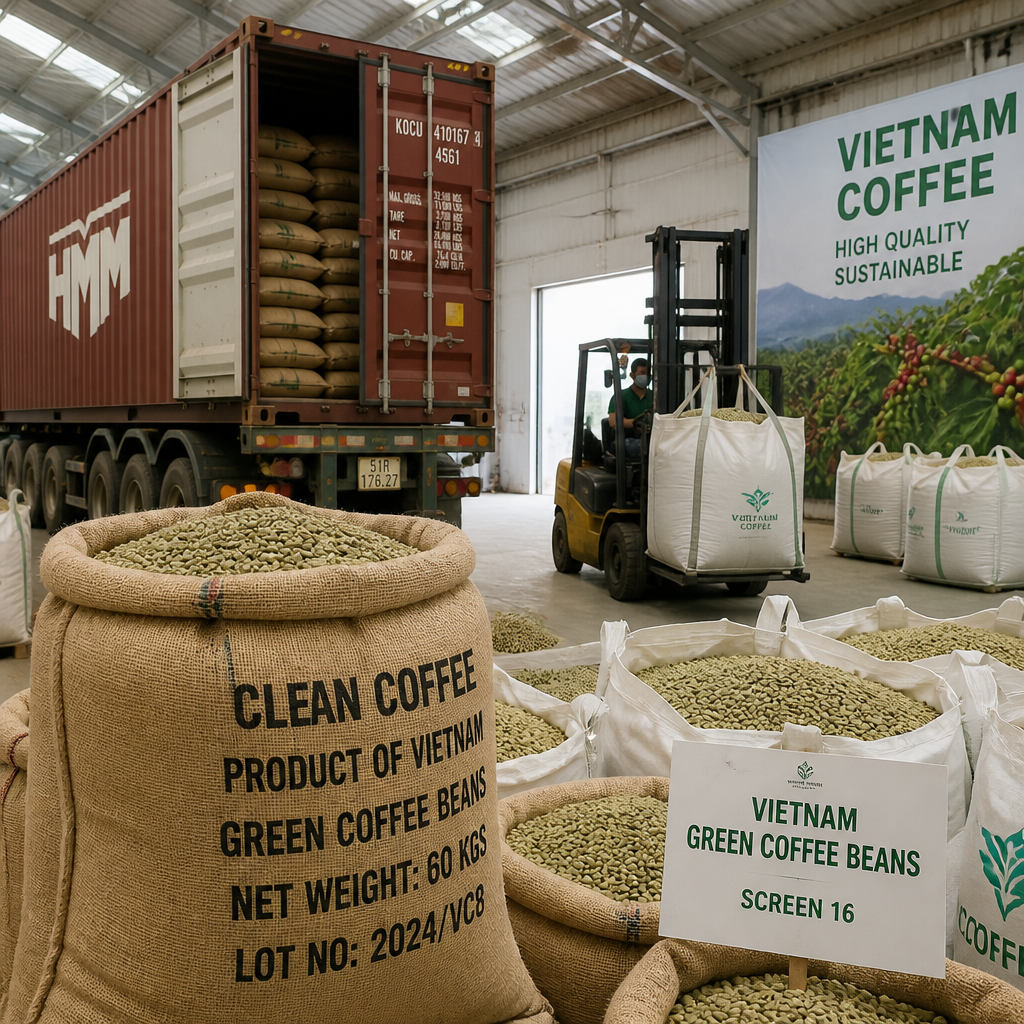
Vietnam Coffee Bean Exporter leads the global market with over 1.72 million tons exported in 2022, promising quality and sustainable growth in the coffee industry.
Vietnam stands as one of the world's largest coffee producers, renowned for its specific varieties and grades that define its international export market. The Vietnamese coffee industry is a powerhouse, contributing significantly to the global supply chain. In 2022, Vietnam exported over 1.72 million tons of coffee, underscoring its pivotal role in the coffee sector.
The country's coffee production is concentrated in several major regions, each contributing unique characteristics to the coffee profile. The Central Highlands, particularly the provinces of Dak Lak, Lam Dong, and Gia Lai, are the heart of Vietnam's coffee belt. These areas benefit from fertile basaltic soil and a favorable climate, making them ideal for coffee cultivation. The region's elevation and climate conditions are perfect for growing robusta beans, which account for over 90% of Vietnam's coffee output. Meanwhile, the northern provinces like Son La and Dien Bien are known for producing arabica beans, adding diversity to the country's coffee offerings.
Vietnamese coffee is diverse, with several varieties contributing to its rich tapestry. The robusta variety dominates the landscape, known for its strong flavor and higher caffeine content, making it a staple in instant coffee production. Arabica, though less prevalent, is gaining traction due to its milder taste and aromatic qualities. Additionally, specialty beans such as the Catimor and Bourbon varieties are emerging, catering to niche markets that appreciate unique flavors and profiles.
Quality and grading are crucial in the Vietnamese coffee industry, with beans classified based on size, shape, and defect count. The grading system ensures that only the best beans reach the export market, maintaining Vietnam’s reputation as a reliable coffee supplier. However, maintaining quality is not without its challenges. Factors such as inconsistent farming practices, climate change, and pest infestations pose significant risks to the quality of coffee beans. Farmers are often faced with the dilemma of balancing quantity with quality, as high-yield practices may sometimes compromise the latter.
Vietnam's coffee industry faces a pivotal moment, where sustaining quality amid increasing global demand is vital. Tackling these challenges is essential for Vietnamese coffee exporters to thrive in the competitive international market. By prioritizing sustainable practices and improving quality control measures, Vietnam can ensure its coffee remains a staple in households and cafes worldwide.
Envisioning a Bright Future for Vietnamese Coffee
The future of Vietnamese coffee is brimming with potential, poised to capture a larger share of the global market. With a burgeoning demand for coffee worldwide, Vietnam, as a leading coffee exporter, stands on the brink of a significant growth trajectory. The global coffee market is expected to reach a valuation of over by 2026, and Vietnam is strategically positioned to capitalize on this trend.
One of the key drivers for this optimistic outlook is the increased recognition of Vietnamese coffee quality. Historically overshadowed by coffee from Brazil and Colombia, Vietnamese coffee has started to garner international acclaim for its unique flavors and robust quality. This shift in perception is partly due to the concerted efforts of Vietnamese producers to improve cultivation practices and adhere to stringent quality standards. As a result, Vietnamese coffee is now not only seen as a bulk commodity but also as a quality product worthy of premium pricing.
Moreover, there are expanding opportunities in the premium coffee segments. Consumers around the globe are increasingly seeking specialty coffees, characterized by unique taste profiles and sustainable production methods. Vietnam's diverse coffee-growing regions, such as the Central Highlands, are capable of producing high-quality Arabica beans that meet the demands of this discerning market segment. By focusing on premium products, Vietnamese coffee can command higher prices and establish a niche in the competitive global coffee market.
The economic ripple effects of this growth extend beyond the coffee industry itself, bringing substantial economic benefits to local farmers and communities. As the demand for Vietnamese coffee increases, so too does the income potential for smallholder farmers. This can lead to improved living standards, better educational opportunities, and enhanced community infrastructure. In regions where coffee is the primary agricultural product, this economic uplift is particularly significant.
"Vietnam's coffee industry is not just about exporting beans; it's about exporting quality, culture, and opportunities for local communities." - Industry Expert
In summary, Vietnam's coffee industry is on a promising path, driven by global market growth, heightened quality recognition, and opportunities in premium segments. These factors collectively promise not just economic gains but also social and community development, painting a bright future for Vietnamese coffee on the global stage.
Steps to Achieve a Better Future
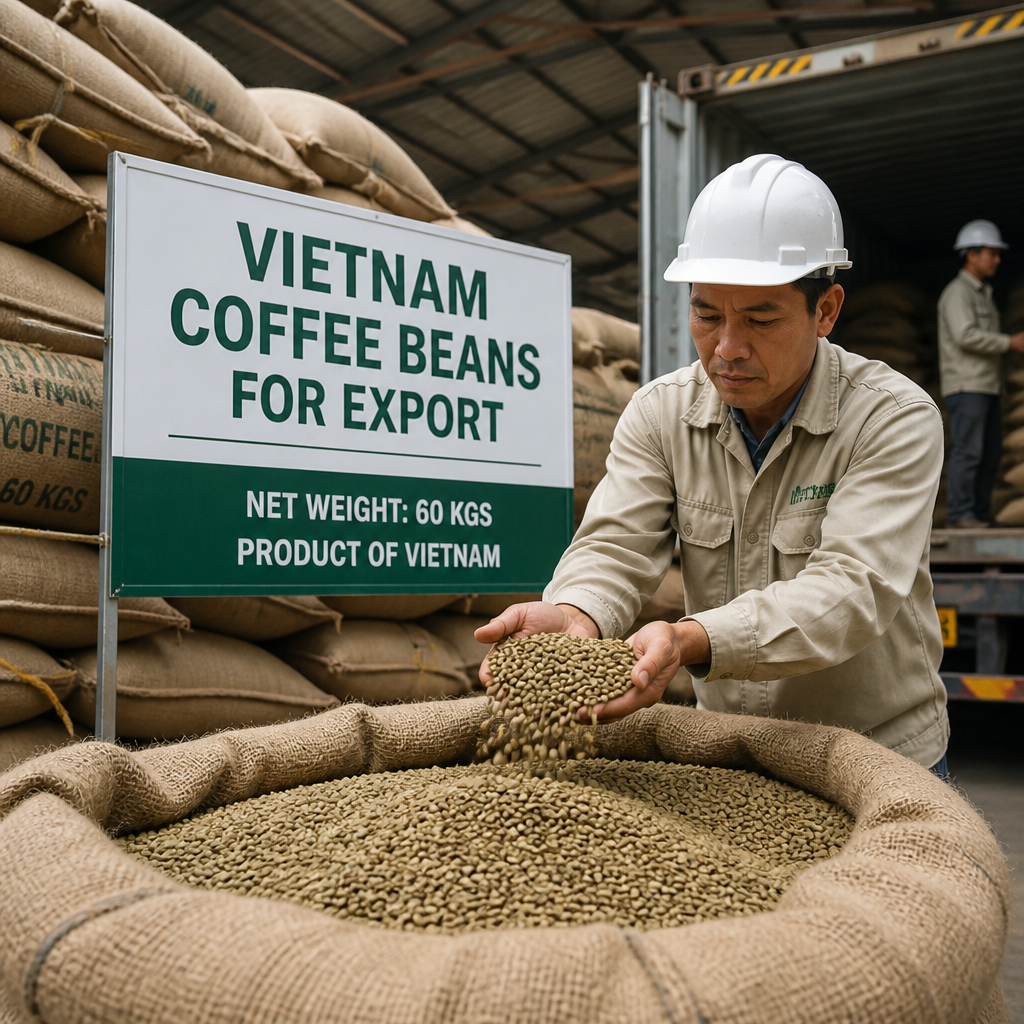
As Vietnam continues to solidify its position as a leading coffee bean exporter, several strategic steps are essential to ensure a sustainable and prosperous future for the industry. These steps not only aim to enhance the quality and reputation of Vietnamese coffee but also to secure economic benefits for local communities and farmers.
Improving Cultivation and Processing Techniques
Focusing on enhancing cultivation and processing techniques is crucial. By embracing advanced agricultural practices and technology, Vietnamese coffee farmers can boost yields and improve bean quality. For example, precision agriculture tools and data analytics can optimize water usage and soil health, resulting in more consistent and higher-quality coffee beans. Additionally, innovations like wet processing can enhance the beans' flavor profiles, making them more attractive in premium markets.
Standardizing Quality Control Measures
Competing globally requires standardizing quality control measures throughout production. This involves implementing rigorous testing protocols to ensure beans meet international standards. Establishing a comprehensive quality assurance system can reduce variability and build a reputation for reliable, high-quality coffee, which is vital for gaining international buyers' trust and securing long-term contracts.
Investing in Sustainable Packaging Solutions
In today's environmentally conscious market, investing in sustainable packaging solutions is not just a trend but a necessity. Utilizing biodegradable and recyclable materials can reduce the environmental impact of coffee exports and appeal to eco-friendly consumers. Companies like Trung Nguyen, a major player in the Vietnamese coffee industry, are already exploring such solutions to align with global sustainability goals.
Enhancing Export Procedures and Logistics
Efficient export procedures and logistics are critical for maintaining the competitiveness of Vietnamese coffee on the global stage. Streamlining customs processes and investing in modern logistics infrastructure can reduce lead times and costs, making Vietnamese coffee more attractive to international buyers. Enhancements in this area will also help in maintaining the freshness and quality of coffee during transit.
Building Strong International Trade Relationships
Building and nurturing strong international trade relationships are foundational to expanding Vietnam's coffee market. Engaging in trade missions and participating in international coffee expos can open new markets and strengthen existing partnerships. Collaborations with global coffee giants can also offer insights into market trends and consumer preferences, enabling Vietnamese exporters to tailor their offerings accordingly.
Marketing Strategies to Promote Vietnamese Coffee Globally
Effective marketing strategies are essential to elevate the global presence of Vietnamese coffee. Leveraging digital marketing platforms and social media can increase brand awareness and reach a broader audience. Highlighting the unique attributes of Vietnamese coffee, such as its distinct flavor profiles and cultural heritage, can differentiate it from competitors. Additionally, storytelling around the journey from farm to cup can create an emotional connection with consumers, enhancing brand loyalty.
"Vietnam's commitment to quality and sustainability can transform its coffee industry into a global powerhouse." - Industry Expert
With these strategic steps, Vietnam is well-positioned to not only maintain but enhance its status as a premier coffee bean exporter. By focusing on quality, sustainability, and innovation, the Vietnamese coffee industry can achieve a brighter, more prosperous future.