
Vietnam Coconut Exporter offers a diverse range of fresh coconuts, leveraging advanced cultivation and processing techniques to meet global demand efficiently.
Vietnam holds a significant position in the global coconut export market, yet it faces an array of challenges that must be addressed to maintain and enhance its competitive edge. Among the primary challenges is the diversity of fresh coconut varieties available. Vietnam produces a wide range of coconut types, each with distinct characteristics and uses. While this diversity is beneficial for meeting various market demands, it also complicates the process of standardization and consistency in exports. The need to cater to different consumer preferences can lead to logistical challenges in ensuring uniformity in quality and size, which are critical factors for international buyers.
Vietnam's growing regions, notably the Mekong Delta, are renowned for their fertile soil and favorable climate, ideal for coconut cultivation. However, this geographical concentration can create logistical challenges, especially when expanding production to meet international demand. The focus of coconut farming in specific areas may result in transportation and distribution bottlenecks, complicating the management of large-scale exports.
Ensuring that coconuts are sized according to industry standards is another significant challenge. International buyers typically have stringent requirements regarding the size and quality of coconuts, necessitating meticulous sorting and grading processes. This is further complicated by processing requirements that vary based on the intended use of the coconuts, whether for coconut water, oil, or dried products. Each of these products has specific quality standards that must be met to satisfy international buyers.
Effective packaging to preserve freshness is crucial in maintaining the quality of coconuts during transit. Packaging solutions must be robust enough to withstand long journeys while ensuring that the coconuts remain fresh upon arrival. This involves not only the choice of materials but also the design of packaging that facilitates easy handling and storage. Innovations in packaging, such as vacuum sealing and the use of eco-friendly materials, have been instrumental in extending the shelf life of coconuts and reducing environmental impact.
Moreover, adhering to container loading guidelines is vital to optimize space and prevent damage during transportation. This requires careful planning and execution, often involving specialized equipment and trained personnel to ensure compliance with international shipping standards. Proper container loading is essential to minimize transportation risks and ensure that coconuts arrive at their destination in optimal condition.
Finally, the minimum order quantity (MOQ) presents a challenge for exporters seeking to balance between meeting large-scale orders and accommodating smaller buyers. Setting the right MOQ is essential to maintain profitability while remaining attractive to a broad range of buyers. Exporters must strategically determine the MOQ to optimize their operations and cater to diverse market needs.
Consequences of Ignoring Export Standards
For any Vietnam Coconut Exporter, adhering to export standards is not merely a bureaucratic formality; it is a crucial determinant of success in the global market. Ignoring these standards can have serious repercussions, impacting both the immediate and long-term prospects of the business.
Firstly, failing to meet export standards can significantly affect market demand satisfaction. International buyers expect products that comply with specific quality and safety standards. If these expectations are not met, consumer trust can erode quickly, leading to decreased demand. This is particularly critical in a competitive market where alternatives are readily available.
Additionally, losing international buyers is a significant risk. Buyers have strict criteria and numerous suppliers to choose from. Deviating from expected standards can end business relationships. For instance, if a shipment of coconuts doesn't meet size or quality specifications, it might be rejected, causing financial losses and harming the exporter’s reputation.
Transportation risks also escalate when export standards are ignored. Proper packaging and container loading are essential to preserve the freshness and quality of coconuts during transit. Without adherence to these guidelines, products are more susceptible to spoilage, contamination, or damage, resulting in further financial loss and potential legal issues.
"The importance of meeting export standards cannot be overstated. It is the bedrock upon which international trade relationships are built and maintained."
In summary, ignoring export standards poses significant risks that can undermine a company's ability to compete in the global market. For Vietnam Coconut Exporters, maintaining strict compliance with these standards is imperative to ensure market demand satisfaction, retain international buyers, and mitigate transportation risks. It is a strategic necessity that secures long-term success and sustainability in the industry.
Vietnam's Strategic Approach to Coconut Export
Vietnam has strategically positioned itself as a key player in the global coconut market, with a strong concentration in the Mekong Delta. This region is not only the heart of Vietnam's coconut cultivation but also a powerhouse of agricultural innovation. The fertile soil and favorable climate conditions contribute significantly to the robust production capabilities, making it an ideal location for coconut farming.
One of the cornerstones of Vietnam's success in coconut exportation is its efficient cultivation techniques. Farmers in the Mekong Delta have adopted advanced agricultural practices that enhance yield and quality. These techniques include the use of high-yield coconut varieties and sustainable farming practices that ensure the health of the coconut palms and the surrounding ecosystem. As a result, Vietnam can maintain a year-round production cycle, ensuring a steady supply of fresh coconuts to meet international demand.
In addition to cultivation, Vietnam has made significant strides in the advancements in processing and packaging. Modern processing facilities have been established to ensure that coconuts are handled with care, preserving their freshness and quality. Innovations in packaging, such as vacuum sealing and eco-friendly materials, have further enhanced the market appeal of Vietnamese coconuts by extending shelf life and reducing environmental impact.
Furthermore, the country's improved logistics infrastructure plays a crucial role in its export strategy. Vietnam has invested in upgrading its transportation networks, including roads, ports, and storage facilities, to facilitate efficient and timely delivery of coconuts to international markets. This infrastructure development reduces transportation risks and costs, making Vietnamese coconuts more competitive globally.
Through these strategic approaches, Vietnam not only addresses the challenges in coconut exportation but also positions itself as a reliable and innovative Vietnam Coconut Exporter capable of meeting the growing demands of the global market.
Outcomes of Vietnam's Export Strategies
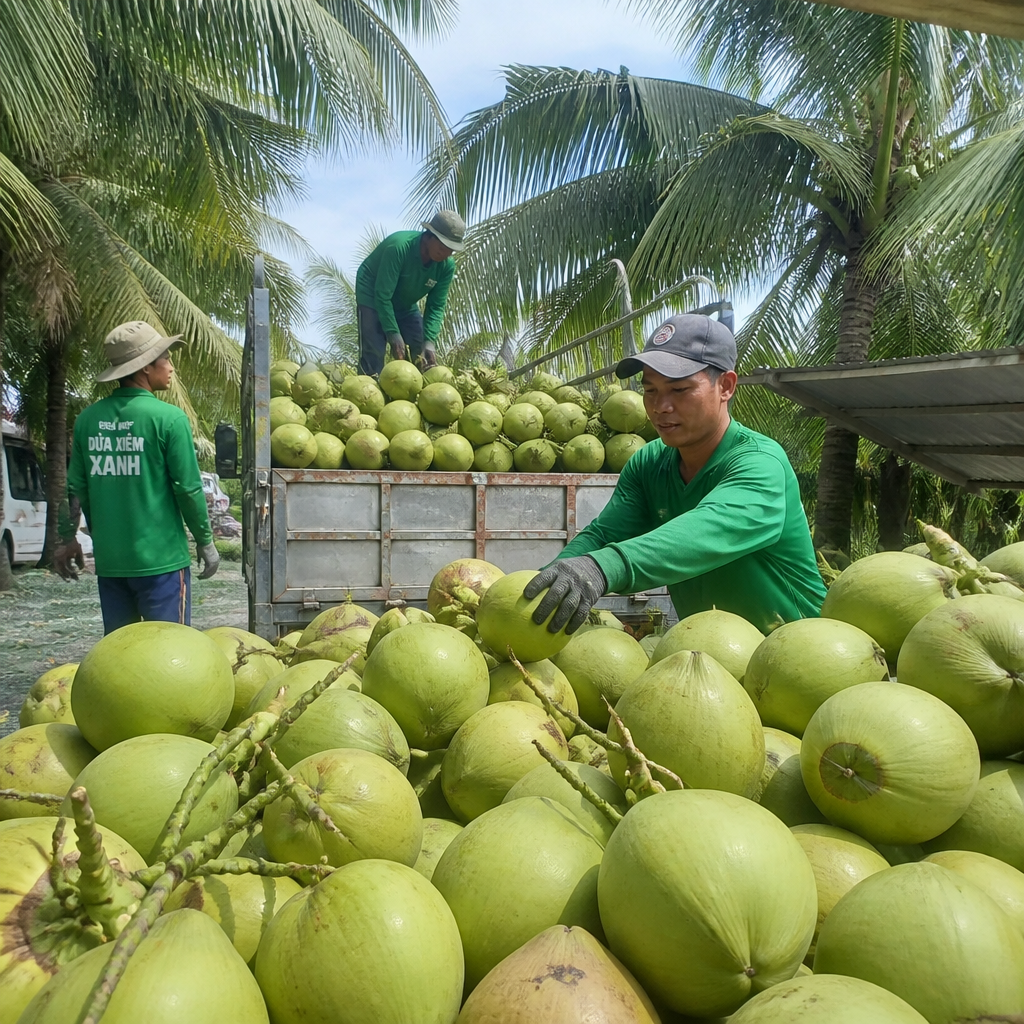
The strategic initiatives undertaken by Vietnam in the coconut export sector have yielded significant outcomes, positioning the country as a formidable player in the global market. A cornerstone of this success is the quality and consistency in supply that Vietnamese exporters have managed to maintain. This reliability has been achieved through concentrated efforts in the Mekong Delta, where optimal growing conditions and advanced agricultural techniques ensure a steady production of high-quality coconuts throughout the year.
Furthermore, Vietnam has capitalized on its cost-effective production processes to provide competitive pricing advantages. This strategy not only makes Vietnamese coconuts affordable but also increases their attractiveness to a wide range of global importers and distributors, who seek cost-efficient yet high-quality products. Offering competitive prices without sacrificing quality has been crucial in attracting international buyers.
Vietnam's coconut export strategies have also focused on making their products attractive to global importers and distributors. By investing in advancements in processing and packaging, Vietnamese exporters ensure that their coconuts meet international standards, which is crucial for maintaining the trust and interest of global partners. This strategic alignment with global market demands has made Vietnamese coconuts a preferred choice in various countries.
"Building long-term partnerships has been a strategic focus for Vietnamese exporters, creating a stable and mutually beneficial relationship with international buyers."
The emphasis on building long-term partnerships has been another significant outcome of Vietnam's export strategies. By fostering reliable and transparent relationships with buyers, Vietnamese exporters not only ensure repeat business but also strengthen their position in the global market. These partnerships are built on trust, consistent product quality, and competitive pricing, which collectively contribute to a sustainable business model.
Vietnam's Offer in the Global Market
Vietnam has carved out a significant niche in the global coconut market, largely due to its focus on producing a diverse array of coconut varieties. This diversity includes not only the popular fresh coconuts but also processed forms like coconut milk, oil, and desiccated coconut, catering to a wide range of consumer preferences worldwide. The ability to offer such variety gives Vietnam a substantial competitive edge, particularly over neighboring Thailand, which is traditionally known for its coconut exports.
One of the key players in this thriving industry is Fado Agri, a notable exporter that has made significant strides in bringing Vietnamese coconuts to the international stage. Fado Agri, along with other exporters, has capitalized on the country's strategic advantages to penetrate lucrative markets.
Vietnam's coconuts are in high demand in several major export destinations. Key markets include the UAE, Saudi Arabia, China, and the USA. These countries represent a diverse geographical spread, demonstrating Vietnam's ability to meet varied market demands and regulatory standards across different regions. For instance, the Middle Eastern countries like UAE and Saudi Arabia are known for their high consumption of coconut products, which aligns well with Vietnam's export capabilities.
The competitive edge over Thailand is not merely in variety but also in cost-effectiveness and logistical efficiency. Vietnam's advancements in logistics and processing technologies ensure that their coconut products reach international buyers with maintained quality and freshness, making them a preferred choice over other suppliers.
"Vietnam's strategic focus on diverse coconut varieties and market expansion has positioned it as a formidable player in the global coconut market, outpacing competitors like Thailand in key areas."
In conclusion, Vietnam's offer in the global coconut market is robust, characterized by a diverse product range, competitive pricing, and strategic market penetration. This comprehensive approach not only enhances Vietnam's standing as a top coconut exporter but also solidifies long-term partnerships with international buyers, ensuring a stable demand for its coconut products.
Invitation for Global Buyers
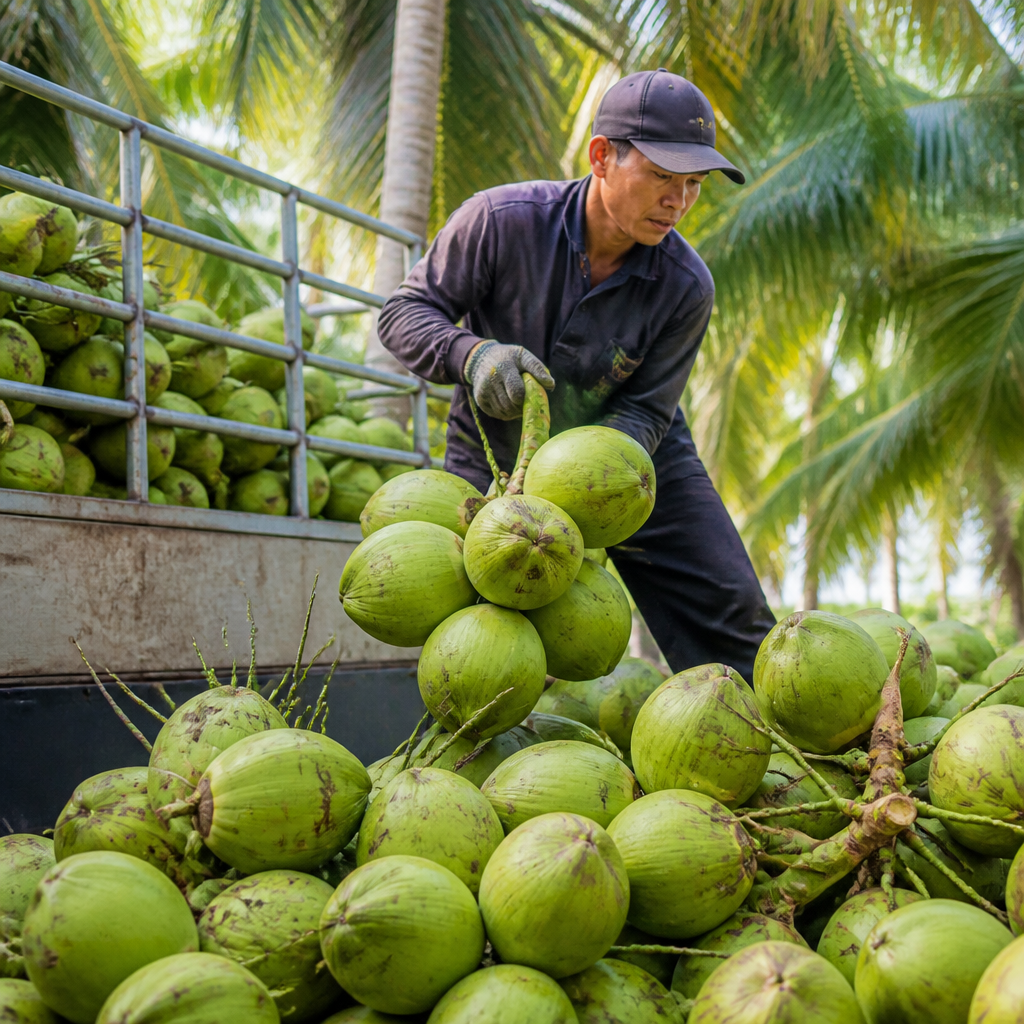
Vietnam's coconut industry offers an enticing invitation to global buyers, emphasizing transparency, flexibility, and partnership. Central to this invitation is a transparent 10-step supply chain, ensuring that every stage of the coconut journey—from farm to export—is carefully monitored and documented. This transparency not only guarantees buyers the quality and authenticity of the products but also fosters trust, a vital component in international trade.
Moreover, the ability to accommodate mixed orders sets Vietnam apart as a flexible and customer-centric supplier. This flexibility allows buyers to customize their orders according to specific market needs, whether it involves different coconut varieties or varying degrees of processing. Such adaptability is particularly beneficial for businesses looking to diversify their product offerings without the hassle of dealing with multiple suppliers.
Emphasizing the importance of building reliable sourcing partnerships, Vietnamese coconut exporters are not merely looking for transactional relationships. Instead, they focus on cultivating long-term partnerships that are mutually beneficial. This strategic approach ensures that buyers are not just purchasing coconuts but are also gaining a partner committed to supporting their business growth.
"Vietnam's commitment to transparency, flexibility, and partnership in coconut exportation makes it an ideal choice for global buyers seeking reliable and versatile suppliers."
In a competitive global market, these elements—transparency, flexibility, and partnership—provide Vietnam with a significant edge, making it a preferred destination for coconut importers worldwide.
Call for Engagement with Vietnamese Exporters
The Vietnamese coconut market presents a compelling opportunity for global buyers seeking a stable and quality supply of coconuts. With its strategic location in the Mekong Delta, Vietnam has become a powerhouse in coconut cultivation and exportation, offering a year-round production cycle that ensures consistency and reliability in supply. This makes Vietnam an attractive partner for those looking to secure a dependable source of fresh coconuts.
Vietnamese exporters have honed their processes to meet international standards, ensuring that their products not only meet but often exceed expectations in terms of quality. This focus on maintaining high standards is crucial for building trust and long-term relationships with international buyers. The advancements in processing and packaging, coupled with improved logistics infrastructure, further enhance the appeal of Vietnamese coconuts in the global market.
Potential buyers and importers are encouraged to explore the Vietnamese coconut market. This exploration allows them to access a supply chain that is both robust and adaptable to various market demands. The diverse range of coconut varieties from Vietnam, combined with competitive pricing advantages, positions Vietnamese exporters favorably against competitors like Thailand.
To facilitate this exploration, we invite global buyers to establish direct communication with Vietnamese exporters. This engagement is a crucial step towards understanding the unique offerings and capabilities of the Vietnamese coconut industry. By fostering open lines of communication, buyers can gain insights into the transparent supply chain processes and the potential for accommodating mixed orders, which are vital for customizing supply to meet specific market needs.
"Engaging with Vietnamese coconut exporters offers a gateway to a reliable and quality supply, backed by a transparent and efficient supply chain."
In conclusion, the Vietnamese coconut market is ripe with potential for those willing to engage and explore its offerings. Establishing a dialogue with exporters can pave the way for successful partnerships and a steady supply of high-quality coconuts, meeting the demands of global markets.







