Vietnam Cocoa Powder Exporter offers premium natural and alkalized cocoa powder, ideal for baking and beverages, ensuring quality and customization for diverse culinary needs.
Cocoa powder is an essential ingredient in a vast array of culinary creations, ranging from delectable desserts to comforting hot drinks. Understanding the different types of cocoa powder is crucial for anyone aiming to achieve specific flavors and textures in their recipes. The market is primarily dominated by two varieties: natural cocoa powder and alkalized cocoa powder, commonly referred to as Dutch-processed cocoa powder. Each type possesses unique characteristics that influence their use in various culinary contexts.
Understanding Cocoa Powder Varieties
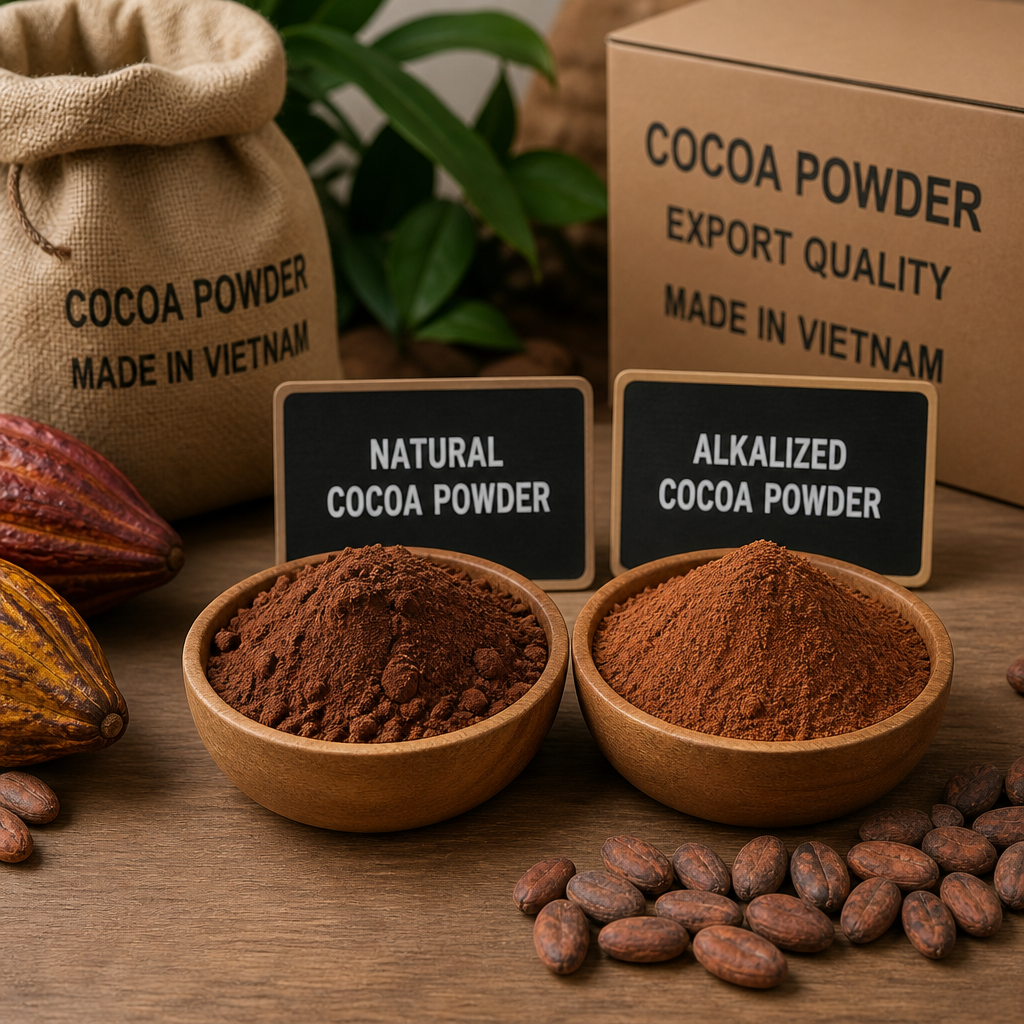
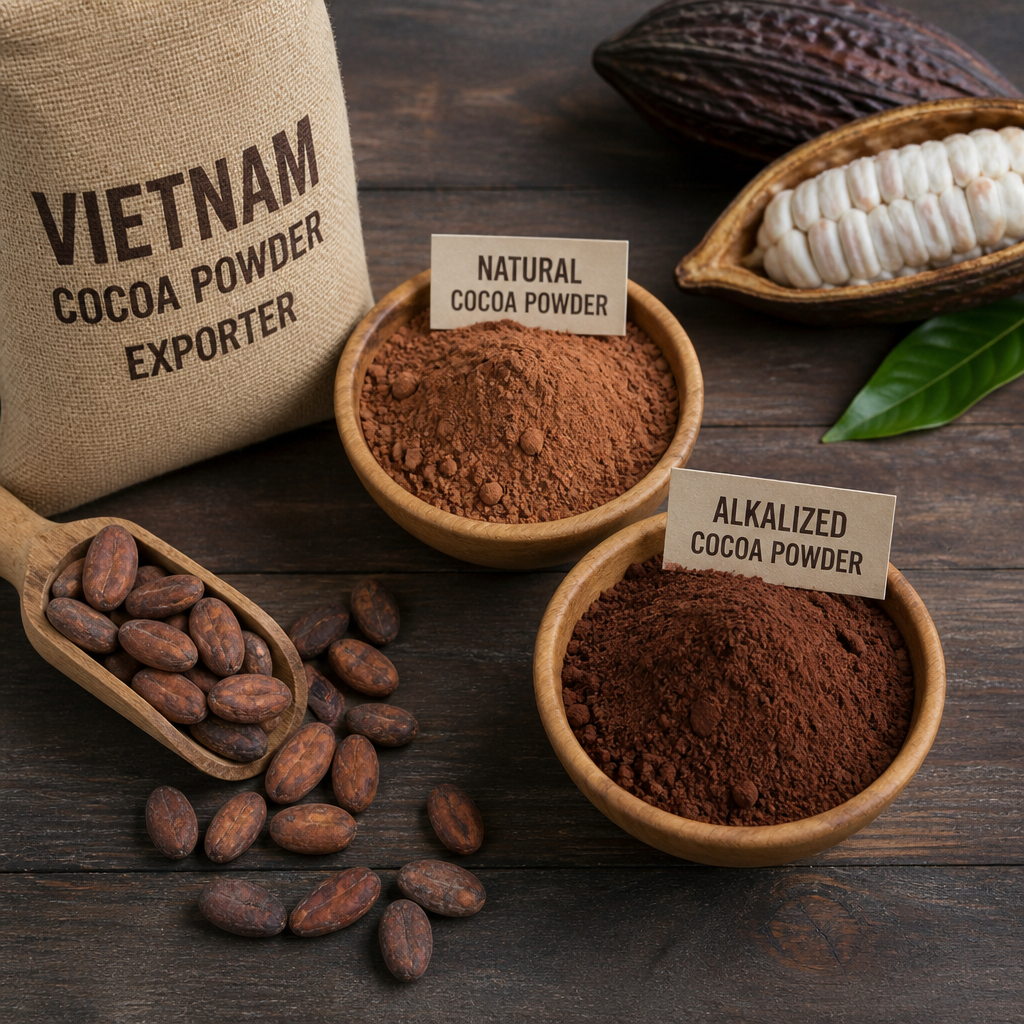
The primary distinction between natural and alkalized cocoa powder lies in their processing and resultant properties. Natural cocoa powder is made from cocoa beans that are roasted and then ground into a fine powder. It retains its natural acidity, which gives it a lighter color and a strong, robust chocolate flavor. This makes it particularly suitable for recipes that require a pronounced chocolate taste, such as rich brownies or dense chocolate cakes. The acidity of natural cocoa powder also reacts with baking soda, a common leavening agent, which helps baked goods rise and achieve a light, airy texture.
Conversely, alkalized cocoa powder undergoes treatment with an alkaline solution to neutralize its natural acidity. This process not only darkens the color of the cocoa powder but also results in a milder, smoother flavor profile. The reduction in acidity allows it to blend more seamlessly into liquids, making it an ideal choice for beverages like hot cocoa or chocolate-flavored ice creams. The alkalizing process enhances the solubility of the cocoa powder, providing a smoother texture in the final product and making it a preferred option for many confectionery applications.
Choosing between natural and alkalized cocoa powder goes beyond personal preference; it's a strategic decision influenced by the desired outcome of the recipe. Recognizing the differences in color, acidity, and flavor is crucial, as these factors can significantly affect the taste and appearance of the final product. Therefore, chefs and bakers must carefully select the appropriate type to meet their specific needs.
Key Attributes of Cocoa Powder
Several key attributes influence the quality and application of cocoa powder in various industries. These attributes include fat content, mesh size, and packaging considerations, each playing a vital role in determining the cocoa powder's suitability for different culinary uses.
Fat Content Variation and Its Effects
The fat content in cocoa powder can vary significantly, typically ranging from 10% to 24%. Higher fat content in cocoa powder contributes to a richer flavor and smoother texture, making it ideal for baking and confectionery applications where a decadent taste is desired. Conversely, cocoa powders with lower fat content are often preferred by health-conscious consumers and in recipes that require a lighter flavor profile. For example, a higher fat content is advantageous in creating creamy, luxurious desserts, while lower fat cocoa powder might be used in low-calorie recipes to maintain a balance between taste and health benefits.
Mesh Size and Blending Properties
Mesh size refers to the fineness of the cocoa powder, which affects its blending properties. A finer mesh size ensures better solubility and smoothness when mixed with other ingredients, making it suitable for applications like hot beverages and fine chocolates. On the other hand, a coarser cocoa powder might be more suitable for specific baking applications where a more robust texture is preferred. The choice of mesh size can significantly impact the consistency and mouthfeel of the final product, influencing consumer preference. For instance, a beverage manufacturer might opt for a finer mesh size to achieve a silky smooth hot chocolate, while a bakery might choose a coarser grind for a rustic chocolate cake texture.
Packaging Considerations for Quality Maintenance
Proper packaging is crucial to maintaining the quality of cocoa powder during storage and transportation. Cocoa powder is highly sensitive to environmental factors such as moisture, light, and air, which can degrade its quality and flavor over time. Therefore, using airtight, light-resistant packaging materials is essential to preserve its freshness and extend its shelf life. For instance, many exporters use vacuum-sealed bags or containers with oxygen absorbers to protect the powder from oxidation and moisture absorption, ensuring that the cocoa powder reaches consumers in optimal condition.
"The choice of packaging can make or break the quality of cocoa powder during transit and storage."
Applications and Industry Needs
Cocoa powder plays an integral role in various industries, notably in baking, beverages, and confectionery. Its versatility makes it a staple ingredient in numerous recipes and products, ranging from decadent cakes and cookies to rich hot chocolates and gourmet chocolates. Its ability to enhance flavor and provide a rich, deep color makes it indispensable in these sectors.
In the baking industry, cocoa powder is a key ingredient in creating moist, flavorful cakes and brownies. In beverages, it is used to craft everything from simple hot cocoa to complex mocha lattes. Confectionery producers rely on cocoa powder to deliver the classic chocolate taste that consumers love. The importance of OEM (Original Equipment Manufacturer) and bulk supply options cannot be overstated in the cocoa powder market. Large-scale manufacturers and small businesses alike benefit from these supply options, allowing them to meet production demands efficiently.
Vietnam Cocoa Powder Exporters, for instance, often provide bulk supply options that cater to businesses requiring large quantities of cocoa powder for continuous production. This approach not only ensures a steady supply but also offers cost advantages, as bulk purchasing typically reduces the per-unit cost. Moreover, OEM services enable businesses to customize cocoa powder products according to their specific requirements, ensuring that the end products meet their unique quality and taste standards.
Another vital aspect of meeting business production needs is customization. Businesses frequently need cocoa powder tailored to specific applications, such as flavor profile, color intensity, or fat content. This customization enables manufacturers to adjust these variables for different product lines, ensuring consistency and quality across various consumer goods. For instance, a beverage company might require a cocoa powder with a specific mesh size for smooth blending in drinks, while a confectionery brand might seek a particular fat content to achieve the desired mouthfeel in chocolates.
Evaluating Cocoa Powder Suppliers
When selecting a cocoa powder supplier, several critical factors need thorough evaluation to ensure the quality and suitability of the product for various applications. Among these, the verification of fat content, color, and mesh size stands out as essential parameters.
- Fat Content: The fat content in cocoa powder significantly affects its flavor, richness, and suitability for different culinary applications. For instance, a higher fat content can enhance the taste and texture of baked goods and confections. Therefore, verifying the fat content is crucial for manufacturers aiming to meet specific taste and quality standards.
- Color: The color of cocoa powder can vary from light brown to a deep, dark hue, particularly depending on whether it is natural or alkalized. This color variation can influence the appearance of the final product, making it an important consideration for products where visual appeal is key.
- Mesh Size: Mesh size impacts the blending properties of cocoa powder. A finer mesh size can lead to a smoother texture in beverages and desserts, while a coarser mesh might be preferred for certain baking applications. Ensuring the correct mesh size alignment with product needs is vital for consistency and quality.
Another important aspect is consultation with manufacturers regarding packaging options. The packaging of cocoa powder is not merely a logistical concern but a critical factor in maintaining its freshness and quality. Packaging solutions must protect against moisture, light, and air exposure, which can degrade the product over time. Collaborating with manufacturers can help identify the most effective packaging strategies, such as vacuum sealing or the use of airtight containers, to preserve the cocoa powder's integrity during transportation and storage.
Vietnamese cocoa powder exporters play a pivotal role in the global supply chain. As a country with a growing reputation for quality cocoa production, Vietnam offers a range of cocoa powder products that cater to diverse market needs. Vietnamese exporters are known for their ability to provide both natural and alkalized cocoa powders, meeting international standards and offering competitive pricing. Their expertise in customization and bulk supply options makes them a valuable partner for businesses looking to source high-quality cocoa powder efficiently.
"Vietnam Cocoa Powder Exporter continues to set the standard in providing versatile and high-quality cocoa powder options that meet the needs of various industries worldwide."
Making Informed Choices
In the realm of cocoa powder production and supply, making informed choices is crucial for businesses aiming to maximize both quality and cost-effectiveness. Selecting the right type of cocoa powder—whether natural or alkalized—is not merely a matter of preference but a strategic decision that can significantly impact the final product.
Deciding between natural and alkalized cocoa powder is crucial for specific applications. Natural cocoa powder, with its lighter color and higher acidity, is perfect for recipes needing a pronounced chocolate flavor and tangy taste. Conversely, alkalized cocoa powder, treated to reduce acidity, provides a milder flavor and richer color, making it suitable for various confectioneries and beverages. By understanding these differences, manufacturers can tailor their products to meet consumer expectations and industry standards.
For large-scale operations, the balance between cost-effectiveness and quality assurance becomes a critical consideration. Bulk purchasing of cocoa powder can significantly reduce costs per unit, but it is essential to ensure that the quality remains uncompromised. This is where the role of a reliable Vietnam Cocoa Powder Exporter becomes indispensable. By partnering with reputable suppliers, businesses can secure high-quality cocoa powder that meets their specific needs while optimizing their production costs.
To navigate the complexities of cocoa powder selection and procurement, consulting industry reports is highly recommended. These reports provide detailed insights into market trends, quality benchmarks, and supplier evaluations, enabling businesses to make data-driven decisions. Such resources are invaluable for understanding the broader market dynamics and aligning purchasing strategies with industry best practices.
"Selecting the right type of cocoa powder is not just a choice, it's a strategic decision that influences both the flavor profile and economic efficiency of the final product."
In conclusion, making informed choices in cocoa powder selection involves a nuanced understanding of product types, cost considerations, and market insights. By leveraging these elements, businesses can enhance their product offerings and maintain a competitive edge in the ever-evolving cocoa industry.