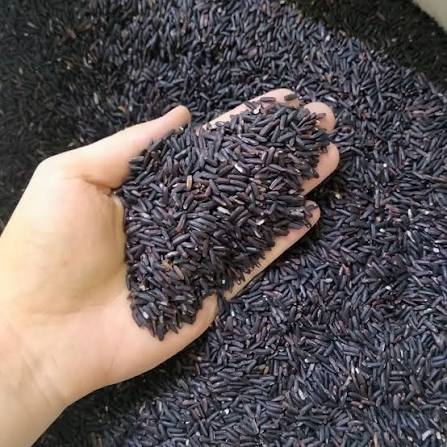
Vietnam Cocoa Nib Exporter offers premium cocoa nibs with high purity and rich flavor, perfect for enhancing quality in chocolate, bakery, and health-food products.
Introduction to Cocoa Nibs
Cocoa nibs are small, crushed pieces of cacao beans derived from the Theobroma cacao tree. These nibs represent one of the purest forms of chocolate, offering a robust chocolate flavor without any added sugars or fats. Historically, cocoa nibs were highly valued by ancient Mesoamerican cultures for their rich taste and health benefits. They were often used as currency and in ceremonial drinks, highlighting their significance in these societies. Today, cocoa nibs continue to hold a significant place in the modern food industry. They are extensively used by manufacturers in the chocolate, bakery, cereal, and health-food sectors. Their versatility and nutritional value make them a staple ingredient in various food products, appealing to both health-conscious consumers and culinary professionals.
Specifications of Cocoa Nibs
Understanding the detailed specifications of cocoa nibs is crucial for manufacturers to ensure product consistency and quality. These specifications are vital for industries that rely on cocoa nibs to enhance their products, such as chocolate, bakery, cereal, and health-food sectors.
- Size and Shape: Cocoa nibs typically range from 1 to 3 millimeters in size. This size range is optimal for blending into various products without significantly altering texture, providing a consistent chocolate experience.
- Moisture Content: Maintaining a moisture content below 5% is essential to prevent mold and ensure a longer shelf life. This low moisture level helps preserve the nibs' natural flavor and prevents spoilage.
- Purity: High purity levels are required, with minimal presence of shell fragments or foreign matter, ensuring a clean and consistent product. This purity is critical for maintaining the quality and taste of the final product.
Adhering to quality standards and certifications is another critical aspect. Cocoa nibs must meet specific industry standards such as ISO 22000 for food safety management or USDA Organic certification, which guarantees the absence of synthetic additives and promotes eco-friendly practices. According to industry reports, these certifications not only affirm the quality but also enhance the marketability of the cocoa nibs, making them more attractive to discerning consumers. For example, the Vietnam Cocoa Nib Exporter ensures all its products are ISO 22000 and USDA Organic certified, providing confidence to manufacturers worldwide.
The impact of cocoa nibs on product flavor and texture cannot be understated. Known for their deep, rich chocolate flavor, cocoa nibs add a distinct taste that can elevate the sensory experience of any product. Their crunchy texture also contributes to the mouthfeel, making them a preferred choice for manufacturers aiming to add a unique twist to their offerings.
By understanding these specifications, manufacturers can make informed decisions, ensuring that the cocoa nibs they source meet the highest standards of quality and flavor, ultimately leading to superior end products.
Processing Methods
The processing of cocoa nibs is an intricate procedure that significantly impacts the quality and characteristics of the final product. The typical processing techniques employed by a Vietnam Cocoa Nib Exporter involve several key stages, each designed to preserve and enhance the natural flavors and nutritional benefits of the cocoa beans.
- Fermentation: The initial step involves fermenting cocoa beans, which is crucial for developing the rich flavors and reducing bitterness. This process can take several days and requires careful monitoring to ensure optimal conditions. Fermentation is essential for developing the complex flavors associated with high-quality cocoa nibs.
- Drying: Post-fermentation, the beans are dried to reduce moisture content, which is essential for preventing mold growth and ensuring a longer shelf life. Proper drying is crucial to maintain the nibs' flavor and prevent spoilage.
- Roasting: This step further enhances the flavor profile of the cocoa nibs. The temperature and duration of roasting vary depending on the desired flavor intensity and the end use of the nibs. Roasting is a critical step that can significantly influence the taste and aroma of the nibs.
- Cracking and Winnowing: After roasting, the beans are cracked to separate the nibs from the husks. Winnowing ensures that only the nibs are retained, which are then ready for further processing or packaging. This step is vital for ensuring the purity of the final product.
These processing techniques can vary slightly depending on the intended end use of the cocoa nibs. For instance, nibs destined for gourmet chocolate production might undergo a different roasting profile compared to those used in health-food products, where the focus might be on preserving maximum nutritional content.
Maintaining quality during processing is of paramount importance. Any deviation in the process can lead to significant changes in flavor, texture, and nutritional value. For example, inadequate fermentation or improper drying can result in off-flavors or spoilage, which would undermine the quality standards expected by manufacturers. Therefore, a meticulous approach to processing not only ensures that the cocoa nibs meet the required specifications but also enhances their appeal in the competitive food industry.
The processing methods employed by a Vietnam Cocoa Nib Exporter are crucial in defining the quality and applicability of the cocoa nibs across various sectors, from chocolate making to health-conscious food products.
Packaging of Cocoa Nibs
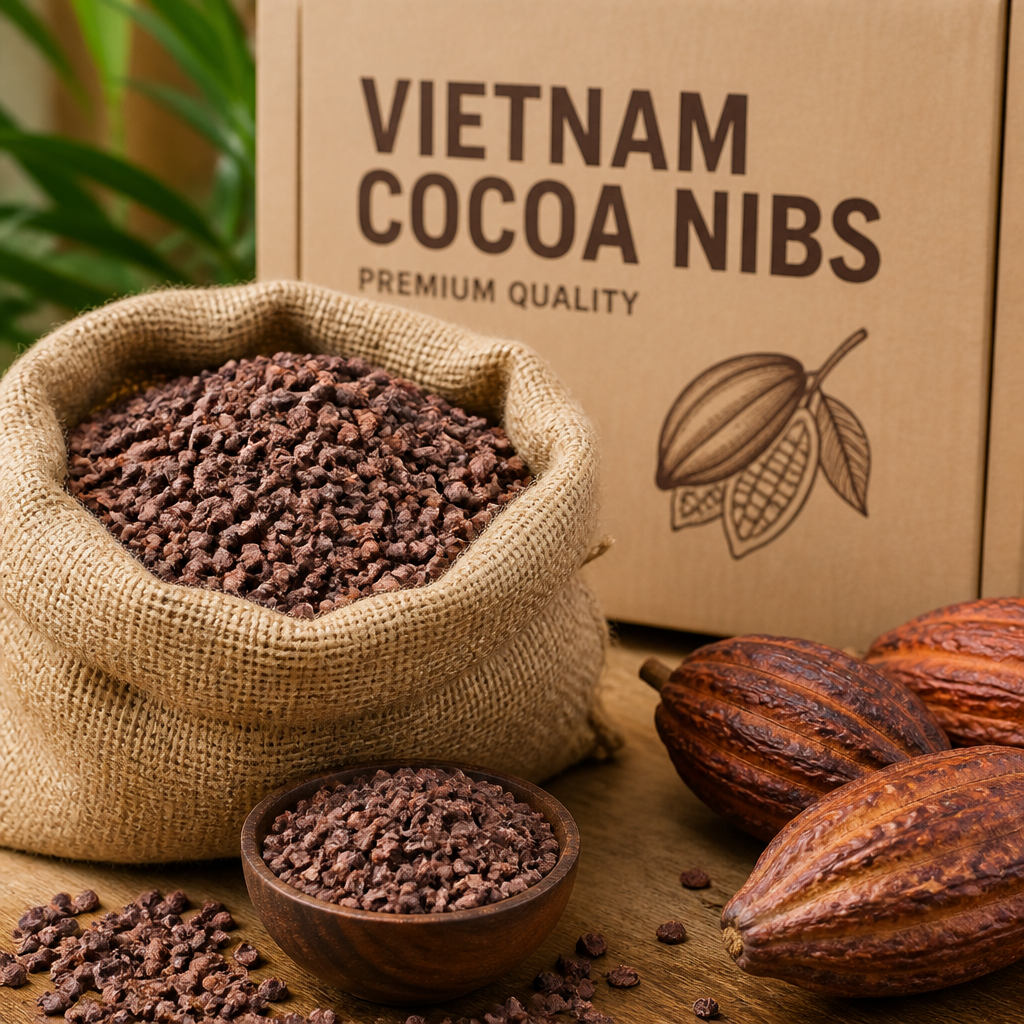
In the realm of cocoa nibs, packaging plays a crucial role in maintaining the product's integrity from the factory floor to the consumer's pantry. Common packaging practices for cocoa nibs focus on preserving freshness and ensuring the product remains uncontaminated. Typically, cocoa nibs are packaged in airtight bags or containers that protect against moisture, light, and air, which are the primary culprits of quality degradation.
Various packaging materials are employed, each offering distinct advantages. For instance, aluminum foil bags are a popular choice due to their excellent barrier properties, effectively blocking out light and moisture. This material is particularly beneficial for long-term storage, ensuring that the cocoa nibs retain their rich flavor and aroma. On the other hand, plastic pouches with resealable zippers provide convenience and ease of use, allowing consumers to access the product without compromising its freshness.
The use of high-quality packaging materials is not merely about aesthetics or consumer convenience; it is pivotal for the preservation of freshness and quality. By preventing exposure to environmental factors, these packaging solutions help maintain the cocoa nibs' nutritional value and sensory characteristics, which are critical for both manufacturers and end-users. The Vietnam Cocoa Nib Exporter, for instance, emphasizes the importance of using state-of-the-art packaging to ensure their products meet international quality standards.
The choice of packaging is a strategic decision that impacts both the shelf life of cocoa nibs and their marketability. Investing in superior packaging solutions allows suppliers like Vietnam Cocoa Nib Exporter to ensure their products reach consumers in optimal condition, thereby enhancing customer satisfaction and brand reputation.
Bulk Supply Capabilities
As a leading Vietnam Cocoa Nib Exporter, the ability to supply cocoa nibs on a large scale is a significant feature that sets us apart in the industry. With a robust infrastructure in place, we are well-equipped to meet the high demands of manufacturers across the globe. Our facilities are capable of processing and packaging substantial quantities of cocoa nibs, ensuring a steady and reliable supply chain for our clients.
Understanding the complexities of logistics and distribution is crucial in this endeavor. Our strategic partnerships with top-tier logistics providers allow us to efficiently manage the transportation of cocoa nibs from Vietnam to international destinations. This network ensures that our products reach manufacturers in optimal condition, maintaining the quality and freshness that are vital to their production processes.
Bulk supply plays a pivotal role in cost efficiency for both us and our clients. By purchasing in large quantities, manufacturers can significantly reduce their overall costs. This is not only due to the economies of scale achieved in production but also because it minimizes the frequency of shipments, further cutting down logistics expenses. Our ability to supply in bulk means that manufacturers can benefit from lower per-unit costs, which is a critical advantage in the competitive food industry.
Moreover, the reliability of a consistent supply is essential for manufacturers who depend on cocoa nibs as a key ingredient in their products. By ensuring a steady flow of high-quality nibs, manufacturers can maintain their production schedules and meet consumer demand without interruption. This reliability is a cornerstone of our service, ensuring manufacturers receive the quality cocoa nibs they need, when they need them.
Advantages of Using Cocoa Nibs
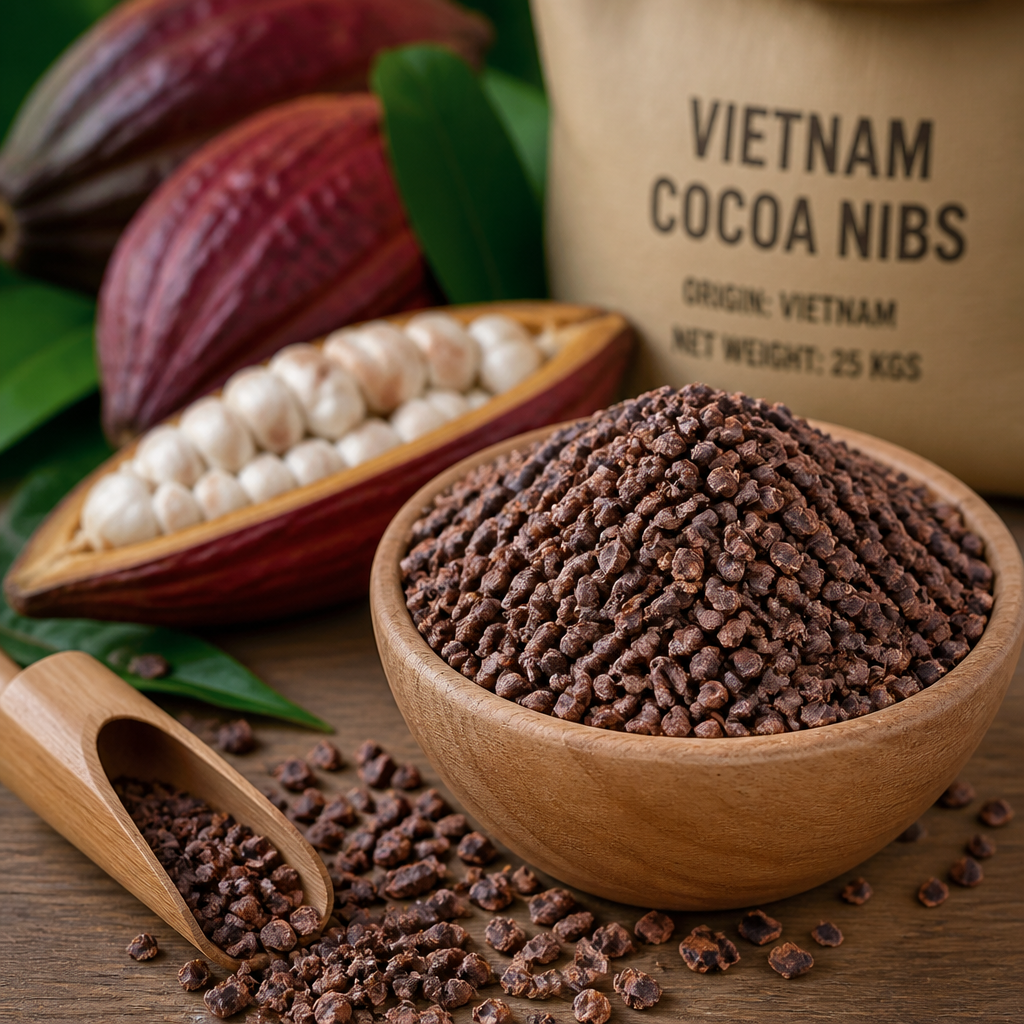
Cocoa nibs, derived from the cacao bean, offer a range of advantages that make them a sought-after ingredient in the food industry. One of the most compelling benefits is their nutritional profile. Cocoa nibs are rich in antioxidants, particularly flavonoids, which are known for their role in reducing inflammation and improving heart health. They also contain essential minerals such as iron, magnesium, and calcium, making them a nutritious addition to any diet. Furthermore, cocoa nibs provide a source of dietary fiber, which aids in digestion and promotes a feeling of fullness, thereby supporting weight management.
Another advantage is their versatility in culinary applications. Cocoa nibs can be incorporated into a wide variety of food products, ranging from baked goods and cereals to smoothies and savory dishes. Their unique, slightly bitter taste and crunchy texture add depth and complexity to recipes, making them a popular choice among chefs and home cooks alike. For instance, they can be sprinkled over yogurt or oatmeal for a nutritious breakfast or used as a topping for salads and desserts to enhance flavor and texture.
Moreover, cocoa nibs boast a long shelf-life compared to other cocoa products. This is primarily due to their minimal processing, which retains the natural oils and antioxidants that help preserve their freshness. Unlike cocoa powder or chocolate bars, which may have added sugars or dairy that can affect shelf stability, cocoa nibs remain stable for extended periods when stored properly. This makes them an ideal choice for manufacturers and consumers looking for sustainable and long-lasting ingredients.
Consequently, cocoa nibs are not only a nutritious and versatile ingredient but also a practical choice for those seeking long-term storage solutions. These advantages highlight why the Vietnam Cocoa Nib Exporter is a key player in supplying premium cocoa nibs to manufacturers worldwide.
Benefits for Manufacturers
In the competitive world of food manufacturing, leveraging the right ingredients can make a significant difference in both product quality and profitability. For manufacturers sourcing cocoa nibs, particularly from a reputable Vietnam Cocoa Nib Exporter, several benefits stand out.
- Cost-effectiveness of Bulk Purchasing: Purchasing cocoa nibs in bulk can lead to substantial cost savings. By ordering large quantities, manufacturers can benefit from economies of scale, reducing the per-unit cost. This is particularly advantageous for large-scale operations that require a consistent supply of high-quality nibs. Additionally, bulk purchasing minimizes the frequency of orders, which can further reduce logistical and administrative expenses.
- Customization Options for Specific Product Needs: Another significant advantage is the ability to customize the cocoa nibs to meet specific product requirements. Manufacturers can work with suppliers to adjust factors such as the size, roast level, and flavor profile of the nibs. This customization ensures that the final product aligns perfectly with the brand's vision and consumer expectations, allowing for unique product offerings that stand out in the market.
- Enhanced Product Quality and Marketability: The quality of cocoa nibs directly impacts the flavor and texture of the final product. High-quality nibs, sourced from a trusted exporter, can significantly enhance the taste and appeal of chocolate, bakery, cereal, and health-food products. Improved product quality not only satisfies existing customers but also attracts new ones, boosting marketability and potentially leading to increased sales and brand loyalty.
By capitalizing on these benefits, manufacturers can not only optimize their production processes but also enhance their product offerings, ultimately leading to greater success in the competitive food industry landscape.