Discover the advantages of partnering with a Vietnam Cocoa Mass Exporter for high-quality cocoa liquor, essential for premium chocolate production.
Cocoa mass and cocoa liquor are fundamental ingredients in the production of chocolate, serving as the core components that define the taste, texture, and quality of various chocolate products. As the global appetite for high-quality chocolate continues to grow, manufacturers are increasingly prioritizing the quality and sourcing of these essential ingredients. This focus is particularly significant for those seeking to collaborate with a Vietnam Cocoa Mass Exporter, where the emphasis on premium quality and sustainable sourcing aligns with the evolving standards of the chocolate industry.
Chocolate manufacturers are the primary consumers of cocoa mass, which is essential in their production processes. Their interest in cocoa mass and cocoa liquor stems from the need to create chocolate that satisfies high consumer expectations for taste, texture, and quality. For these manufacturers, the quality of cocoa mass is paramount. They focus on sourcing from suppliers who can ensure consistency and excellence in their products. Vietnam's cocoa mass offerings meet these demands, known for their robust flavor profiles and adherence to international quality standards.
Sourcing cocoa mass involves more than just acquiring raw materials; it requires establishing a reliable supply chain that supports sustainable practices. Chocolate manufacturers are increasingly aware of the environmental and ethical implications of their sourcing decisions. They look for suppliers committed to sustainable farming practices and fair trade principles. By choosing a Vietnam Cocoa Mass Exporter, manufacturers can align their operations with these values, ensuring that their products not only taste good but also contribute positively to the global community.
Understanding the Needs of Chocolate Manufacturers
In the competitive world of chocolate production, manufacturers have distinct and exacting needs when it comes to sourcing cocoa mass. Understanding these needs is crucial for any Vietnam Cocoa Mass Exporter aiming to establish a successful partnership with chocolate makers globally.
Firstly, the specifications requirements of cocoa mass are crucial. Chocolate manufacturers demand precise specifications regarding cocoa content, fat percentage, and flavor profile to ensure consistency in their final products. For instance, a premium chocolate brand might require cocoa mass with a high cocoa butter content to achieve a smooth texture and rich flavor. Meeting these specifications is not just about quality; it's about aligning with the brand's identity and consumer expectations.
Next, processing method preferences play a critical role in the selection of cocoa mass suppliers. Different manufacturers might favor specific processing methods such as natural fermentation or Dutch processing, which involves treating cocoa with an alkaline solution to modify its color and reduce acidity. This choice affects the taste, color, and overall appeal of the chocolate product. Therefore, a supplier's ability to adapt to these preferences can significantly influence their attractiveness to potential buyers.
The importance of packaging options cannot be overstated. Packaging not only affects the quality and shelf life of cocoa mass but also its logistical efficiency. Manufacturers often require cocoa mass in bulk packaging for large-scale production, but there is also a growing demand for more flexible packaging solutions that cater to smaller batches or specialty products. Options such as vacuum-sealed bags or eco-friendly materials can provide added value, aligning with sustainability goals and reducing waste.
"Packaging is not just a container; it's a critical component of product quality and brand perception."
By understanding these key areas—specifications, processing methods, and packaging—Vietnamese cocoa mass suppliers can better tailor their offerings to meet the precise needs of chocolate manufacturers, thereby enhancing their competitiveness in the global market.
Educating on Cocoa Mass Specifications and Processes
In the complex world of cocoa mass production, understanding the specifications and processes is crucial for ensuring quality and meeting industry standards. This section delves into the essential aspects that define cocoa mass, focusing on the quality and type of cocoa beans, the intricacies of the production process, and the packaging options available to cater to diverse market needs.
Firstly, the quality and type of cocoa beans are foundational to the final product. Vietnam, as a notable cocoa mass exporter, often utilizes a variety of cocoa beans, including the prized Criollo and the more robust Forastero. Criollo beans, known for their fine flavor profile, contribute to a more aromatic and less bitter cocoa mass, ideal for high-end chocolate products. In contrast, Forastero beans are favored for their hardiness and higher yield, making them a staple for bulk production. The choice between these types can significantly affect the flavor, aroma, and overall quality of the cocoa mass, influencing the preferences of chocolate manufacturers worldwide.
Moving on to the production process specifics, the transformation from cocoa beans to cocoa mass involves several critical stages. The process begins with fermentation, which is crucial for developing the beans' flavor profile. This is followed by drying, roasting, and grinding. Each step must be meticulously controlled to maintain the integrity of the cocoa's natural flavors and to ensure that the final product meets the desired specifications. For instance, the roasting temperature and duration can vary depending on the bean type, impacting the flavor intensity and aroma. Understanding these nuances is essential for manufacturers looking to produce consistent, high-quality cocoa mass.
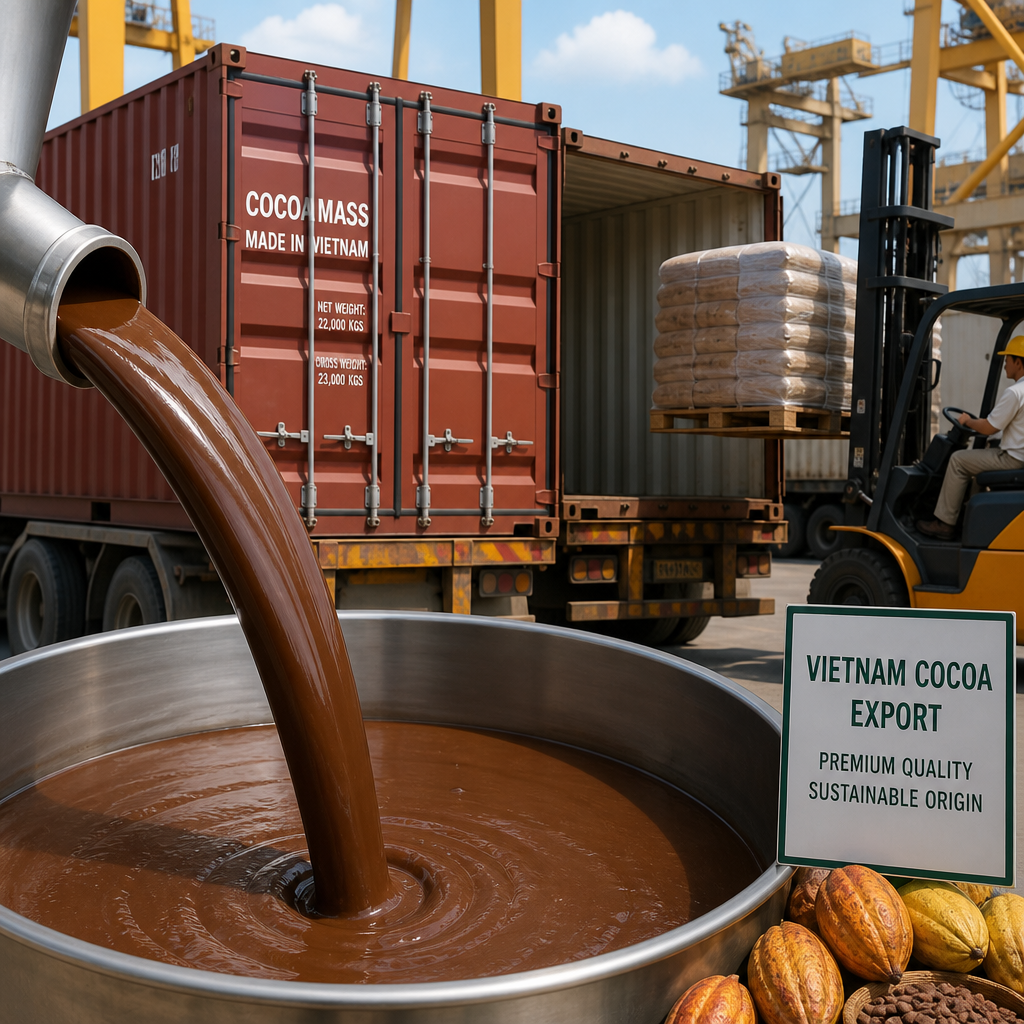
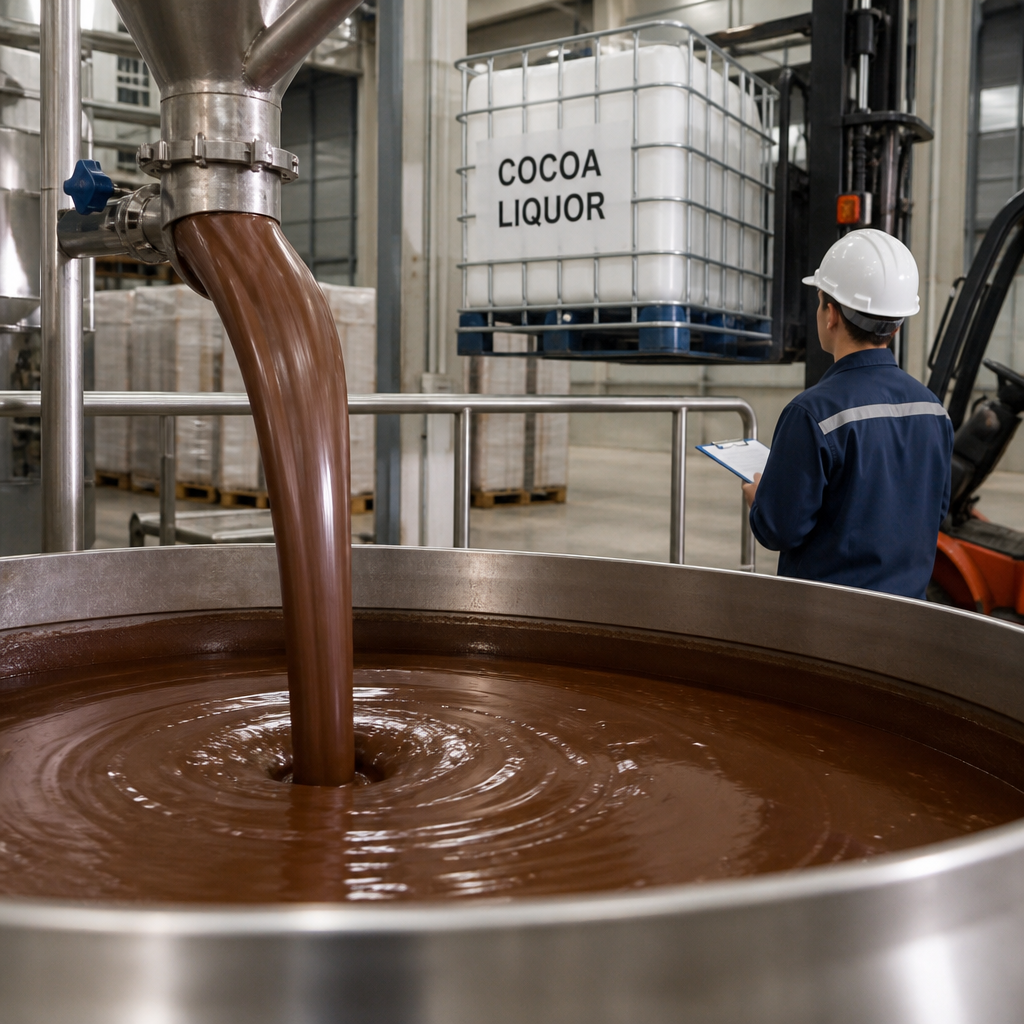
Finally, the available packaging options for cocoa mass are designed to meet the needs of different market segments. Vietnam offers both bulk and retail packaging solutions. Bulk packaging is typically employed for large-scale chocolate manufacturers who require substantial quantities for continuous production lines. This packaging often involves large sacks or containers that can hold hundreds of kilograms of cocoa mass, optimizing transport efficiency and reducing costs. On the other hand, retail packaging caters to smaller businesses or specialty chocolate makers who may prefer smaller, more manageable quantities. This flexibility in packaging allows suppliers to cater to a wide range of clients, from artisanal chocolatiers to industrial-scale producers.
Understanding these key elements—bean quality, production processes, and packaging options—offers a comprehensive view of what goes into producing high-quality cocoa mass. For manufacturers, this knowledge aids in selecting the right supplier and optimizing their own production processes to achieve the desired chocolate product characteristics.
Stimulating Interest in Vietnamese Cocoa Mass
As the global demand for high-quality cocoa products continues to rise, Vietnam is emerging as a noteworthy player in the cocoa mass export market. The allure of Vietnamese cocoa mass lies in its potential benefits to international buyers, especially chocolate manufacturers who prioritize both quality and cost-effectiveness.
One of the most compelling reasons to consider Vietnam as a supplier is the comparative advantages it offers in terms of both quality and cost. Vietnamese cocoa mass is produced from carefully selected cocoa beans, ensuring a rich flavor profile that meets the stringent requirements of premium chocolate production. Moreover, the cost of production in Vietnam is often lower compared to other major cocoa-producing countries, thanks to the relatively lower labor costs and efficient production processes. This combination of high quality and competitive pricing makes Vietnamese cocoa mass an attractive option for manufacturers looking to optimize their supply chains.
Furthermore, Vietnamese suppliers are often listed in industry-specific databases and trade directories, which makes it easier for international buyers to identify and engage with them. These directories provide detailed information about suppliers, including their production capabilities, certifications, and customer reviews, allowing buyers to make informed decisions. For instance, platforms like the Vietnam Trade Promotion Agency (VIETRADE) offer comprehensive listings of cocoa mass exporters, facilitating connections between buyers and suppliers.
"Vietnam's strategic advantage in cocoa mass production is not only in its cost-effectiveness but also in its commitment to quality, making it a preferred choice for discerning chocolate manufacturers worldwide."
By leveraging these advantages, Vietnam is well-positioned to attract international buyers and establish itself as a key player in the global cocoa mass market. For chocolate manufacturers aiming to enhance their product offerings while maintaining cost efficiency, exploring partnerships with Vietnamese suppliers could be a highly beneficial strategy.
Guiding Next Steps for Engaging with Suppliers
In the final stage of engaging with Vietnamese cocoa mass suppliers, it's crucial to take strategic steps that ensure efficient and effective collaboration. This involves a multi-faceted approach that includes direct communication, leveraging industry resources, and understanding logistical considerations.
Contacting Vietnamese Cocoa Mass Suppliers Directly
One of the most direct methods to establish a relationship with a Vietnamese cocoa mass exporter is through direct contact. Companies such as Vietnam Cocoa Corporation and Marou Chocolate are prominent players in the market. Engaging with these suppliers directly allows potential buyers to discuss specific needs, negotiate terms, and build a rapport that can lead to more favorable business arrangements. Direct communication also provides an opportunity to assess the supplier's responsiveness and willingness to accommodate unique requests, which is vital for long-term partnerships.
Consulting Industry-Specific Resources
Utilizing industry-specific resources is another critical step. Platforms like the International Cocoa Organization and Vietnam Trade Promotion Agency offer valuable insights into market trends, supplier directories, and trade regulations. These resources can help buyers understand the competitive landscape and identify potential suppliers that align with their quality and pricing expectations. Furthermore, participating in industry forums and trade shows can provide networking opportunities and firsthand insights into supplier capabilities.
Navigating Minimum Order Quantity (MOQ) and Shipping Logistics
When dealing with international suppliers, understanding and managing the Minimum Order Quantity (MOQ) is essential. Vietnamese suppliers may have different MOQ requirements depending on the type of cocoa product and its intended use. It's important to clarify these requirements upfront to avoid any misunderstandings that could affect order fulfillment. Additionally, shipping logistics play a crucial role in the supply chain. Buyers should inquire about shipping options, costs, and delivery timelines to ensure that they can meet their production schedules effectively.
"Understanding the nuances of MOQ and shipping logistics is key to maintaining a smooth supply chain and avoiding unexpected costs."
By following these steps, buyers can position themselves to successfully engage with Vietnamese cocoa mass suppliers, paving the way for fruitful collaborations that meet their quality and production needs.