Vietnam Cocoa Butter Exporter provides high-quality deodorized and non-deodorized cocoa butter, essential for cosmetics, food, and pharmaceuticals, ensuring market competitiveness.
Cocoa butter, a vital ingredient in various industries, comes in two primary varieties: deodorized and non-deodorized. Each type has distinct characteristics and applications, making it crucial for stakeholders in the cocoa butter industry, such as Vietnam Cocoa Butter Exporters, to understand these differences to cater to diverse market needs effectively.
Deodorized cocoa butter undergoes a special process to remove its natural aroma, typically through steam distillation. This process involves heating the cocoa butter to a high temperature and then passing steam through it to strip away the characteristic chocolate scent. The result is a neutral-smelling product, highly sought after in industries where the addition of other fragrances is necessary without interference. Consequently, deodorized cocoa butter is extensively used in cosmetics and pharmaceuticals. In these sectors, the absence of a strong cocoa scent allows for the incorporation of various fragrances, making it a versatile ingredient in products like lotions, creams, and lip balms. Additionally, deodorized cocoa butter is favored in food products where a neutral flavor profile is essential, allowing other ingredients to stand out.
In contrast, non-deodorized cocoa butter retains its natural aroma and flavor, making it ideal for culinary applications, particularly in chocolate production. The rich, chocolatey essence of non-deodorized cocoa butter is a desired characteristic in the confectionery industry. Artisanal chocolatiers often prefer this type of cocoa butter to enhance the depth and authenticity of flavor in their products. Furthermore, non-deodorized cocoa butter is sometimes used in niche cosmetic products where the natural cocoa scent is a selling point, appealing to consumers seeking organic and raw ingredients.
The processing differences between these two types of cocoa butter also lead to variations in their storage and handling requirements. Deodorized cocoa butter, due to its additional processing, may require more controlled storage conditions to maintain its quality over time. It is essential to store it in an environment with stable temperatures and low humidity to prevent spoilage and maintain its neutral scent. On the other hand, non-deodorized cocoa butter, with its intact natural compounds, might be more resilient but still demands careful storage to prevent spoilage and retain its aromatic properties.
Understanding these distinctions is crucial for Vietnam Cocoa Butter Exporters to meet the specific needs of different industries. By catering to the nuanced demands of various markets, exporters can enhance their competitiveness and reputation in the global cocoa butter industry.
Challenges in Maintaining Cocoa Butter Quality
Maintaining the quality of cocoa butter presents significant challenges for Vietnam Cocoa Butter Exporters, requiring meticulous attention to several factors. One of the most essential aspects is ensuring proper packaging. Packaging serves as the first line of defense against environmental factors and preserves the butter's intrinsic properties. High-quality packaging materials, such as vacuum-sealed bags or airtight containers, are imperative to prevent contamination and oxidation, which can degrade the product.
Storage requirements are equally crucial to prevent spoilage. Cocoa butter is highly sensitive to temperature and humidity fluctuations. Ideally, it should be stored in a cool, dry place with temperatures maintained between 18°C to 24°C (64°F to 75°F). This range helps in preserving the butter's texture and prevents the development of off-flavors. Humidity levels should also be kept below 70% to avoid moisture absorption, which can lead to microbial growth.
The impacts of poor storage on cocoa butter quality are profound. When exposed to inadequate storage conditions, cocoa butter can become rancid, losing its aroma and flavor profile. This degradation not only affects the sensory attributes but also the functional properties, such as melting point and consistency, which are crucial for its applications in the food and cosmetic industries. For instance, a batch of cocoa butter that has not been stored correctly may exhibit a grainy texture, making it unsuitable for chocolate production or skincare formulations.
These challenges highlight the importance of stringent quality control measures in the cocoa butter supply chain. For exporters, failing to address these issues can lead to significant setbacks, including market rejection and financial losses. Therefore, understanding and implementing the best practices in packaging and storage is not just a recommendation but a necessity for maintaining the esteemed reputation of Vietnam Cocoa Butter Exporters in the global market.
Consequences of Ignoring Quality Standards
For any Vietnam Cocoa Butter Exporter, maintaining high-quality standards is not just a recommendation; it's a necessity. Ignoring these standards can lead to severe repercussions, affecting both the financial health and reputation of the business.
Firstly, the most immediate consequence of subpar quality is market rejection. International markets are highly competitive and discerning, with buyers expecting products that meet stringent quality criteria. Cocoa butter that fails to meet these standards is often rejected, leading to a direct loss of potential revenue. This is particularly critical for exporters aiming to penetrate markets in Europe and North America, where quality standards are uncompromising.
Beyond market rejection, financial losses from spoiled products can be significant. Spoilage often results from inadequate storage and packaging, which can lead to the degradation of cocoa butter before it even reaches the market. This not only means a loss of the product itself but also the costs associated with its production and shipping. For instance, if a shipment of cocoa butter is deemed unusable upon arrival, the exporter must absorb the costs of both the product and its transportation, which can be substantial.
Moreover, the damage to a company's reputation can be long-lasting and difficult to repair. In the global market, reputation is everything, and a single instance of poor-quality products can tarnish a brand's image. This can lead to a loss of trust among existing and potential buyers, making it more challenging to secure future contracts. For exporters, maintaining a strong reputation is crucial for sustaining long-term business relationships and ensuring continued market access.
"Quality is never an accident; it is always the result of intelligent effort." - John Ruskin
Ignoring quality standards in the cocoa butter industry can lead to severe consequences. Market rejection, financial losses, and reputational damage can collectively undermine an exporter’s position in the global market. Thus, adhering to quality standards is essential not only for meeting current demand but also for securing a sustainable future in the industry.
Ensuring Optimal Storage and Packaging
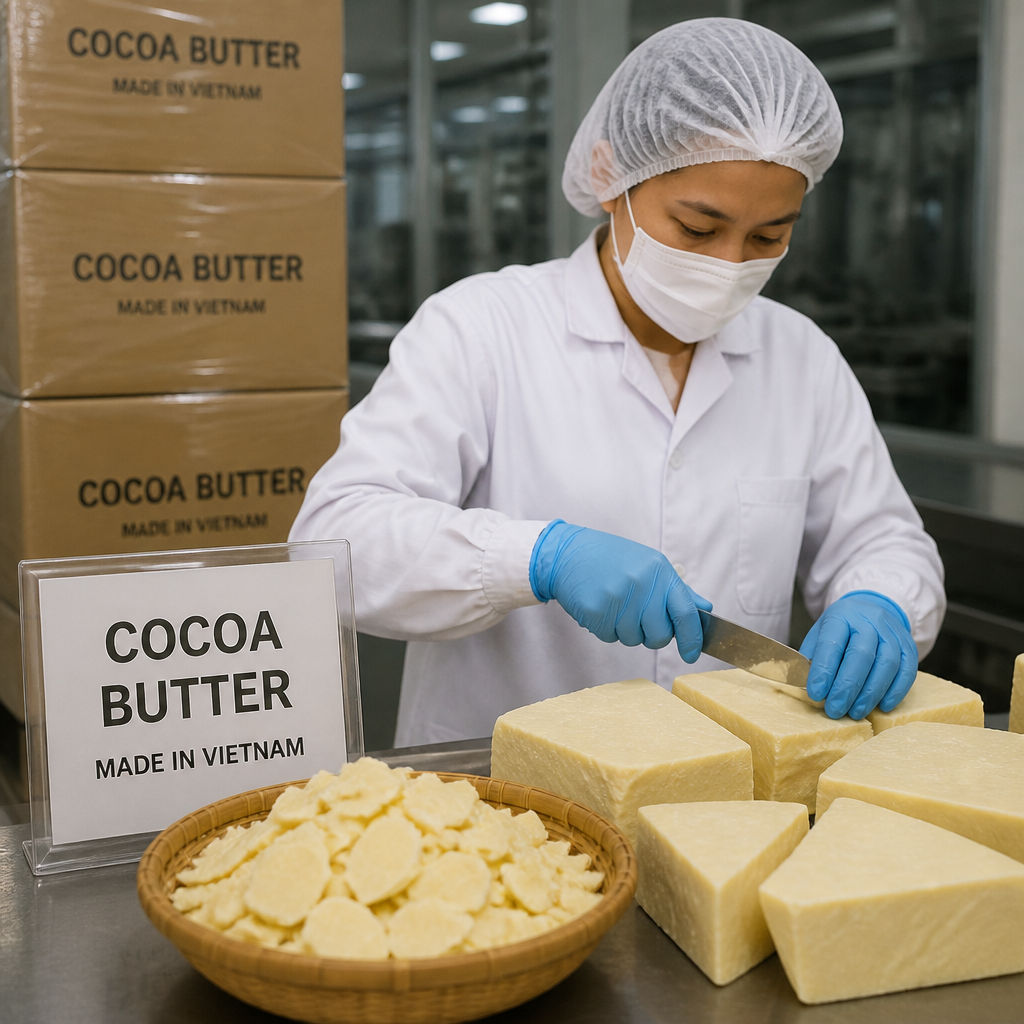
Vietnam Cocoa Butter Exporters face a critical challenge in maintaining the quality of their products, and the key lies in ensuring optimal storage and packaging. Proper packaging materials and storage conditions are not just recommendations; they are essential to preserving the integrity and extending the shelf life of cocoa butter.
First and foremost, the choice of packaging materials is crucial. For cocoa butter, materials that offer a strong barrier against light, air, and moisture are recommended. This typically includes multi-layered materials such as aluminum foil or laminated films. These materials are particularly effective in preventing oxidation and rancidity, which are common issues that degrade cocoa butter quality. For instance, aluminum foil's reflective properties help in shielding the product from light exposure, while its impermeability to air and moisture ensures the product remains fresh.
Equally important are the storage conditions. Ideal storage conditions for cocoa butter involve maintaining a cool, dry environment with a stable temperature, typically around 18-20°C (64-68°F). Humidity control is also vital, with levels kept below 50% to prevent mold growth and quality deterioration. Temperature fluctuations can lead to fat bloom, a condition where fat crystals rise to the surface, causing a whitish appearance and affecting texture.
To further extend the shelf life of cocoa butter, several techniques can be employed:
- ✅ Vacuum Sealing: By removing air from the packaging, vacuum sealing minimizes oxidation and microbial growth.
- ✅ Inert Gas Flushing: Replacing the air inside the packaging with inert gases such as nitrogen can significantly reduce oxidation.
- ✅ Controlled Atmosphere Storage: Adjusting the composition of gases in the storage environment can help maintain product quality over time.
"Proper storage and packaging are not just about preserving the product; they are about safeguarding the reputation and financial viability of Vietnam Cocoa Butter Exporters."
By adhering to these recommended practices, Vietnam Cocoa Butter Exporters can ensure their products remain of the highest quality, ready to meet the demands of international markets. Investing in optimal storage and packaging is a strategic move that pays off by reducing spoilage and maintaining customer trust.
Meeting Export Requirements for Cocoa Butter
Navigating the complex landscape of international trade requires Vietnam Cocoa Butter Exporters to do more than just offer a quality product. Meeting export requirements is a multifaceted challenge involving adherence to international market standards, obtaining necessary certifications, and ensuring customs and regulatory compliance.
First and foremost, understanding and aligning with international market standards is crucial. These standards act as a benchmark for quality and safety, ensuring that cocoa butter products are suitable for global consumption. For instance, the European Union and the United States have stringent regulations regarding the permissible levels of contaminants and the purity of cocoa butter. Failure to meet these standards can result in market rejection, which is not only financially damaging but also detrimental to the exporter’s reputation.
In addition to meeting these standards, obtaining the necessary certifications is a non-negotiable step in the export process. Certifications such as ISO 22000 for food safety management and Fair Trade certification can significantly enhance the credibility of a Vietnam Cocoa Butter Exporter. These certifications assure buyers that the products are produced under conditions that prioritize safety, sustainability, and ethical practices. Moreover, certifications can open doors to premium markets that are otherwise inaccessible.
Finally, ensuring customs and regulatory compliance is essential for smooth international trade operations. Each country has its own set of customs regulations that exporters must adhere to, which can include specific documentation, tariffs, and import quotas. For example, exporting to the United States requires compliance with the Food and Drug Administration (FDA) regulations, which govern the labeling and safety of food products. Non-compliance can lead to delays, additional costs, or even the seizure of goods at the border.
"Navigating the intricate web of international standards and regulations is both a challenge and a necessity for exporters aiming to succeed in the global market."
In summary, Vietnam Cocoa Butter Exporters must meticulously adhere to international standards, secure the appropriate certifications, and comply with customs regulations to thrive in the competitive global market. This comprehensive approach not only ensures market access but also builds a strong foundation for long-term success and recognition as a reliable supplier in the international arena.
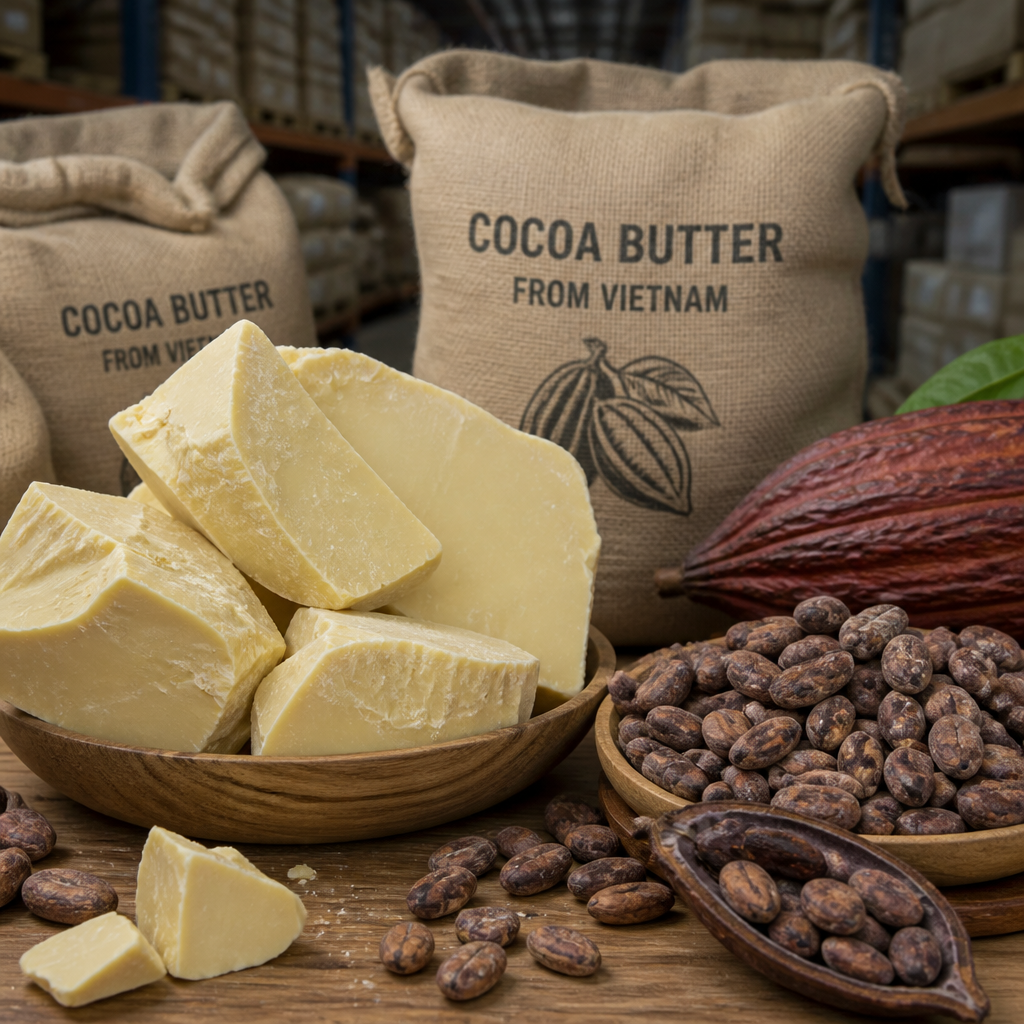
Choosing the Right Type for Your Needs
When it comes to selecting the right type of cocoa butter for your needs, understanding the specific applications and characteristics of each variety is crucial. Cocoa butter, a key ingredient in many industries, comes in two primary types: deodorized and non-deodorized. Each type has distinct uses and benefits, making the choice dependent on the intended application and desired outcome.
Applications of Deodorized Cocoa Butter
Deodorized cocoa butter is processed to remove its natural aroma, making it an ideal choice for applications where a neutral scent is preferred. This type of cocoa butter is extensively used in the cosmetic and pharmaceutical industries. Its neutral scent allows it to be incorporated into products without altering their intended fragrance profiles. For instance, it is a popular ingredient in lotions, creams, and lip balms, providing moisturizing properties without the strong cocoa scent that might interfere with other fragrances.
Uses for Non-Deodorized Cocoa Butter
On the other hand, non-deodorized cocoa butter retains its natural chocolate aroma, making it perfect for culinary uses. It is a staple in the chocolate and confectionery industries, where the rich, authentic cocoa flavor is desired. Artisanal chocolatiers often prefer non-deodorized cocoa butter to enhance the depth of flavor in their products. It also finds its place in niche cosmetic products where the natural scent of cocoa is a selling point, offering a more organic and raw appeal.
Factors to Consider When Selecting Cocoa Butter Type
- 💡 Intended Application: Determine whether the cocoa butter will be used in food, cosmetics, or pharmaceuticals. This will guide whether a neutral or natural aroma is preferred.
- 💡 Fragrance Compatibility: For products that include additional scents, deodorized cocoa butter might be more suitable to avoid clashing aromas.
- 💡 Flavor Profile: In culinary applications, the choice between deodorized and non-deodorized cocoa butter can significantly impact the final product's flavor.
- 💡 Cost Considerations: The processing required for deodorization can affect pricing. Evaluate budget constraints in relation to the benefits each type offers.
- 💡 Consumer Preferences: In cosmetic products, the choice might be influenced by consumer demand for natural and organic ingredients.
By carefully considering these factors, businesses can make informed decisions that align with their product goals and consumer expectations, ensuring that they select the most suitable cocoa butter variety for their specific needs.