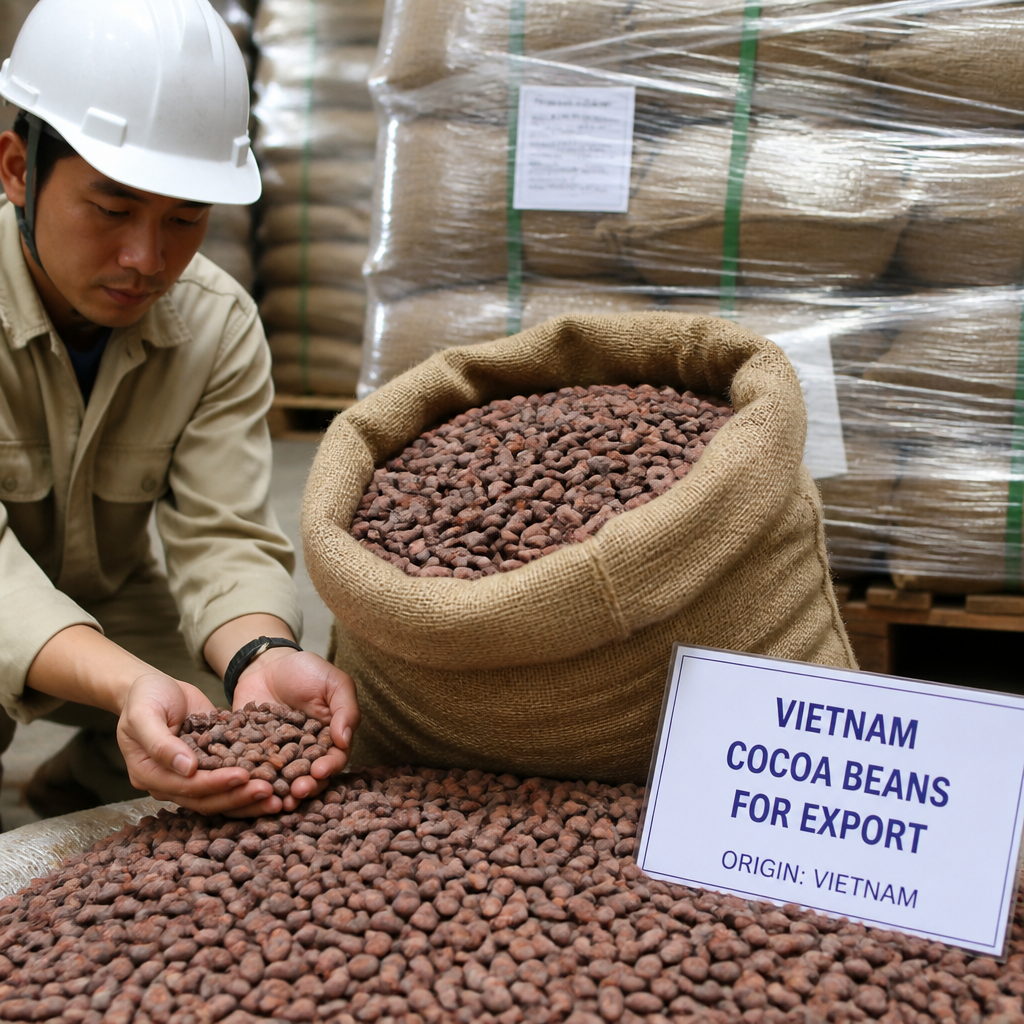
Discover the unique quality of Vietnam Cocoa Bean Exporter, known for its premium fermented and unfermented cocoa beans that meet global chocolate standards.
The Vietnamese cocoa industry has emerged as a notable player in the global market, gaining recognition for its distinctive offerings and expanding reputation. Unlike many traditional cocoa-producing regions, Vietnam has successfully established a niche by focusing on both fermented and unfermented cocoa beans. This diversity enables Vietnam to meet a wide range of market demands, distinguishing it from established cocoa giants.
One of the primary factors influencing buyer decisions is the rigorous evaluation process that Vietnamese cocoa beans undergo. Several critical criteria are meticulously assessed, including moisture content, bean count, fermentation quality, and packaging. Each of these elements plays a crucial role in determining the quality and marketability of the beans. For instance, moisture content is vital in preventing mold growth and spoilage, ensuring the beans remain fresh and viable for processing. Ideally, cocoa beans should maintain a moisture content of around 6-7%, a level that preserves their integrity during storage and transportation.
Another important metric is the bean count, which refers to the number of beans per unit weight. Typically, a lower bean count indicates larger beans, often associated with richer flavors and higher fat content. This is crucial for quality assessment, as larger beans contribute to processing uniformity and are generally preferred for premium cocoa products.
Fermentation quality is a hallmark of Vietnamese cocoa beans, with local producers employing traditional techniques to achieve optimal results. Proper fermentation leads to a well-rounded flavor profile, which is highly sought after in the chocolate industry. This process not only enhances the taste but also significantly impacts the quality and market value of the beans. Poor fermentation, on the other hand, can result in off-flavors and reduced quality, making the beans less competitive in the global market.
Packaging, too, plays a pivotal role in preserving the beans' integrity, protecting them from environmental factors that could compromise their quality. Effective packaging materials and techniques are essential for maintaining the beans' integrity during transportation and storage, thus preserving their market value.
Understanding Cocoa Bean Characteristics
Delving into the intricate characteristics of cocoa beans is essential for anyone involved in the cocoa trade. Each aspect, from moisture content to packaging, plays a crucial role in determining the quality and marketability of the beans. For a Vietnam Cocoa Bean Exporter, understanding these characteristics is vital to meeting the demands of discerning buyers and capitalizing on the growing global cocoa market.
Firstly, the moisture content of cocoa beans is a critical factor. Excess moisture can affect the flavor profile, making the beans less appealing to high-end chocolate manufacturers who demand consistency and quality. Maintaining the ideal moisture content is essential for preventing mold growth, which can spoil the beans and lead to significant financial losses.
Another crucial aspect is the bean count, which provides a quick indicator of quality. Buyers often prefer larger beans for their richer flavor and higher fat content, influencing purchasing decisions and pricing. The consistency in size and weight of high-quality beans contributes to uniformity in processing, which is a key consideration for chocolate manufacturers.
The quality of fermentation significantly impacts the flavor development of the beans. Proper fermentation reduces bitterness and enhances the aroma, making the beans more appealing to premium chocolate manufacturers worldwide. This aspect of cocoa production is vital as it directly affects the beans' market value and competitiveness in the global market.
Lastly, the role of packaging cannot be overstated in preserving cocoa quality. High-quality packaging protects the beans from environmental factors such as moisture and pests, ensuring they reach buyers in optimal condition. This is crucial for maintaining the beans' integrity during transportation and storage, thus preserving their market value.
Grasping these characteristics aids not only in quality assessment but also in enhancing the international reputation of Vietnamese cocoa beans. By concentrating on these essential aspects, exporters can more effectively meet the demands of discerning buyers and capitalize on the expanding global cocoa market.
The Appeal of Vietnamese Cocoa Beans
The appeal of Vietnamese cocoa beans is unmistakable, with several factors driving their increasing popularity among international buyers. A primary reason for this attraction is the specific requirements that Vietnamese cocoa beans fulfill. Known for their consistent moisture content and fermentation quality, these beans meet crucial criteria for many chocolate manufacturers aiming to uphold high product standards.
Vietnamese cocoa stands out due to its comparative advantages over other cocoa-producing regions. The country's unique climate and soil conditions contribute to a distinct flavor profile that is often described as fruity and floral, setting it apart from the more traditional cocoa flavors found in West Africa or South America. Additionally, Vietnam's strategic location in Southeast Asia offers logistical advantages, making it easier and more cost-effective for buyers in Asia and the Pacific region to procure cocoa from Vietnam compared to other regions.
Furthermore, the success stories and testimonials from international buyers serve as a testament to the quality and reliability of Vietnamese cocoa beans. For instance, a prominent chocolate manufacturer in Switzerland praised the high fermentation quality of Vietnamese beans, which contributed to the unique flavor of their premium chocolate line. Another buyer from Japan highlighted the exceptional bean count consistency, which allowed for a more predictable production process.
"Vietnamese cocoa beans have transformed our chocolate production, offering a unique taste that our customers love," said a leading chocolatier from Belgium.
These testimonials underscore the growing recognition of Vietnam as a competitive player in the global cocoa market. The combination of specific quality attributes, strategic advantages, and proven customer satisfaction makes Vietnamese cocoa beans an appealing choice for buyers worldwide.
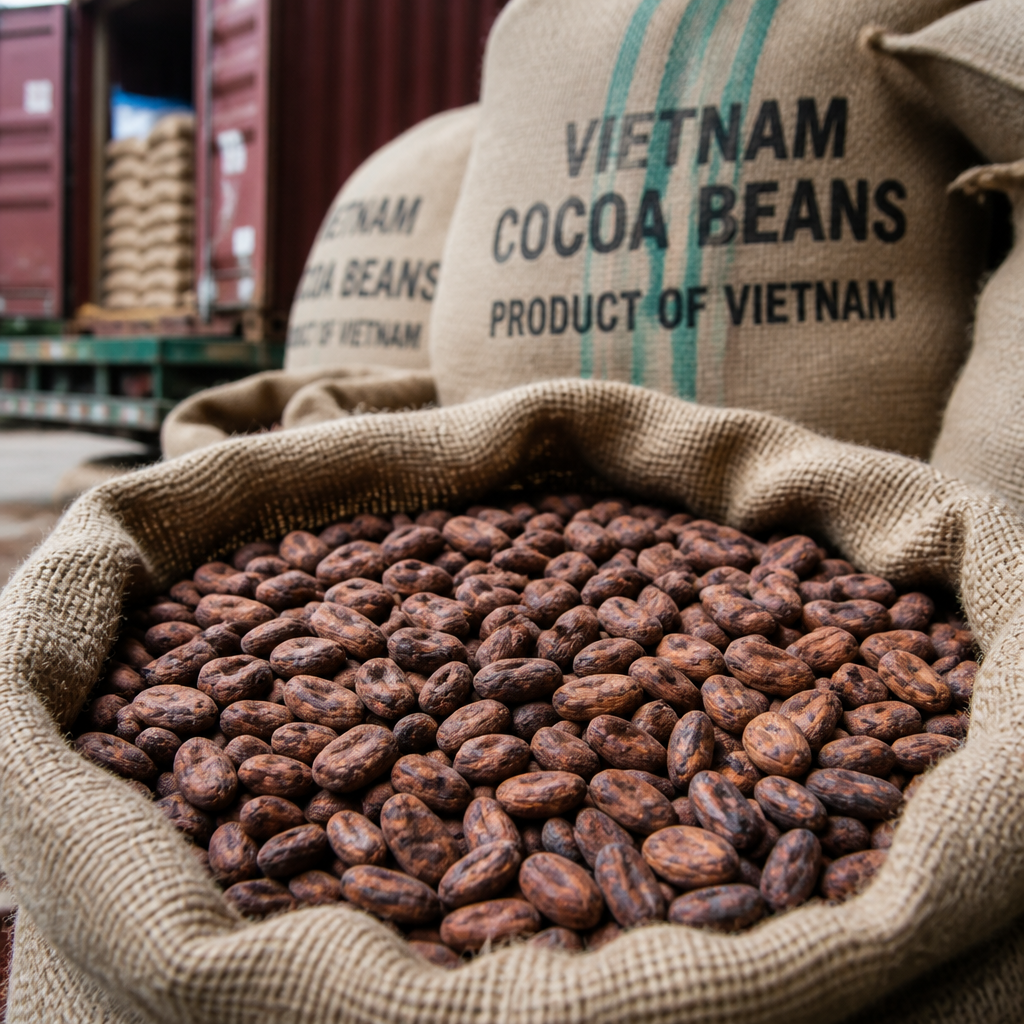
Exploring the Benefits of Fermented vs. Unfermented Cocoa Beans
In the vibrant world of cocoa production, the choice between fermented and unfermented cocoa beans is a significant one, with each offering distinct advantages that cater to different market needs. Understanding these differences is crucial for any Vietnam Cocoa Bean Exporter aiming to meet diverse consumer demands.
Fermented cocoa beans are renowned for their complex flavor profiles, which are essential for producing high-quality chocolate. The fermentation process, which typically lasts between two to seven days, allows the beans to develop a rich, nuanced taste with notes of fruit, nuts, and floral undertones. This complexity is not just about taste; it also affects the texture, making the chocolate smoother and more refined. As a result, fermented cocoa beans are the preferred choice for gourmet chocolate makers and premium brands such as Valrhona and Lindt, which prioritize flavor intensity and depth in their products.
Beyond chocolate, fermented cocoa beans find their way into various culinary applications. They are used in crafting artisanal chocolate beverages and are a key ingredient in high-end confectionery products. The fermentation process enhances the aroma and reduces bitterness, making the beans suitable for diverse applications in the food industry.
On the other hand, unfermented cocoa beans cater to niche markets where specific applications demand their unique properties. These beans maintain a more bitter and earthy profile, which can be desirable in certain culinary contexts. For instance, unfermented beans are often utilized in the production of cocoa powder for baking, where a strong cocoa flavor is needed without the complexity introduced by fermentation. Additionally, they are used in some traditional recipes and health food products, where the raw, unprocessed nature of the beans is valued for its purported health benefits.
- ✅ Fermented Cocoa Beans: Rich, complex flavors; smooth texture; used in gourmet chocolates and beverages.
- ✅ Unfermented Cocoa Beans: Bitter, earthy taste; niche applications in baking and health foods.
The choice between fermented and unfermented cocoa beans ultimately depends on the end use and consumer preference. For exporters, understanding these distinctions can help target the right markets and optimize product offerings. As the global demand for cocoa continues to evolve, staying informed about these differences will be key to success in the competitive landscape of the cocoa industry.
How to Source Quality Cocoa Beans from Vietnam
As you delve into the world of Vietnamese cocoa beans, it's crucial to identify reputable suppliers to ensure the quality of your purchase. Here are some essential tips and key factors to consider when selecting a Vietnam Cocoa Bean Exporter.
- 💡 Research Supplier Reputation: Begin by researching potential suppliers. Look for companies with a solid track record in the industry, such as Marou Chocolate, a well-known name in Vietnamese cocoa, which has garnered international acclaim for its high-quality beans.
- 💡 Evaluate Certifications: Certifications play a pivotal role in guaranteeing quality. Look for suppliers with certifications like UTZ, Fair Trade, or Rainforest Alliance, which indicate adherence to sustainable and ethical practices. These certifications ensure that the beans meet international quality and sustainability standards.
- 💡 Quality Guarantees: Ensure that the supplier provides quality guarantees. This could include commitments to specific moisture content levels or fermentation quality, which are critical for maintaining the beans' integrity during transport and storage.
- 💡 Supplier Transparency: Choose suppliers who are transparent about their sourcing and production processes. This transparency helps build trust and ensures that you are getting exactly what you are promised.
- 💡 Visit Cocoa Farms: If possible, visit the cocoa farms or processing facilities. Seeing the operations firsthand can provide invaluable insights into the quality control measures in place.
These steps not only help in identifying the right supplier but also ensure that the cocoa beans you source meet your quality expectations. By considering these factors, you can confidently navigate the Vietnamese cocoa market and secure beans that will enhance your product offerings.
"Certifications like UTZ and Fair Trade are not just badges; they are assurances of quality, sustainability, and ethical practices."
Take Action: Engaging with the Vietnamese Cocoa Industry
As you consider delving into the vibrant Vietnamese cocoa industry, taking the right steps to engage with suppliers is crucial. Here’s a detailed guide to help you navigate the process effectively:
- Identify Potential Suppliers: Start by researching reputable Vietnam Cocoa Bean Exporters. Utilize online directories and industry reports to compile a list of potential suppliers. Look for those with a proven track record and positive reviews from international buyers.
- Initial Contact: Reach out to selected suppliers via email or phone. Clearly state your interest, requirements, and any specific questions you may have regarding their products. This initial communication is crucial for setting the tone of your potential partnership.
- Request Samples: To ensure quality, request samples of both fermented and unfermented cocoa beans. Evaluate these samples based on moisture content, bean count, and fermentation quality to ensure they meet your standards.
- Discuss Terms and Conditions: Once satisfied with the samples, discuss terms such as pricing, delivery schedules, and payment options. Make sure to clarify any doubts and ensure that all terms are mutually agreeable.
- Visit the Supplier: If feasible, arrange a visit to the supplier’s facilities in Vietnam. This not only helps in building trust but also gives you a firsthand look at their operations and quality control processes.
For those looking to deepen their understanding and engagement, numerous resources are available:
- Industry Reports: Access detailed reports from organizations like the International Cocoa Organization (ICCO) for insights into market trends and forecasts.
- Trade Shows and Conferences: Participate in events such as the Vietnam International Cocoa Conference to network with industry leaders and gain valuable insights.
- Online Platforms: Websites like Alibaba and TradeKey can provide additional supplier information and facilitate initial contact.
Engaging with the Vietnamese cocoa industry offers a wealth of opportunities. The unique characteristics of Vietnamese cocoa beans, combined with the country's growing reputation as a reliable supplier, make it an attractive option for international buyers. By exploring partnerships, you can tap into niche markets, such as those favoring fermented cocoa beans, and expand your business horizons.
"Vietnamese cocoa beans offer a distinctive flavor profile that is increasingly sought after by chocolate makers worldwide." — Industry Expert
In conclusion, taking action now can position your business at the forefront of a burgeoning market. By following these steps and utilizing available resources, you can successfully engage with Vietnamese suppliers and explore mutually beneficial business opportunities.