Vietnam Cinnamon Exporter delivers premium Saigon cinnamon, renowned for its high essential oil content and robust flavor, meeting global quality standards.
The global demand for cinnamon continues to rise steadily, fueled by its diverse applications across industries such as food, beverages, cosmetics, and health products. This increasing demand places considerable pressure on suppliers to consistently meet quality expectations. For Vietnamese cinnamon exporters, this task is especially challenging due to the variability in quality that can occur across different growing regions within the country. Factors like climate, soil conditions, and cultivation practices vary significantly from one region to another, resulting in inconsistencies in flavor and aroma.
One of the primary challenges faced by these exporters is the variance in price and quality across regions. For example, cinnamon sourced from Sri Lanka, known as Ceylon cinnamon, often has a different price point and quality profile compared to Vietnamese cinnamon, which primarily consists of the Cinnamomum loureiroi species, also known as Saigon cinnamon. This species is particularly noted for its high essential oil content, especially cinnamaldehyde, which contributes to its strong aroma and flavor. However, even within Vietnam, the quality can fluctuate based on the specific growing areas such as Yen Bai, Lao Cai, Quang Nam, and Quang Ngai, each offering unique characteristics.
Addressing these challenges requires Vietnamese cinnamon exporters to implement rigorous quality control measures. Without such measures, the risk of delivering substandard cinnamon increases, potentially affecting the reputation of exporters and leading to financial losses. Providing a consistently high-quality product is essential for maintaining a competitive edge in the global market, where consumers are becoming increasingly discerning about the quality of spices they purchase.
The Challenge of Sourcing Quality Cinnamon
As the global demand for cinnamon continues to rise, sourcing quality cinnamon becomes increasingly complex. The challenge lies in ensuring that the cinnamon meets the high standards expected by consumers and regulatory bodies alike. The inconsistency in quality can stem from various factors such as differences in cultivation practices, climate conditions, and soil quality across different regions. For instance, while some regions may produce cinnamon with high essential oil content, others may not meet the same standards, leading to a variance in flavor and aroma.
Price is another critical factor affecting the sourcing of quality cinnamon. The cost of cinnamon can vary significantly based on its origin, quality, and market demand. For example, Ceylon cinnamon from Sri Lanka is often priced higher due to its distinct flavor and perceived health benefits, while Saigon cinnamon from Vietnam, known for its robust flavor, might be more competitively priced but still requires careful sourcing to ensure quality.
Additionally, the global demand for cinnamon is driven by its health benefits, such as anti-inflammatory and antioxidant properties. These benefits have gained increasing recognition among consumers, leading to a surge in demand for high-quality cinnamon in the health and wellness sectors. This trend underscores the importance of sourcing cinnamon that meets these quality expectations, as consumers seek not only flavor but also the health benefits associated with the spice.
Consequences of Inconsistent Cinnamon Quality
The quality of cinnamon is a significant determinant of its flavor, aroma, and overall consumer perception. When the quality is inconsistent, it can lead to a noticeable impact on the product's flavor profile. Consumers expect a certain level of taste and aroma from products containing cinnamon, and any deviation can result in dissatisfaction and a tarnished brand reputation. For instance, a batch of cinnamon with lower essential oil content may result in a bland taste, disappointing consumers who expect the rich, spicy flavor characteristic of high-quality cinnamon.
In addition to affecting consumer perception, inconsistent cinnamon quality can lead to potential regulatory non-compliance. Many countries have stringent regulations regarding food safety and quality. Products that do not meet these standards can face recalls or bans, which can be costly and damaging to a company's reputation. For instance, if a batch of cinnamon contains contaminants or fails to meet the required levels of active compounds like cinnamaldehyde, it may not comply with international standards such as those set by the European Union or the Food and Drug Administration in the United States.
Financial losses are another critical consequence of substandard cinnamon products. Companies may face significant financial setbacks if they are forced to recall products or if their products are rejected by distributors due to quality issues. This not only involves direct costs associated with the recall process but also affects future sales and market share. Furthermore, businesses may incur additional expenses in quality control and testing to prevent such issues, which can strain resources, especially for small to medium-sized enterprises.
"Inconsistent cinnamon quality can lead to not only a loss of consumer trust but also significant financial and regulatory repercussions," says a representative from a leading Vietnam Cinnamon Exporter.
Vietnamese Cinnamon: A Unique Offering
Vietnamese cinnamon, particularly the Cinnamomum loureiroi species, commonly known as Saigon cinnamon, stands out in the global market for its distinctive qualities. This species is renowned for its high essential oil content, which is a critical factor in determining the spice's flavor and aroma. The primary component of this essential oil is cinnamaldehyde, which is responsible for the potent and sweet flavor profile that distinguishes Vietnamese cinnamon from other varieties.
Saigon cinnamon is predominantly grown in the northern and central regions of Vietnam, including Yen Bai, Lao Cai, Quang Nam, and Quang Ngai. These areas provide the ideal climate and soil conditions necessary for cultivating high-quality cinnamon. The unique terroir of these regions contributes to the superior quality of the cinnamon produced, enhancing its market appeal.
The significance of the high cinnamaldehyde content cannot be overstated. It not only enhances the flavor and aroma but also increases the spice's market value. For businesses operating in the food and beverage industry, this quality is essential as it ensures a more intense and memorable sensory experience for consumers, setting products apart in a competitive market.
"Vietnamese cinnamon, with its high essential oil content, offers a unique and superior flavor profile that is highly sought after in the global market."
The cultivation of Saigon cinnamon in these specific Vietnamese regions also supports local economies, providing livelihoods for many farmers and contributing to sustainable agricultural practices. As global demand for cinnamon continues to rise, Vietnam's ability to produce a high-quality product consistently places it as a formidable player in the spice trade.
Transformative Benefits of Choosing Vietnamese Cinnamon
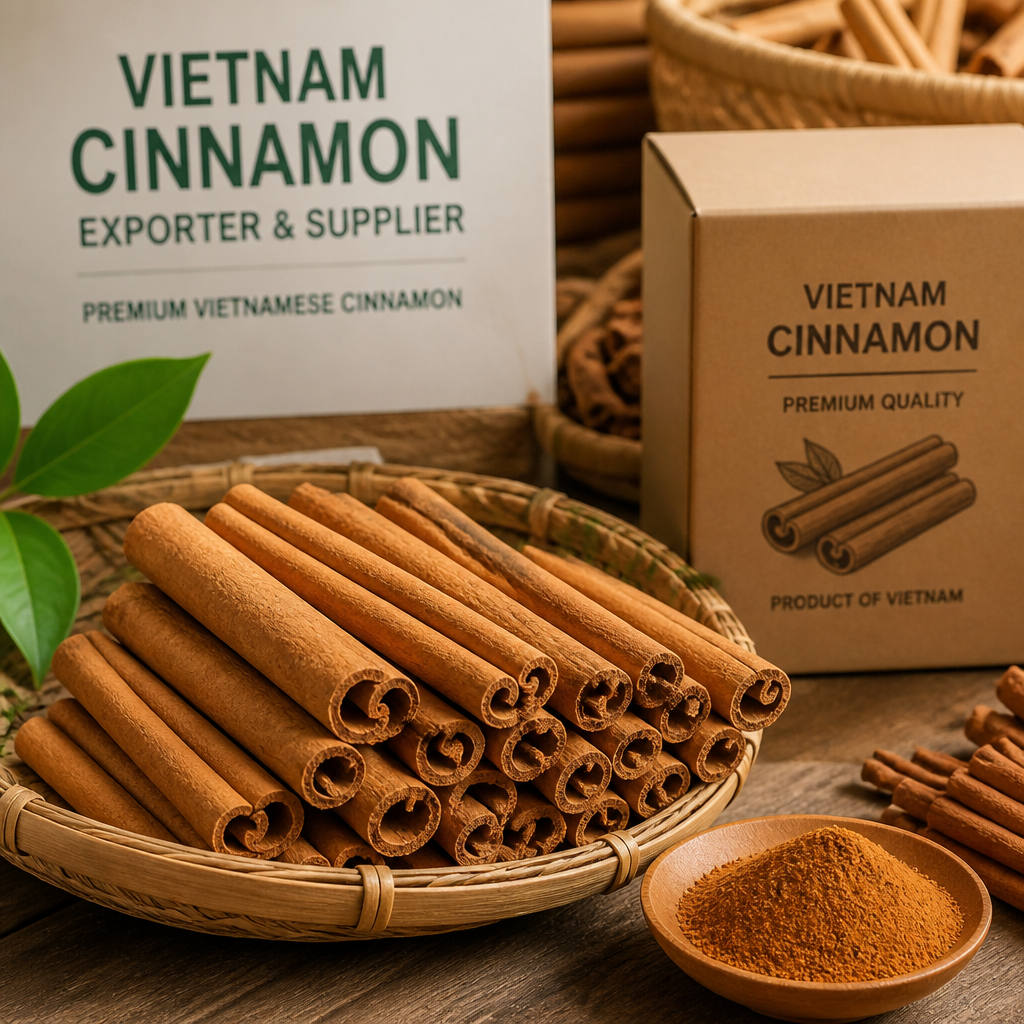
Vietnamese cinnamon, particularly the Cinnamomum loureiroi species, offers a range of transformative benefits that make it a standout choice for industries worldwide. One of the most notable advantages is its improved product flavor and aroma. Known for its high essential oil content, especially cinnamaldehyde, Vietnamese cinnamon provides a richer, more robust flavor profile. This characteristic not only enhances the taste of culinary creations but also elevates the sensory experience for consumers, making it a preferred choice for gourmet chefs and food manufacturers.
Beyond its flavor profile, Vietnamese cinnamon meets rigorous international standards such as HACCP and ISO. These certifications ensure that the cinnamon is processed under stringent quality control measures, guaranteeing safety and consistency. Compliance with these standards is crucial for businesses aiming to maintain a reputable standing in the global market, as it assures consumers and regulatory bodies of the product's quality and safety.
Another compelling benefit of Vietnamese cinnamon is its versatility in applications across the food and beverage industries. From spicing up savory dishes to adding warmth to beverages, its uses are extensive and varied. This versatility not only broadens the scope for culinary innovation but also allows businesses to cater to diverse consumer preferences. Whether used in traditional dishes or modern fusion cuisine, Vietnamese cinnamon's unique characteristics make it an invaluable ingredient.
"Opting for Vietnamese cinnamon ensures not only high standards of flavor and aroma but also adherence to international safety and quality benchmarks."
In conclusion, choosing Vietnamese cinnamon can greatly enhance a product's appeal and marketability. Its superior flavor, compliance with international standards, and versatile applications make it an essential choice for those in the food and beverage sectors. By incorporating this high-quality spice into their offerings, businesses can elevate their brand's reputation and meet the evolving demands of discerning consumers.
Why Import Vietnamese Cinnamon?
When it comes to sourcing cinnamon, consistency and quality are paramount. Vietnamese cinnamon, particularly from the species Cinnamomum loureiroi, offers unparalleled advantages that make it a compelling choice for importers worldwide. One of the standout features of Vietnamese cinnamon exports is the rigorous quality control measures in place. These measures ensure that every batch meets high standards, providing reliability that is crucial for maintaining product integrity. This consistency is particularly important for businesses looking to maintain a stable flavor profile in their products, avoiding the pitfalls of fluctuating quality that can affect consumer perception and brand reputation.
Moreover, Vietnamese cinnamon is accompanied by comprehensive documentation for EU market compliance. This is a significant advantage for businesses operating within the European Union, where stringent regulations govern food imports. The documentation not only facilitates smoother customs clearance but also ensures that the product adheres to the necessary health and safety standards. This compliance is a testament to the dedication of Vietnamese exporters to meet international standards, thereby widening the market reach for their cinnamon products.
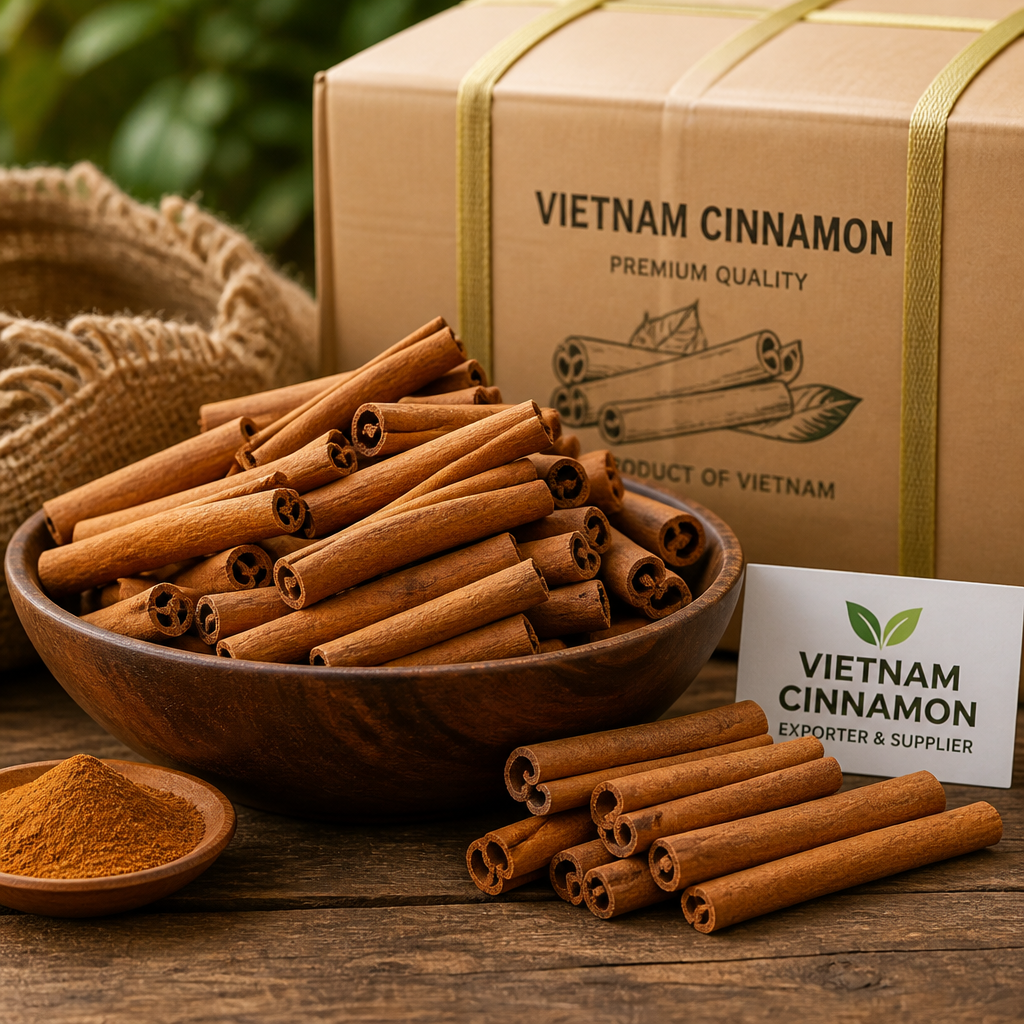
Another key benefit of importing Vietnamese cinnamon lies in the variety of export forms available. Whether you require cinnamon sticks, powder, or extracts, Vietnamese suppliers can accommodate diverse needs. This versatility allows businesses to choose the form that best suits their production processes and end products. For instance, cinnamon powder is ideal for baked goods and beverages, while extracts might be preferred in the pharmaceutical or cosmetic industries.
"Vietnam Cinnamon Exporter: Ensuring quality and compliance for a global market."
In summary, the consistent quality control, thorough documentation for EU compliance, and the variety of forms available make Vietnamese cinnamon an attractive option for importers. These factors not only enhance product quality but also ensure that businesses can confidently expand their offerings to meet consumer demand across various markets.
Take Action: Secure Your Supply of Vietnamese Cinnamon
As the demand for high-quality cinnamon continues to grow globally, it is crucial for businesses to establish a reliable supply chain. Sourcing from Vietnam, a prominent cinnamon exporter, offers numerous advantages, but requires careful consideration to ensure the best outcomes. Here are key steps to take action:
- ✅ Identify reputable Vietnamese exporters: Begin by researching and selecting exporters with a proven track record. Companies such as Viet Agri Wholesale and Cinnamon Vietnam are known for their quality products and consistent supply chains. Verifying their reputation through industry reviews and trade associations can help ensure reliability.
- ✅ Ensure certification for international markets: To meet global standards, it is vital that your supplier holds necessary certifications. Look for compliance with standards like HACCP and ISO, which are essential for ensuring safety and quality. Certification not only facilitates smoother market entry but also builds consumer trust.
- ✅ Evaluate forms and applications for your needs: Vietnamese cinnamon is available in various forms, including sticks, powder, and extracts. Assess which form best suits your product line and operational needs. For instance, if you are in the beverage industry, cinnamon extract might be more suitable due to its ease of integration into liquid products.
By carefully selecting a reputable exporter, ensuring appropriate certifications, and evaluating the forms of cinnamon that best meet your needs, you can secure a steady and quality supply of Vietnamese cinnamon. This strategic approach not only enhances product quality but also positions your brand favorably in a competitive marketplace.
Your Next Steps Towards Quality Cinnamon
Embarking on the journey to incorporate premium Vietnamese cinnamon into your product line requires strategic planning and careful evaluation. To ensure you are sourcing the best quality, follow these essential steps:
- Contact suppliers for samples: Begin by reaching out to reputable Vietnam Cinnamon Exporters. Acquiring samples is a crucial step to evaluate the quality firsthand. This allows you to assess the physical characteristics, aroma, and initial quality indicators before making a larger commitment.
- Assess essential oil content and purity: Once you have the samples, focus on determining the essential oil content, particularly cinnamaldehyde, which is a key component responsible for the distinct aroma and flavor of cinnamon. High essential oil content is a hallmark of Saigon cinnamon, grown in regions like Yen Bai and Lao Cai. Testing for purity ensures that the cinnamon meets the standards required for your product applications.
- Plan for integration into your product line: With quality and purity confirmed, strategize how this ingredient will be incorporated into your offerings. Consider the form of cinnamon that best suits your needs, whether it be sticks, powder, or extracts. This step is vital for ensuring that the introduction of Vietnamese cinnamon enhances your product's appeal and aligns with your brand's standards.
Each of these steps is integral to successfully integrating high-quality Vietnamese cinnamon into your business. By following this process, you not only ensure the quality of your products but also position your brand to meet consumer expectations and regulatory requirements effectively.