Vietnam Chili Powder Exporter provides high-quality bulk chili powder, meeting global demand with diverse options in heat levels, color, and purity standards.
Chili powder exhibits a diverse range of characteristics, including color, heat level, and mesh size. These variations are not just about aesthetics or texture; they play a crucial role in its function and utility in culinary practices worldwide. As a staple in many cuisines, chili powder is prized for its capacity to enhance flavor profiles, providing both heat and depth to dishes. Its versatility makes it essential in kitchens from Asia to Latin America, where it is used to season everything from soups to marinades.
The global demand for chili powder has been on the rise, fueled by its vital role in both traditional and modern culinary applications. Recent market analyses indicate that production is set to increase as more countries acknowledge its culinary potential and nutritional advantages. Vietnam, in particular, has become a significant player in this market, establishing itself as a leading exporter of chili powder. This growth is driven by the country's advantageous agricultural conditions and expertise in spice cultivation, allowing it to meet the growing demand while upholding high quality standards.
Color Characteristics of Chili Powder
The color of chili powder is a defining characteristic that significantly influences consumer perception and marketability. Several factors contribute to the coloration of chili powder, each playing a crucial role in determining its appeal and perceived quality.
Firstly, the variety of chili peppers used is a primary determinant of color. Different types of chili peppers, such as cayenne, paprika, or ancho, produce powders ranging from bright red to deep brown. For instance, cayenne pepper often results in a vibrant red powder, while ancho chilies yield a darker, more subdued hue. The maturity of the peppers at harvest also affects the color; fully ripened peppers tend to produce a richer, more intense color.
Another factor is the processing method. The drying and grinding processes can alter the color of the chili powder. High-temperature drying might lead to a darker color due to caramelization, while low-temperature drying preserves the original color of the peppers more effectively.
Moreover, the presence of additives or adulterants can impact the color. Some producers may add artificial colorants to enhance the appearance, though this practice can affect consumer trust and is often regulated.
The impact of color on quality perception cannot be overstated. Consumers often associate brighter, more vibrant colors with freshness and potency. A dull or uneven color might suggest age or inferior quality, potentially deterring buyers. This perception is crucial for exporters like those in Vietnam, as maintaining a consistent and appealing color can enhance market competitiveness.
Common color variations in chili powder include:
- 🔴 Bright Red: Often seen in powders made from cayenne or red jalapeños, indicating high capsaicin content and a strong flavor.
- 🟠 Orange-Red: Typically found in powders derived from paprika, offering a milder heat and a sweet undertone.
- 🟤 Dark Brown: Characteristic of ancho or chipotle powders, suggesting a smoky flavor profile.
Recognizing these color characteristics can assist Vietnam Chili Powder Exporters in choosing the appropriate varieties and processing methods to satisfy specific market demands, thereby boosting their product's appeal and consumer satisfaction.
Heat Level and Scoville Scale
Chili powder's heat level is a critical factor that influences its culinary application and consumer preference. The heat in chili powder is primarily determined by the presence of a compound called capsaicin. Capsaicin is the active component responsible for the pungency of chili peppers, and its concentration directly affects the spiciness of the chili powder.
To quantify the heat level, the Scoville Scale is widely used. This scale, developed by Wilbur Scoville in 1912, measures the pungency or heat of chili peppers through Scoville Heat Units (SHU). The scale ranges from zero, which represents no heat, to over two million SHU for the hottest peppers known, such as the Carolina Reaper.
In the context of chili powder, the Scoville Scale provides a standardized method to evaluate and compare the heat levels of different products. For instance, a mild chili powder might measure around 500 to 1,000 SHU, whereas a hotter variety could reach 20,000 SHU or more. This measurement is crucial for consumers and chefs alike, as it helps them select the appropriate chili powder to suit their culinary needs and heat tolerance.
"Understanding the Scoville Scale is essential for anyone looking to master the art of spice in cooking," says a representative from a leading Vietnam Chili Powder Exporter.
By utilizing the Scoville Scale, suppliers and exporters from Vietnam can accurately market their chili powder products to meet the diverse demands of international markets. This not only enhances the product's appeal but also ensures consistency in heat levels, which is vital for maintaining quality and customer satisfaction.
Mesh Size in Chili Powder
Mesh size is a critical specification in the production and application of chili powder. It refers to the number of openings per inch in a screen used to sift the powder. The mesh size determines the fineness of the chili powder, which in turn affects its texture and suitability for various culinary applications.
The importance of mesh size in chili powder cannot be overstated. A finer mesh size results in a smoother powder, which is ideal for applications where a uniform texture is desired, such as in sauces and soups. Conversely, a coarser mesh size may be preferred in dishes where a more robust texture is beneficial, such as in dry rubs or seasoning blends.
Common mesh sizes used in the chili powder industry typically range from 20 to 60 mesh. A 20 mesh powder is relatively coarse, providing a gritty texture that can add a distinct mouthfeel to certain dishes. On the other hand, a 60 mesh powder is much finer, allowing for a more seamless integration into liquid-based recipes.
"The choice of mesh size can significantly influence the culinary outcome, making it an essential consideration for chefs and manufacturers alike."
Grasping the significance of mesh size and its effect on the final product is essential for any Vietnam Chili Powder Exporter. By choosing the right mesh size, exporters can address diverse market needs and ensure their products meet the quality expectations of various culinary traditions globally.
Purity Standards
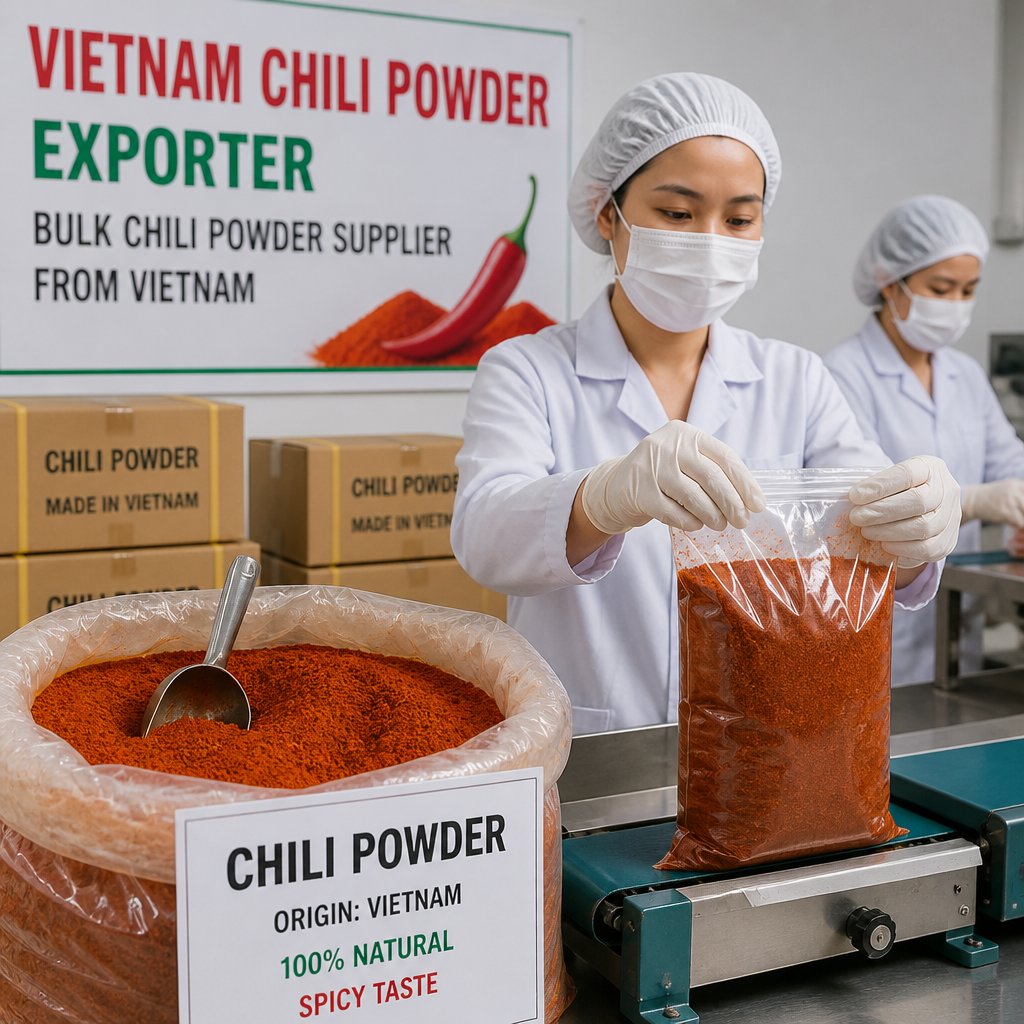
Ensuring the purity of chili powder is crucial for maintaining its quality and safety, especially for a Vietnam Chili Powder Exporter aiming to compete in the global market. Purity in chili powder refers to the absence of any foreign substances or adulterants that can affect its quality, safety, and flavor. Pure chili powder should ideally consist only of dried and ground chili peppers, without any additives or contaminants.
However, common adulterants can sometimes find their way into chili powder. These include substances like artificial colors, starches, and even brick powder, which are used to cut costs or enhance the color artificially. Such adulterants not only degrade the quality but can also pose health risks to consumers. Identifying and eliminating these impurities is essential for maintaining the integrity of the product.
- 🔍 Artificial Colors: Used to enhance the red hue but can mislead consumers about the product's natural quality.
- 🔍 Starches: Added to bulk up the powder, reducing the concentration of actual chili content.
- 🔍 Brick Powder: A hazardous adulterant that can cause serious health issues.
To ensure the purity of chili powder, several methods are employed by manufacturers. One of the primary methods is through rigorous quality control testing, which includes chemical analysis to detect any non-chili substances. Advanced technologies like High-Performance Liquid Chromatography (HPLC) and Gas Chromatography-Mass Spectrometry (GC-MS) are often utilized to identify and quantify the presence of adulterants.
Moreover, adherence to internationally recognized standards such as the ISO 22000 for food safety management systems helps in maintaining high purity levels. Regular audits and inspections by third-party organizations also play a significant role in ensuring compliance with these standards.
"Maintaining the purity of chili powder is not just a regulatory requirement but a commitment to consumer safety and product excellence."
By implementing these stringent purity standards, Vietnam chili powder exporters can assure their customers of the product's authenticity and quality, thereby strengthening their position in the competitive global market.
Microbiological Specifications
Ensuring the microbiological safety of chili powder is paramount for any Vietnam Chili Powder Exporter. This aspect is crucial not only for maintaining product quality but also for safeguarding consumer health. Microbial contamination can lead to severe health issues and compromise the integrity of the product, making it essential to adhere to stringent microbiological specifications.
Common microbial contaminants in chili powder include Salmonella, Escherichia coli (E. coli), and Staphylococcus aureus. These microorganisms can cause foodborne illnesses if not properly controlled. For instance, Salmonella is a notorious pathogen that can lead to severe gastrointestinal distress, and its presence in food products is a significant concern for both consumers and regulatory bodies.
To mitigate these risks, the industry follows rigorous standards and testing protocols. One such standard is the ISO 22000, which specifies the requirements for a food safety management system. This standard helps organizations ensure that they control food safety hazards to provide safe products for consumption. In addition, the HACCP (Hazard Analysis and Critical Control Points) system is widely implemented to identify and manage potential hazards in food production processes.
"According to a report by the International Organization for Standardization (ISO), adherence to microbiological standards can reduce foodborne illness outbreaks by up to 30%."
Testing for microbial contaminants is a critical component of these safety measures. Advanced techniques such as polymerase chain reaction (PCR) and enzyme-linked immunosorbent assay (ELISA) are employed to detect pathogens with high accuracy. These methods allow for rapid and reliable testing, ensuring that any contaminated batch is identified and dealt with promptly, thereby protecting consumers and maintaining the reputation of exporters.
Ultimately, by following these microbiological specifications and implementing rigorous testing methods, Vietnam chili powder exporters can guarantee the safety and quality of their products, thus meeting both industry standards and consumer expectations.
Packaging Options
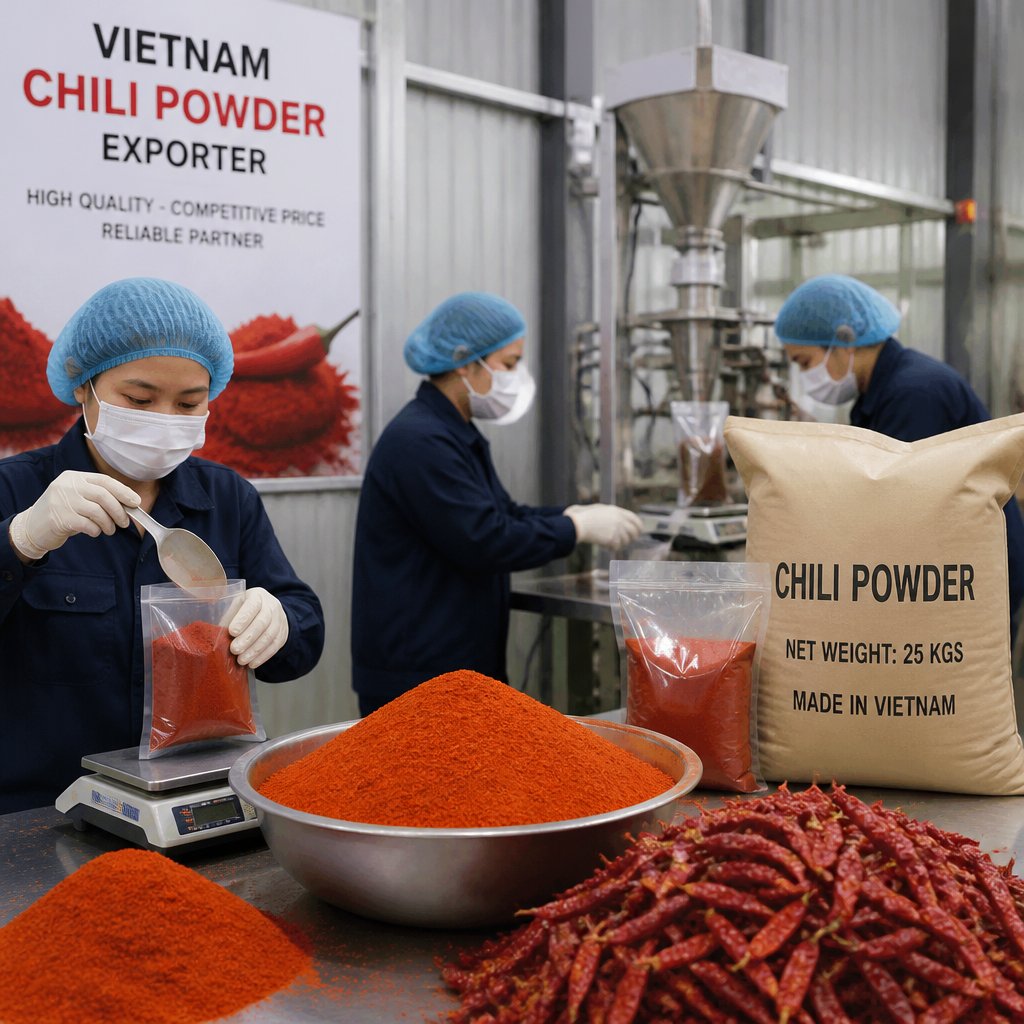
When it comes to packaging options for chili powder, the choices made can significantly influence both the shelf life and quality of the product. The Vietnam Chili Powder Exporter, a key player in the global spice market, utilizes several types of packaging to meet diverse consumer needs and ensure product integrity.
- 💡 Types of Packaging Used: The most commonly used packaging types include poly bags, laminated pouches, and bulk containers. Poly bags are lightweight and cost-effective, making them ideal for smaller quantities. Laminated pouches, on the other hand, offer superior barrier properties against moisture and oxygen, which are crucial for preserving the flavor and heat of chili powder. For bulk supply, large containers such as drums or totes are used, providing durability and ease of transport.
- ⚡ Impact on Shelf Life and Quality: Packaging plays a pivotal role in extending the shelf life of chili powder. Laminated pouches, for instance, can significantly reduce exposure to air and light, both of which can degrade the quality of the spice over time. By maintaining an optimal environment, these packaging options help retain the vibrant color and potent heat levels that are essential for consumer satisfaction.
- ✅ Considerations for Bulk Supply: When supplying chili powder in bulk, it is vital to consider factors such as transportation, storage, and potential contamination risks. Bulk containers must be robust enough to withstand handling and environmental conditions during transit. Additionally, ensuring that the packaging is compliant with international food safety standards is crucial for maintaining product quality and safety during export.
"The choice of packaging not only affects the shelf life but also impacts the perceived quality of the chili powder, making it a critical consideration for exporters," notes a representative from the Vietnam Chili Powder Exporter.
In conclusion, selecting the appropriate packaging is a strategic decision that impacts both the marketability and longevity of chili powder. By leveraging various packaging technologies, the Vietnam Chili Powder Exporter ensures that their products meet the highest standards of quality and safety, catering to the diverse needs of the global market.
OEM and Bulk Supply
The concept of OEM (Original Equipment Manufacturer) plays a pivotal role in the chili powder industry, particularly for businesses looking to expand their product lines without investing heavily in production facilities. An OEM is a company that produces parts or products for another company, which then sells the final product under its own brand name. This practice allows companies to focus on branding and marketing, while the OEM handles the manufacturing process. In the context of chili powder, an OEM might produce chili powder that is then packaged and sold by another company under its own label.
There are several benefits of bulk supply for both manufacturers and buyers. For manufacturers, producing in bulk can lead to economies of scale, reducing the cost per unit of chili powder. This cost efficiency can be passed on to buyers, making bulk purchases economically attractive. Additionally, bulk supply ensures a steady availability of product, which is crucial for businesses that rely on consistent inventory levels to meet customer demand.
For buyers, purchasing in bulk can result in significant savings, especially for businesses that use large quantities of chili powder, such as food manufacturers and restaurant chains. Buying in bulk also reduces the frequency of orders, which can decrease shipping costs and administrative overhead. Furthermore, bulk purchases often come with the flexibility to customize the product specifications, such as heat level or mesh size, to better suit specific needs.
In the industry, common practices related to OEM and bulk supply include establishing long-term partnerships between manufacturers and buyers. Such partnerships can lead to more favorable contract terms and better quality control, as both parties work closely to ensure that the product meets the required standards. Additionally, manufacturers often invest in advanced production technologies to increase efficiency and maintain high-quality standards, which benefits all parties involved.
"The ability to offer customized, high-quality chili powder at competitive prices is a key advantage for any Vietnam Chili Powder Exporter operating in today's global market."