Vietnam Chickpea Exporter offers high-quality chickpeas that meet global standards, catering to the rising demand for nutritious plant-based ingredients in food manufacturing.
Chickpeas, scientifically known as Cicer arietinum, have emerged as a versatile and indispensable staple in diets around the world. These legumes are celebrated not only for their rich nutritional profile, being an excellent source of protein and fiber, but also for their adaptability to a wide range of culinary traditions. From the creamy and smooth hummus of the Middle East to the spicy and flavorful chana masala of India, chickpeas have found a place in the heart of numerous cuisines, showcasing their ability to enhance both taste and nutritional value in a myriad of dishes.
Chickpeas hold a significant place in global diets, especially as a vital component in vegetarian and vegan meals. They provide essential nutrients that are often difficult to obtain without consuming animal products. This nutritional benefit has led to their growing popularity in Western countries, where the plant-based food movement is rapidly expanding. A report by the Food and Agriculture Organization highlights the global rise in chickpea demand, with India, Australia, and Turkey as leading producers. Yet, the interest in chickpeas extends beyond these regions. In North America and Europe, the trend towards sustainable and healthy eating habits has further increased demand, making chickpeas an integral part of the shift towards plant-based diets.
Chickpeas are increasingly popular due to their adaptability to various agricultural environments. They flourish in semi-arid climates, making them an ideal crop for regions with water scarcity. This resilience aids food security in developing areas and bolsters the global supply chain, ensuring chickpeas remain available to food manufacturers worldwide. As sustainable agriculture and diverse diets gain traction globally, chickpeas' role as a versatile and nutritious legume is poised to grow even more.
Understanding Chickpea Specifications
In the realm of chickpeas, understanding the specific characteristics of this versatile legume is crucial for both producers and consumers. These specifications not only determine the quality and usability of chickpeas but also influence their market value. Let's delve into the key aspects of chickpea specifications: size, purity levels, and moisture content standards.
Chickpea Sizes and Their Uses
Chickpeas come in various sizes, typically classified into categories such as small, medium, and large. Each size serves different purposes in culinary and industrial applications. Large chickpeas, often referred to as 'Kabuli', are popular in salads and hummus due to their creamy texture and aesthetic appeal. Medium-sized chickpeas strike a balance between size and texture, making them ideal for stews and soups. Small chickpeas, known as 'Desi', are commonly used in flour production due to their high nutritional content and ability to grind easily.
Purity Levels and Their Significance
The purity level of chickpeas is a critical factor that affects both quality and marketability. Purity is determined by the percentage of chickpeas in a batch that meet the desired size, shape, and color specifications. High purity levels, often above 98%, are essential for premium products and can significantly influence pricing. For example, chickpeas with a purity level of 99% are sought after in high-end markets where quality is paramount. Lower purity levels may contain more foreign materials or substandard chickpeas, which can affect processing and final product quality.
Moisture Content Standards
Moisture content is another vital specification that affects the storage and quality of chickpeas. The standard moisture content for chickpeas is typically around 12-14%. Maintaining this moisture level is crucial as it affects the chickpeas' shelf life and susceptibility to spoilage. Excessive moisture can lead to mold growth and degradation, while too little moisture can cause the chickpeas to become brittle and difficult to process. Ensuring the correct moisture content is a key consideration for exporters like the Vietnam Chickpea Exporter, who must adhere to international standards to maintain product quality and market competitiveness.
"Achieving the right balance in chickpea specifications is essential for meeting the demands of global markets and ensuring product quality," says a leading expert in the chickpea trade.
Understanding these specifications allows producers and consumers to make informed decisions about the sourcing, processing, and utilization of chickpeas. As global demand continues to rise, these factors become increasingly significant in the chickpea trade.
Sorting and Packaging Processes
The sorting and packaging processes are critical stages in the operations of any Vietnam Chickpea Exporter, ensuring that the quality of chickpeas meets international standards. Proper sorting and packaging not only maintain the integrity of the product but also enhance its market value and consumer appeal.
Sorting Methods
Sorting chickpeas involves several methods to ensure that only the best quality legumes are selected for export. The process typically begins with mechanical sorting, where chickpeas are passed through sieves and screens to separate them based on size. This step is crucial because different sizes cater to various market needs and culinary uses. For instance, larger chickpeas are preferred for salads and snacks, while smaller ones might be used in soups and stews.
Following mechanical sorting, optical sorting is employed. This advanced technology uses cameras and sensors to detect and remove chickpeas with discoloration or defects, ensuring a high level of purity. Optical sorting is particularly important for maintaining the aesthetic quality of chickpeas, which can influence consumer purchasing decisions.
Packaging Techniques
Once sorted, chickpeas are packaged using various techniques designed to preserve their quality during storage and transportation. The most common packaging methods include:
- Vacuum Packaging: This method removes air from the package, reducing the risk of oxidation and extending the shelf life of chickpeas. It's particularly useful for maintaining freshness over long shipping durations.
- Modified Atmosphere Packaging (MAP): By altering the atmospheric composition inside the packaging, MAP helps in slowing down the degradation process, thus preserving the chickpeas' quality and nutritional value.
- Bulk Packaging: For large-scale exports, chickpeas are often packed in bulk bags or containers. This method is cost-effective and efficient for handling large volumes, although it requires careful handling to prevent damage.
Importance of Proper Packaging
Proper packaging is paramount for quality preservation. It acts as a barrier against environmental factors such as moisture, light, and pests, all of which can compromise the chickpeas' quality. For example, exposure to moisture can increase the risk of mold, while light can lead to nutrient degradation. Ensuring that chickpeas are adequately protected during shipping is essential for maintaining their nutritional integrity and taste, which are key selling points in the global market.
"Effective sorting and packaging are the backbone of a successful chickpea export operation, ensuring that products reach the market in optimal condition."
In conclusion, the meticulous sorting and innovative packaging techniques employed by Vietnam Chickpea Exporters are crucial for delivering high-quality chickpeas to international markets. These processes not only uphold the product's quality but also bolster the reputation of Vietnamese chickpeas in the global food industry.
Diverse Applications of Chickpeas
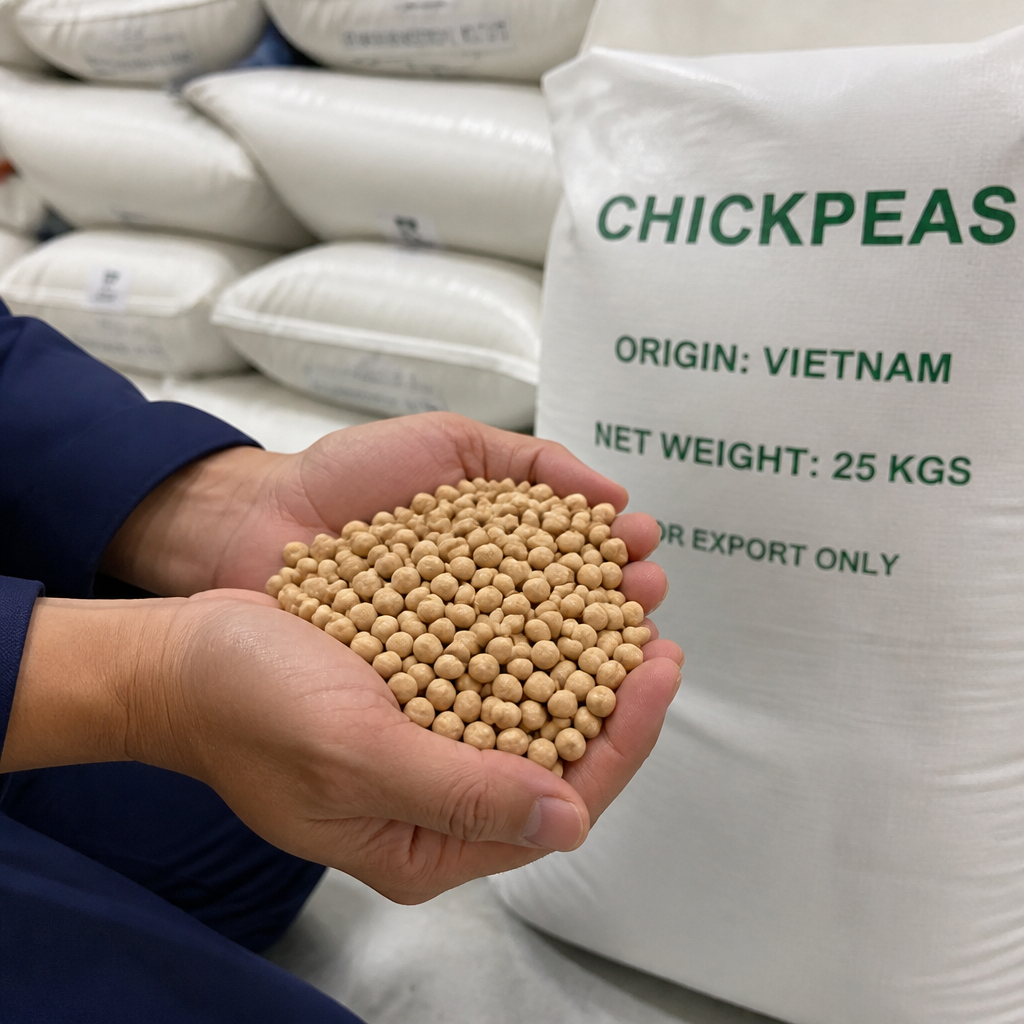
Chickpeas, also known as garbanzo beans, are celebrated not only for their culinary versatility but also for their significant nutritional benefits. These legumes are packed with essential nutrients, making them a staple in various diets worldwide. Rich in protein, fiber, and essential vitamins such as folate and iron, chickpeas are particularly beneficial for those looking to maintain a balanced diet. Their high protein content makes them an excellent meat substitute, which is crucial for plant-based and vegan diets.
In the culinary world, chickpeas are a cornerstone ingredient in numerous dishes. From the Middle Eastern hummus and falafel to Indian curries and Mediterranean salads, chickpeas offer a nutty flavor and a satisfying texture that enhances a wide array of recipes. Their ability to absorb and complement different spices and flavors makes them a favorite among chefs and home cooks alike.
Beyond the kitchen, chickpeas have found their place in various industrial applications. Chickpea flour, for instance, is a popular gluten-free alternative used in baking and as a thickening agent in sauces and soups. The versatility of chickpea derivatives extends to the production of snacks, where roasted chickpeas provide a crunchy, healthy alternative to traditional fried snacks.
In plant-based and vegan diets, chickpeas are essential due to their high protein content, supporting muscle growth and repair. Their popularity has surged with increasing health and environmental awareness. Incorporating chickpeas into these diets not only fulfills nutritional requirements but also promotes sustainable food practices, as they require less water and land than animal-based proteins.
"Chickpeas are not just a food item; they are a powerhouse of nutrition and versatility, driving innovation in both culinary and industrial sectors."
As the demand for plant-based foods continues to rise, the role of chickpeas as a versatile and sustainable ingredient becomes increasingly significant. The Vietnam Chickpea Exporter, among other suppliers, is well-positioned to meet this growing demand, providing high-quality chickpeas that cater to diverse applications across the globe.
Supply Options and Market Considerations
As a prominent Vietnam Chickpea Exporter, understanding the supply options and market considerations is crucial for both suppliers and buyers in the chickpea trade. This section delves into the key aspects of Minimum Order Quantity (MOQ) requirements, bulk supply options and logistics, as well as the challenges and opportunities that define the chickpea market.
Firstly, the Minimum Order Quantity (MOQ) requirements play a significant role in trade negotiations. For many suppliers, setting an appropriate MOQ is essential to ensure profitability while maintaining competitive pricing. Typically, chickpea suppliers establish MOQs based on factors such as production capacity, shipping logistics, and market demand. By doing so, they can optimize their operations and reduce costs, benefiting both the supplier and the buyer.
When it comes to bulk supply options and logistics, Vietnam has made significant strides. The country's strategic location in Southeast Asia provides an advantageous position for exporting chickpeas to major markets such as China, India, and the Middle East. Efficient logistics networks, including well-developed ports and transportation infrastructure, facilitate the smooth movement of large quantities of chickpeas. This logistical efficiency not only reduces shipping times but also minimizes costs, making Vietnam a competitive player in the global chickpea market.
However, the chickpea trade is not without its challenges. One of the primary challenges is the fluctuation in global demand and supply, influenced by factors such as climate change and agricultural policies. For instance, adverse weather conditions can significantly impact chickpea yields, leading to supply shortages and price volatility. Additionally, trade policies and tariffs imposed by importing countries can affect market dynamics, sometimes creating barriers for exporters.
Despite these challenges, there are numerous opportunities for growth in the chickpea market. The rising trend of plant-based diets and the increasing demand for protein-rich foods have bolstered the popularity of chickpeas worldwide. This surge in demand presents an opportunity for Vietnam to expand its market share by catering to health-conscious consumers and food manufacturers seeking sustainable and nutritious ingredients.
"Vietnam's strategic position and efficient logistics make it a formidable competitor in the global chickpea trade."
In conclusion, navigating the supply options and market considerations in the chickpea trade requires a keen understanding of MOQs, logistics, and market dynamics. By leveraging its geographical advantages and adapting to market trends, Vietnam can continue to establish itself as a leading supplier in the chickpea industry.
Call to Action: Embracing Chickpeas
As we delve into the world of chickpeas, it's clear that this humble legume offers a wealth of opportunities waiting to be explored. For businesses and individuals alike, the time is ripe to consider the vast potential that chickpeas hold, not just as a food staple but as a burgeoning market opportunity.
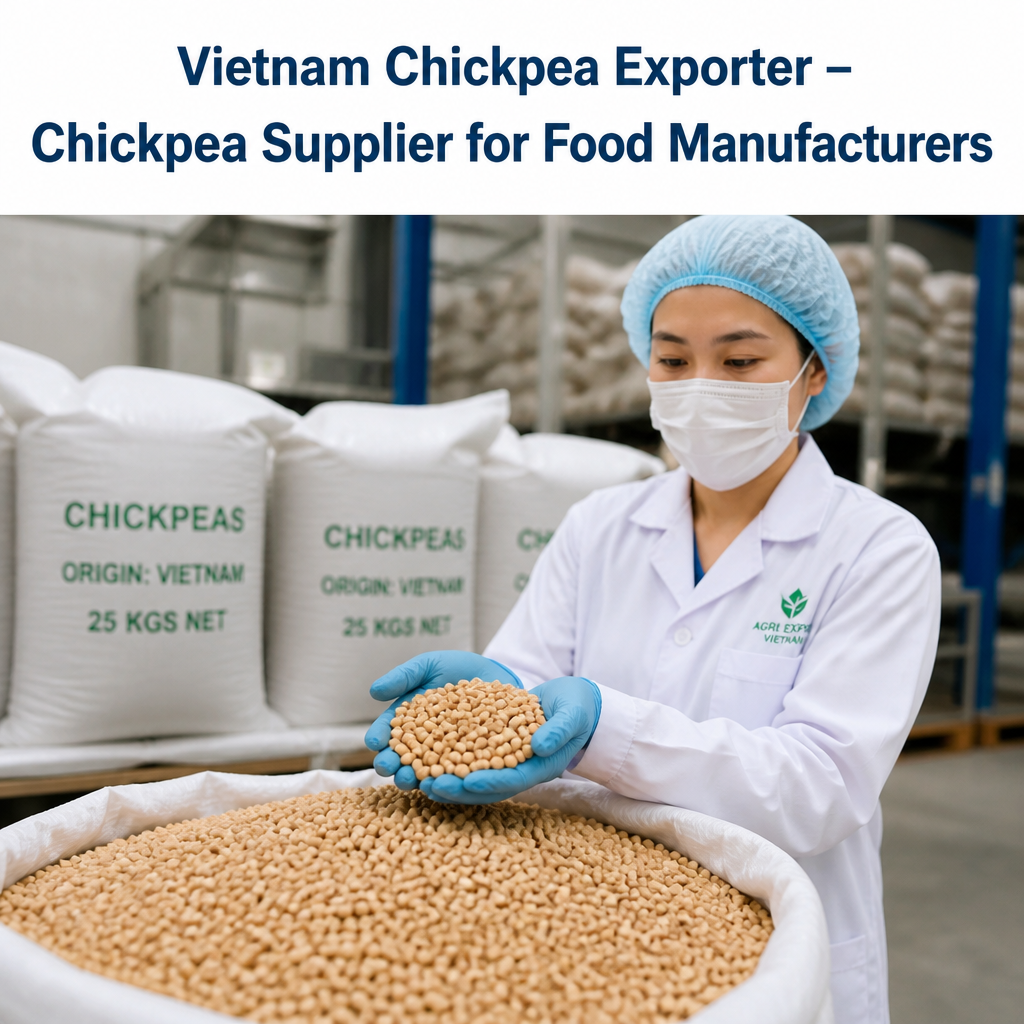
Firstly, there's an invitation to explore the diverse range of chickpea products available. From traditional uses in hummus and falafel to innovative applications in snacks and plant-based protein products, chickpeas are making waves in the culinary world. This versatility is not only a boon for consumers but also for manufacturers looking to diversify their product lines. The Vietnam Chickpea Exporter, among others, is at the forefront of supplying high-quality chickpeas to meet this growing demand.
Moreover, the business landscape for chickpeas is ripe with potential. The global demand for plant-based foods continues to climb, driven by health-conscious consumers and environmental considerations. This trend presents a lucrative opportunity for entrepreneurs and established companies to capitalize on. By tapping into this market, businesses can position themselves as leaders in the sustainable food movement, potentially increasing their market share and brand recognition.
For those keen on exploring further, researching chickpea cultivation, processing, and market trends is advisable. Gaining insights into chickpea specifications, sorting, and packaging can optimize supply chains and improve product quality. Moreover, staying updated on market conditions, including Minimum Order Quantity (MOQ) requirements and logistical factors, can support informed business decisions.
"The future is bright for those willing to innovate and adapt within the chickpea market."
In conclusion, embracing chickpeas is not merely about adding a new product to your portfolio; it's about engaging with a dynamic and evolving market that promises growth and sustainability. Whether you're a food manufacturer, retailer, or investor, the chickpea industry offers a fertile ground for exploration and success.