Vietnam Cassia Exporter offers high-quality cassia products, including thick sticks and fine powder, known for their rich flavor and versatility in global markets.
Cassia products have long been a staple in the global spice market, offering a range of forms such as cassia sticks, broken cassia, and cassia powder, each with its unique benefits and applications. These products are known for their quality and versatility, making them indispensable in both culinary and industrial contexts worldwide.
Cassia sticks are particularly valued for their robust thickness and durability. They release a rich flavor gradually, which is why they are often preferred in slow-cooked dishes where the spice can infuse its aroma over time. The thickness of these sticks, ranging from 2.5mm to 3.5mm, is a critical quality marker that impacts their usability and flavor profile.
Broken cassia, often a byproduct of processing whole sticks, is also highly appreciated for its versatility. The smaller size of broken cassia makes it easy to use in various applications, including the production of essential oils and extracts. These broken pieces are distilled to release potent oils, which are then used in a variety of products, from perfumes to food flavorings. This approach maximizes the utility of the cassia harvest and supports a zero-waste approach in the industry.
Cassia powder, known for its fineness, is another vital product in the cassia supply chain. Produced by grinding cassia sticks into a fine, smooth consistency, it is essential for baking, cooking, and spice blends. Its fine nature allows it to integrate seamlessly into recipes, enhancing flavors without altering the texture. This form of cassia is particularly popular in pre-packaged spice blends and instant seasoning mixes, which are seeing increased demand globally.
The superior quality and adaptability of cassia products make them highly desirable among chefs and manufacturers worldwide. Cassia of high quality is characterized by its abundant oil content, which boosts its aromatic qualities and guarantees a longer shelf life. This feature is essential for preserving the spice's potency over time, a crucial aspect for both home cooks and commercial buyers. The demand for cassia products is notably strong in the spice blends sector, where their potential health benefits, such as aiding digestion and reducing inflammation, are highly appreciated. According to a report by the International Trade Centre, the global demand for spices, including cassia, is on the rise, fueled by a growing interest in ethnic cuisines and natural flavorings.
Visualizing the Cassia Supply Chain
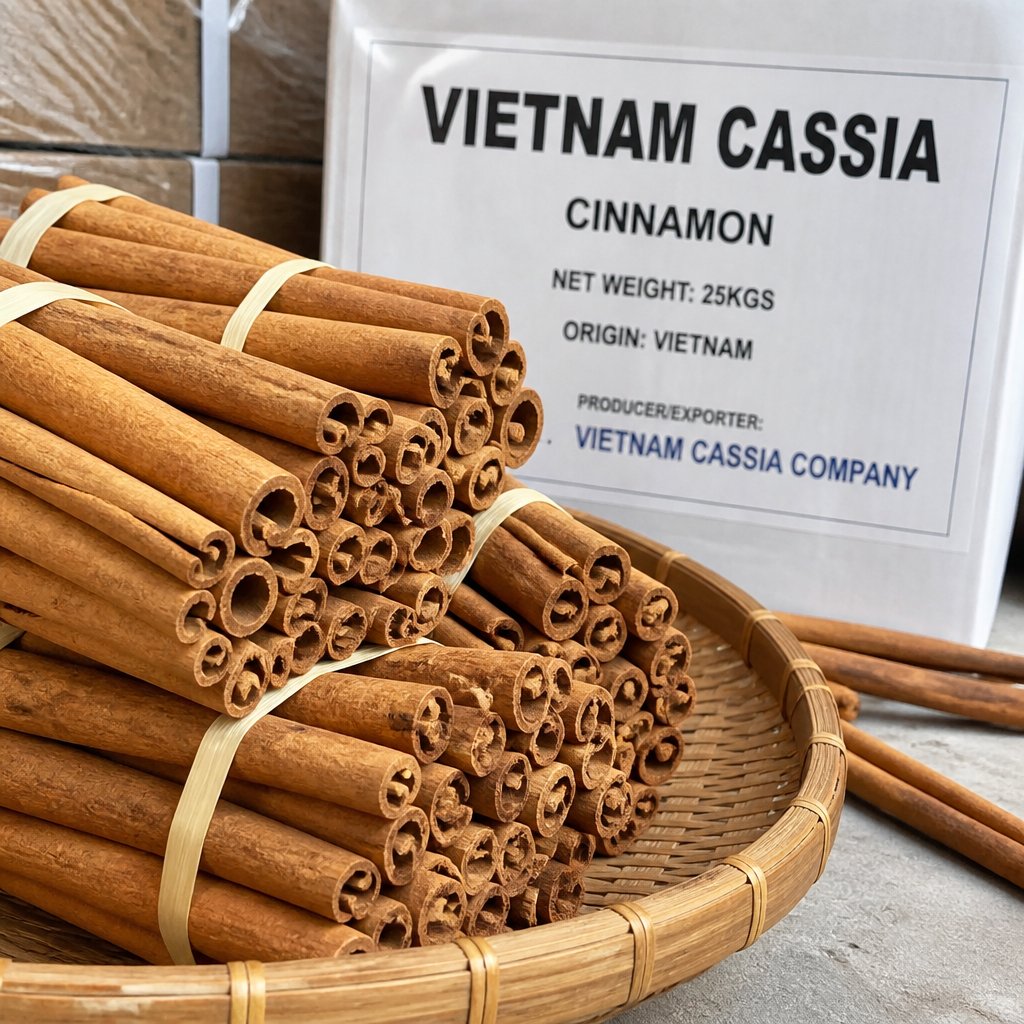
To comprehend the cassia supply chain, one must closely examine the products themselves. Cassia sticks are generally dark brown, featuring a rough exterior and a smoother interior. Their appearance is not just for show; it signifies their quality. Premium cassia sticks are marked by their consistent thickness and minimal breakage, which ensures a uniform flavor profile crucial for both culinary and medicinal applications.
Moving further along the supply chain, we encounter broken cassia. This form of cassia undergoes meticulous sorting and grading. It finds its place in various applications due to its strong flavor and aroma. According to the Food and Agriculture Organization, essential oils derived from cassia are used in a variety of products, underscoring their versatility.
Another vital product in the cassia supply chain is cassia powder. The fineness of cassia powder is a critical quality indicator. It is produced by grinding the cassia sticks into a fine, smooth consistency, which is crucial for its use in baking, cooking, and spice blends. The powder's versatility is unmatched, as it seamlessly integrates into recipes, enhancing flavors without altering texture. Its fine nature also allows for even distribution in spice mixes, ensuring that every bite delivers the intended taste. This form of cassia is particularly popular in the production of pre-packaged spice blends and instant seasoning mixes, which are seeing increased demand globally.
"The quality of cassia products is not only in their appearance but also in their processing and final application," notes a leading Vietnam Cassia Exporter.
Recognizing these aspects of the cassia supply chain illuminates the careful processes involved in converting raw cassia into versatile products. This understanding emphasizes the quality and usefulness of cassia and highlights the importance of selecting a reputable supplier to ensure the highest standards are maintained throughout every stage of production.
Understanding Cassia Specifications
Evaluating the quality of cassia cinnamon involves understanding specific standards and criteria crucial for both suppliers and buyers. These specifications ensure product consistency and impact the overall flavor and shelf life of the spice. Let's delve into the key aspects that define cassia specifications.
- Thickness of Cassia Sticks: Industry standards dictate that the thickness of cassia sticks plays a significant role in determining their quality and usability. Thicker sticks are often preferred for their robust flavor and are more suitable for grinding into powder, which is a crucial consideration for manufacturers looking to produce high-quality cassia powder.
- Oil Content: The oil content in cassia is a critical factor in assessing its quality. High oil content is indicative of a more intense aroma and flavor, which is why it is highly sought after in the spice market. The essential oil content can vary significantly, with premium cassia containing up to 5% oil by weight. This high oil content not only enhances the sensory attributes of the spice but also increases its market value, making it a key consideration for exporters and buyers alike. According to a study by the American Spice Trade Association, spices with higher oil content are often preferred by consumers for their enhanced flavor profiles.
- Moisture Levels: Moisture content is another vital specification that affects both the shelf life and flavor of cassia. Ideally, cassia should have a moisture content of less than 12% to prevent mold growth and ensure a longer shelf life. Excess moisture can lead to a deterioration in flavor and a reduction in the spice's overall quality. Therefore, maintaining optimal moisture levels during storage and transportation is essential for preserving the integrity of the product. The European Spice Association provides guidelines on moisture levels to help exporters meet international standards.
Understanding these specifications helps Vietnam Cassia Exporters maintain a competitive edge in the global spice market by ensuring their products meet the high standards expected by international buyers. By adhering to these industry standards, suppliers can guarantee a consistent, high-quality product that satisfies the diverse needs of their clientele.
Packaging and Bulk Supply Options
When it comes to exporting cassia products, having versatile packaging options is crucial to meet the diverse needs of global markets. Vietnamese cassia exporters offer a range of packaging solutions tailored to different customer requirements. These options include small retail packages, typically ranging from 50g to 500g, which are ideal for direct consumer sales. For larger orders, cassia can be packed in bulk bags of up to 25kg. This flexibility in packaging allows suppliers to cater to both individual consumers and large-scale businesses.
Bulk supply offers significant advantages for businesses looking to purchase cassia in large quantities. By opting for bulk orders, businesses can benefit from reduced costs per unit, making it a cost-effective choice for companies that require large volumes of cassia for production or resale. Additionally, bulk purchasing reduces the frequency of orders, leading to savings in shipping and handling costs over time. According to industry reports, bulk purchasing can reduce costs by up to 20%, making it an attractive option for large-scale operations.
The logistics involved in cassia export and supply chain management are another critical aspect of the trade. Efficient logistics ensure that cassia products are delivered promptly and in optimal condition. Vietnamese cassia exporters have developed robust supply chain networks that include efficient warehousing, reliable transportation, and meticulous documentation processes. These logistics capabilities are essential for maintaining the quality and freshness of cassia during transit, ensuring that it meets international standards upon arrival.
"Vietnam's strategic geographical location and well-developed logistics infrastructure make it a key player in the global cassia trade," says a representative from a leading Vietnam Cassia Exporter.
In summary, the diverse packaging options, benefits of bulk supply, and strong logistics capabilities make Vietnamese cassia exporters well-equipped to meet the demands of the global market. These elements not only enhance the appeal of Vietnamese cassia but also reinforce its position as a reliable choice for businesses worldwide.
Proving the Quality of Vietnamese Cassia
Vietnam has firmly established itself as a leading exporter of cassia, a position that speaks volumes about the quality and reliability of its products. The country's favorable climate and fertile soil contribute to the production of cassia that meets high international standards, making it a preferred choice for spice importers worldwide.
One of the key indicators of Vietnam's success in the cassia market is the positive feedback from global customers. Testimonials from international buyers consistently highlight the superior quality and rich aroma of Vietnamese cassia. For instance, a major spice importer from Germany praised the "consistently high oil content and perfect moisture levels" of Vietnamese cassia, underscoring its suitability for various culinary applications. Such reviews are not isolated; they reflect a broader trend of satisfaction among buyers who prioritize quality and reliability.
Ensuring this level of quality is no accident. Vietnam's cassia producers employ rigorous quality assurance processes throughout the production cycle. This includes meticulous selection of raw materials, adherence to industry standards in thickness and oil content, and stringent moisture control to enhance shelf life and flavor. These processes are essential not only for maintaining product quality but also for building trust with international partners. The country's commitment to quality is further evidenced by its compliance with certifications such as ISO 22000 and HACCP, which guarantee food safety and quality management.
"Vietnamese cassia stands out for its unique combination of flavor, aroma, and quality assurance," noted a leading spice trader from the United States.
Such endorsements and systematic quality checks are crucial for Vietnam's reputation as a top cassia exporter. They not only reinforce the country's standing in the global spice market but also provide assurance to potential buyers about the reliability and excellence of Vietnamese cassia products.
Take Action: Choosing the Right Cassia Supplier
Selecting the right supplier is a critical step in ensuring the quality and reliability of your cassia products. With Vietnam being a leading exporter of cassia, businesses have a wealth of options to choose from. However, making the right choice requires careful consideration of several key factors.
- ✅ Quality Assurance: Ensure the supplier adheres to high-quality standards. This includes checking for certifications such as ISO or HACCP, which indicate a commitment to quality and safety in production.
- ✅ Reputation and Experience: Look for suppliers with a proven track record. Established companies like Vietnam Cassia Exporter have years of experience and numerous positive reviews from international clients.
- ✅ Product Range: A diverse product range indicates a supplier's capability to meet various needs. Ensure they offer cassia in different forms such as sticks, broken pieces, and powder.
- ✅ Pricing and Terms: Compare pricing structures and payment terms. Competitive pricing should not compromise quality, and flexible terms can help manage cash flow.
- ✅ Logistics and Delivery: Efficient logistics are vital for timely delivery. Check if the supplier offers reliable shipping options and has a robust supply chain network.
Once you've shortlisted potential suppliers, the next step is to establish contact and negotiate terms. Here’s a straightforward approach:
- 💬 Initial Contact: Reach out via email or professional networking platforms like LinkedIn. Introduce your business and express interest in their cassia products.
- 💬 Request Information: Ask for detailed product catalogs, pricing, and any available samples. This helps assess the quality and suitability of their offerings.
- 💬 Negotiate Terms: Discuss pricing, minimum order quantities, and delivery timelines. Be clear about your expectations and any specific requirements.
- 💬 Finalize Agreement: Once terms are agreed upon, ensure all details are documented in a formal contract to avoid misunderstandings.
"Vietnamese cassia is renowned for its high oil content and aromatic qualities, making it a sought-after choice in the global spice market."
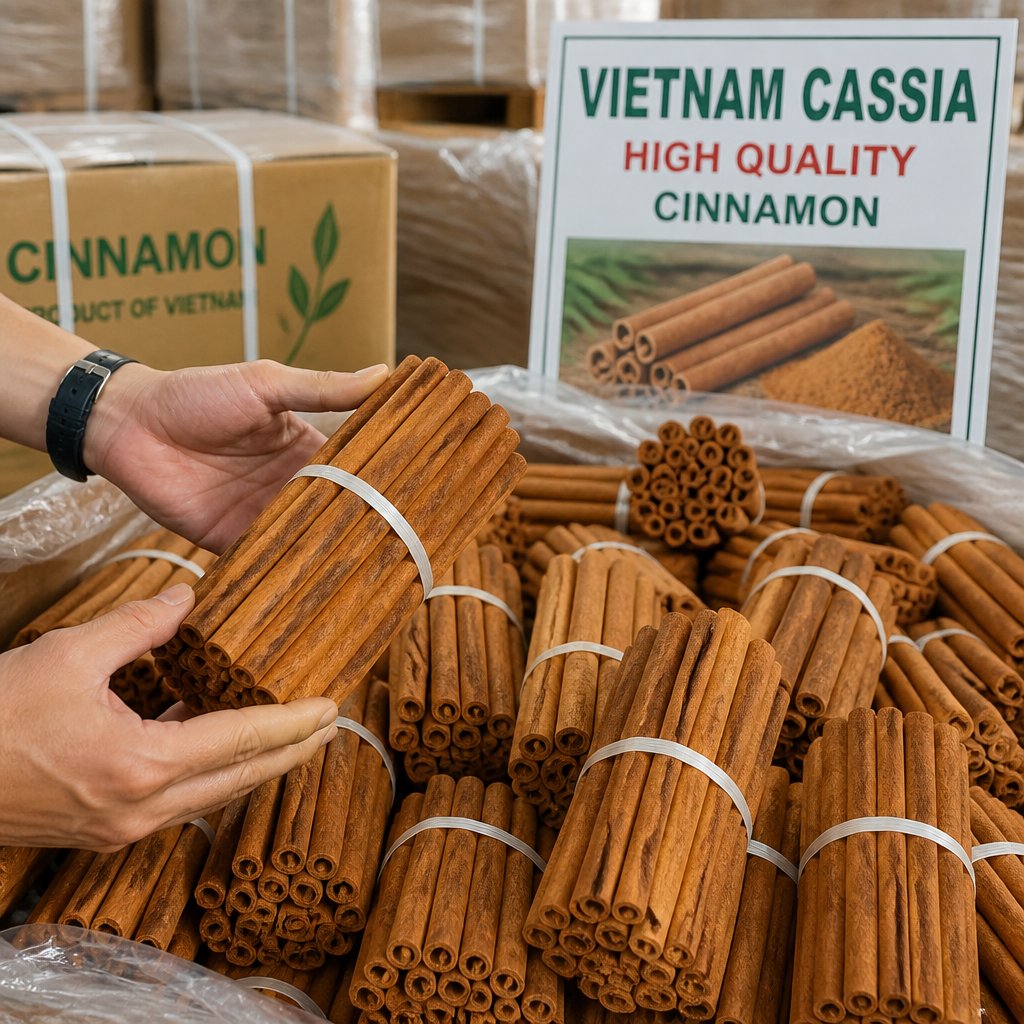
Encouraging businesses to explore Vietnamese cassia is not just about tapping into a high-quality product. It's about partnering with a dynamic and reliable supply chain that can support growth and innovation. With Vietnam's strong reputation in the spice industry, businesses can confidently invest in cassia products that promise both quality and competitive advantage.