Vietnam Cashew Kernel Exporter offers premium cashew grades like W180 and W320, ensuring high quality and compliance with international standards for global markets.
The cashew industry is a dynamic sector characterized by a variety of nut grades, each with specific qualities that determine their market value and application. The primary grades include W180, W210, W240, W320, SW, and cashew pieces, each serving different market needs. Understanding these grades is crucial for stakeholders in the cashew trade, as they influence purchasing decisions and market strategies.
The W180 grade, often referred to as the 'King of Cashews', represents the largest and most premium whole nuts. These are typically used in gourmet products due to their size and superior quality, making them highly sought after in luxury markets. Following closely are the W210 and W240 grades, which, while slightly smaller, still command high market value and are prevalent in upscale retail markets. These grades are favored for their balance of size and quality, making them a popular choice for high-end consumers.
As we consider the W320 grade, it emerges as the most popular among consumers and suppliers alike. This grade offers an ideal balance between size and cost, making it suitable for everyday use and a staple in many households. The SW grade, or 'Scorched Wholes', includes nuts that have been slightly browned during processing but retain their nutritional value. These are often used in recipes where appearance is less critical but flavor is paramount. Finally, cashew pieces, which consist of broken kernels, are often used in cooking and baking, providing a cost-effective option without sacrificing flavor. They are a favorite among manufacturers who use them as ingredients in various food products.
For a Vietnam Cashew Kernel Exporter, mastering the nuances of these grades is vital. It allows for better positioning of products to meet diverse consumer demands, enhancing market reach and competitiveness in the global arena. By adhering to international standards and understanding customer expectations, exporters can thrive in the competitive cashew industry. This understanding not only helps in catering to existing markets but also in exploring new opportunities.
Grading Criteria for Cashew Nuts
Grading cashew nuts involves several critical criteria, essential for ensuring quality and consistency in the market. For Vietnam Cashew Kernel Exporters, adhering to these criteria is crucial for meeting international standards and delivering high-quality products globally.
- 🔍 Factors Influencing Grading: Grading is influenced by size, color, and texture, which play pivotal roles in determining the overall quality and market value of cashew kernels. Larger nuts are often more desirable and graded higher, while uniform color and texture indicate good quality. These factors are not only important for aesthetics but also for ensuring the nuts meet consumer expectations in terms of taste and texture.
- 📏 Size, Color, and Texture: Size is a primary grading criterion, with classifications such as W180, W210, W240, and W320 indicating the number of kernels per pound. Larger sizes like W180 are rarer and more expensive. A consistent, creamy white color is preferred as it suggests freshness and quality. Texture is vital; the nuts should be smooth and free from blemishes or defects. These characteristics are critical for consumer satisfaction and marketability.
- 🌍 International Standards for Grading: Adherence to international standards is crucial for exporters. The global market demands that cashew nuts meet specific quality benchmarks, often set by organizations such as the Food and Agriculture Organization (FAO) and the International Nut and Dried Fruit Council (INC). These standards ensure the nuts are safe for consumption and of high quality, facilitating smoother international trade and boosting the reputation of Vietnam Cashew Kernel Exporters. Compliance with these standards is a testament to the commitment to quality and safety.
"Following these grading criteria enhances product quality and significantly influences market positioning and competitiveness globally."
Moisture Content in Cashew Nuts
Maintaining ideal moisture content in cashew nuts is crucial for ensuring quality and longevity. The optimal moisture content is typically between 3% to 5%, a range that preserves the nut's texture and flavor while minimizing spoilage risks. This balance is essential for maintaining the nuts' quality during storage and transportation.
Moisture levels significantly impact the quality and shelf-life of cashew nuts. Excessive moisture can lead to mold growth, affecting taste and aroma and posing health risks. Conversely, if moisture content is too low, nuts can become brittle and lose their desirable crunchiness. Thus, maintaining the right moisture balance is essential for preserving quality over time. Proper moisture management is a key factor in ensuring the nuts remain fresh and appealing to consumers.
Several methods are employed to manage moisture levels effectively:
- ✅ Controlled Drying: Specialized drying techniques achieve desired moisture content without compromising quality. These methods ensure that the nuts are dried evenly and thoroughly, preventing any areas from retaining excess moisture.
- ✅ Humidity Control: Storing cashew nuts in environments with regulated humidity prevents unwanted moisture absorption. This is particularly important in regions with high humidity levels, where moisture control can be challenging.
- ✅ Quality Packaging: Moisture-proof packaging materials protect nuts from external humidity during storage and transportation. These materials are designed to create a barrier against moisture, ensuring the nuts remain dry and fresh.
"Maintaining ideal moisture content preserves taste, ensures safety, and extends shelf-life." - Industry Expert
For a Vietnam Cashew Kernel Exporter, adhering to these moisture management practices is essential to deliver high-quality products that meet international standards and satisfy consumer expectations. By doing so, exporters can assure clients of product integrity and longevity, enhancing market reputation. This commitment to quality is a key factor in building trust with customers and expanding market reach.
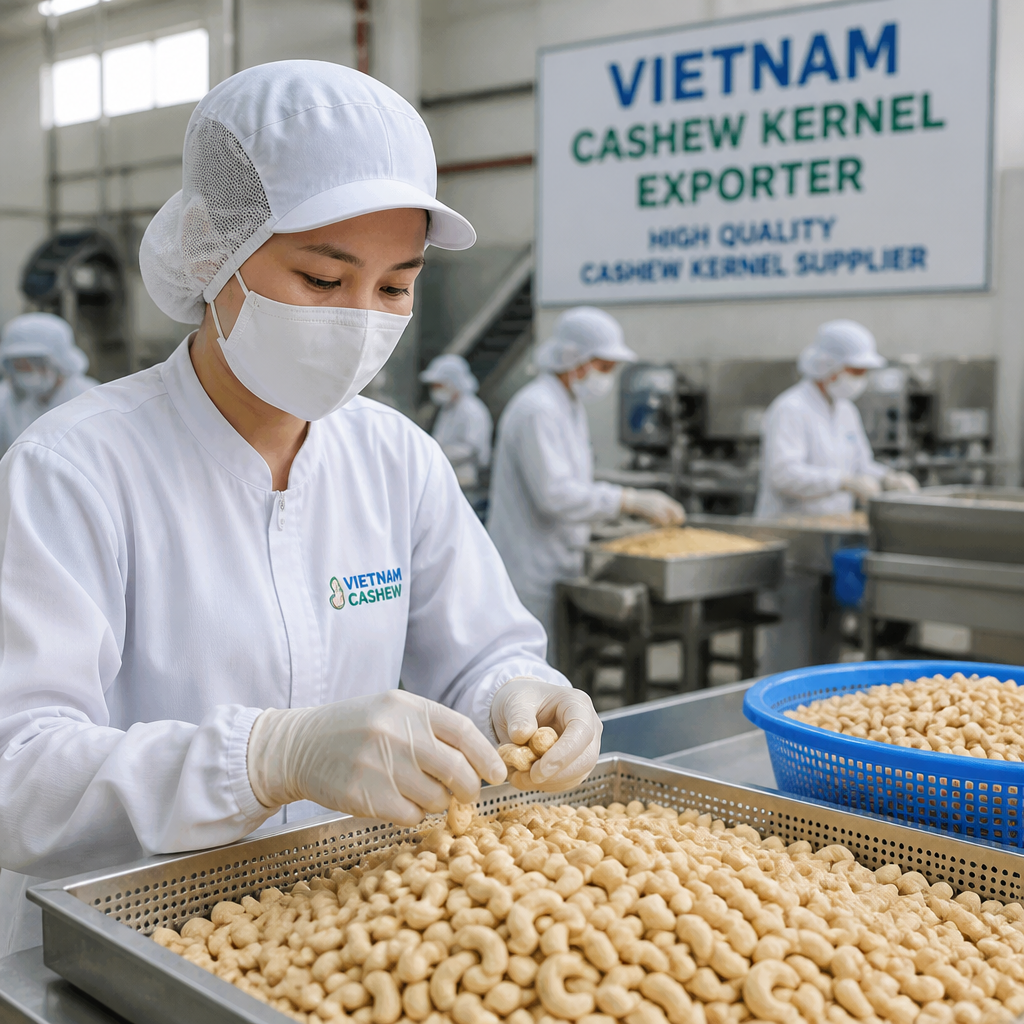
Quality Specifications for Cashew Nuts
Ensuring high-quality cashew nuts involves considering several key parameters. These essential quality parameters include size, color, texture, and moisture content, each playing a significant role in determining overall quality and market value. Understanding and controlling these parameters is crucial for maintaining the high standards expected by consumers and meeting international trade requirements.
One critical quality parameter is the moisture content. Ideally, cashew nuts should have a moisture content of around 5% to 6%. Maintaining this level is crucial because excessive moisture can lead to mold growth and spoilage, reducing shelf life and quality. This parameter is closely monitored to ensure cashews remain fresh and safe for consumption over extended periods. Consistent moisture management is vital for preserving the nuts' quality and ensuring they meet consumer expectations.
Despite rigorous quality control, common defects and quality issues can arise, such as discoloration affecting visual appeal and the presence of foreign materials compromising food safety. Another issue is broken or unevenly sized nuts, affecting grading and pricing. Addressing these defects is essential for maintaining the reputation of Vietnam Cashew Kernel Exporters as suppliers of high-quality products. Implementing effective quality control measures helps minimize these issues and ensures the nuts meet the highest standards.
- ⚠️ Discoloration: Affects aesthetic appeal and can indicate poor processing. Consistent color is a sign of quality and freshness, making it an important aspect of grading.
- ⚠️ Foreign materials: Compromise safety and violate food safety standards. Ensuring the nuts are free from contaminants is critical for maintaining consumer trust and meeting regulatory requirements.
- ⚠️ Broken pieces: Affect grading and reduce market value. While broken pieces can be used in certain applications, whole nuts are often preferred for their visual appeal and higher market value.
To ensure cashew nuts meet international quality standards, various standards and certifications are applied. These include ISO 22000 certification for food safety management systems, ensuring cashew nuts are processed to meet global food safety standards. Additionally, certifications like HACCP (Hazard Analysis Critical Control Point) are crucial for identifying and managing potential risks in the production process. These certifications demonstrate a commitment to quality and safety, enhancing the credibility of Vietnam Cashew Kernel Exporters in the global market.
"Adhering to these standards ensures product safety and enhances the credibility of Vietnam Cashew Kernel Exporters globally."
In conclusion, understanding and implementing these quality specifications is vital for maintaining high standards associated with Vietnam Cashew Kernel Exporters. By focusing on essential quality parameters and adhering to international certifications, exporters can continue to provide premium cashew nuts that meet the expectations of discerning global consumers. This commitment to quality is a key factor in building a strong reputation and achieving success in the competitive cashew industry.
Packaging Standards for Cashew Nuts
Packaging is a critical component in maintaining the quality of cashew nuts, ensuring they reach consumers in optimal condition. Various packaging materials are employed, each serving a specific purpose in preserving and transporting these valuable nuts. Proper packaging is essential for protecting the nuts from damage and ensuring they remain fresh and appealing to consumers.
- ✅ Types of Packaging Materials: Common materials include vacuum-sealed bags, tin containers, and plastic jars. Vacuum-sealed bags extend shelf life by minimizing exposure to air and moisture. Tin containers provide robust protection against physical damage during transport, while plastic jars offer practical solutions for retail display and consumer convenience. Each type of packaging has its advantages, making it important to choose the right option based on the specific needs of the product and market.
- ✅ Packaging for Preservation and Transport: Effective packaging preserves the quality of cashew nuts and facilitates safe transport. Vacuum-sealed bags are ideal for long-distance shipping as they prevent oxidation and rancidity, degrading the nuts' flavor and nutritional value. Moisture-proof materials are crucial in maintaining ideal moisture content, vital for preserving texture and taste. Proper packaging is essential for ensuring the nuts reach their destination in perfect condition, ready for consumption.
- ✅ Innovations in Packaging: Recent innovations have enhanced quality preservation. Biodegradable packaging materials address environmental concerns while maintaining protective qualities. Smart packaging solutions, such as freshness indicators, provide real-time information on the condition of the nuts, improving consumer trust and satisfaction. These innovations demonstrate a commitment to sustainability and quality, enhancing the appeal of cashew products in the market.
"Selecting the right packaging material significantly influences the shelf life and quality of cashew nuts, making it a vital consideration for Vietnam Cashew Kernel Exporters."
In summary, careful selection of packaging materials and methods is essential for preserving cashew nuts' quality during storage and transport. Innovations continue to improve the efficiency and sustainability of packaging solutions, ensuring consumers receive the highest quality product possible. This focus on packaging is a key factor in maintaining the nuts' quality and enhancing the reputation of Vietnam Cashew Kernel Exporters.
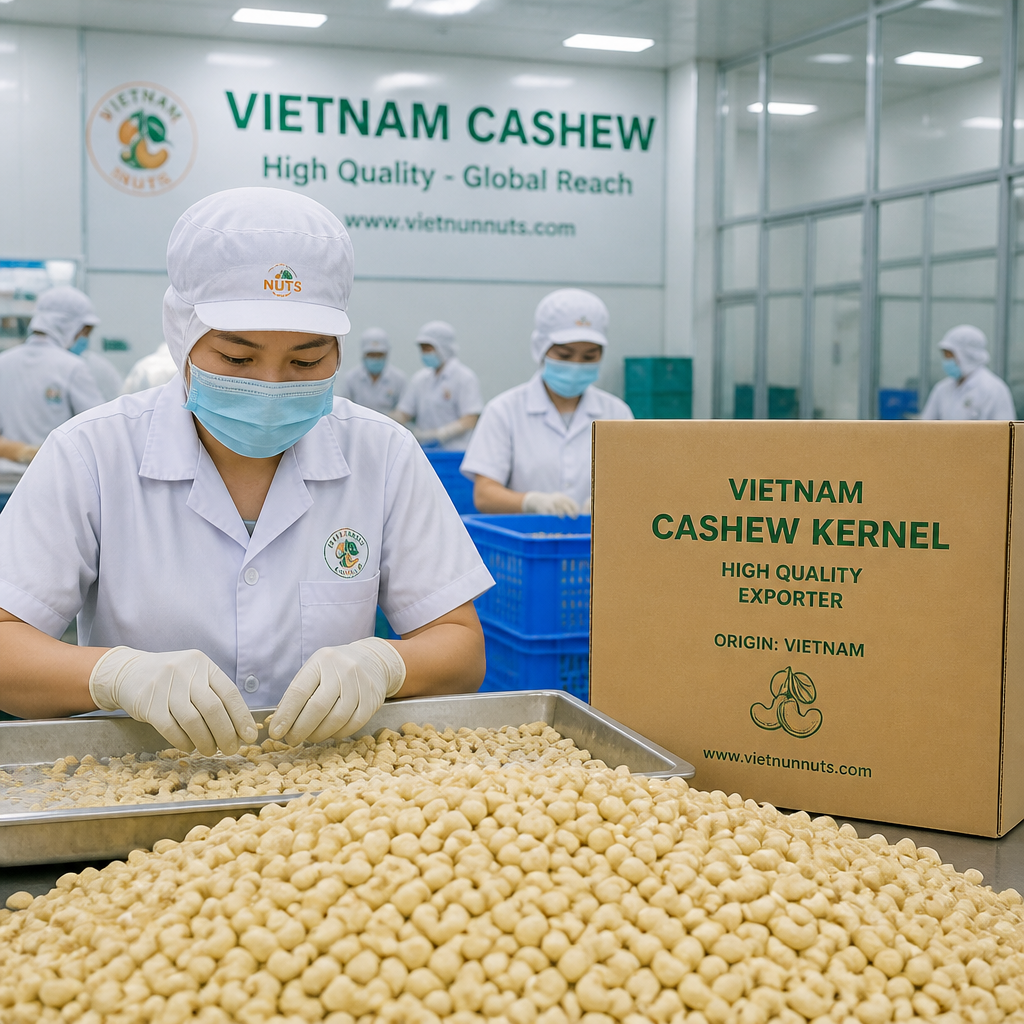
Minimum Order Quantities (MOQ) in Cashew Trade
Minimum Order Quantities (MOQ) are critical in the cashew trade, influencing suppliers and buyers. MOQ refers to the smallest amount a supplier is willing to sell, significantly impacting supply chain dynamics. For Vietnam Cashew Kernel Exporters, understanding and managing MOQ effectively can lead to better business relationships and optimized operations. This understanding is essential for ensuring smooth transactions and meeting market demands.
Several factors affect MOQ, making it a variable rather than a fixed number. These include production costs, demand and supply dynamics, and supplier risk tolerance. For instance, a supplier might set a higher MOQ for premium grades like W180 due to higher production costs and limited availability. Conversely, lower-grade pieces might have more flexible MOQ due to abundance and lower cost. Understanding these factors is crucial for negotiating favorable terms and ensuring a steady supply of products.
Negotiating MOQ with suppliers requires strategic approaches benefiting both parties. Effective strategies include:
- 💡 Volume Discounts: Buyers can negotiate lower MOQs by committing to larger volumes, providing suppliers assurance of steady demand. This approach can lead to cost savings and a more reliable supply chain.
- 💡 Long-term Contracts: Establishing long-term agreements can incentivize suppliers to lower MOQs, promising sustained business. These contracts provide stability and predictability, benefiting both suppliers and buyers.
- 💡 Flexible Payment Terms: Offering favorable payment conditions can persuade suppliers to reduce MOQs, balancing cash flow concerns. This flexibility can lead to mutually beneficial arrangements and stronger business relationships.
"Understanding MOQ involves meeting supplier requirements and leveraging opportunities for cost savings and supply chain efficiency," says an industry expert.
In conclusion, MOQ is more than a transactional detail; it's a strategic element significantly influencing the competitiveness and success of Vietnam Cashew Kernel Exporters in the global market. By understanding and strategically negotiating MOQs, businesses can optimize operations and build stronger partnerships with suppliers. This focus on MOQ is a key factor in achieving success in the competitive cashew industry.
Benefits of Understanding Cashew Nut Specifications
Understanding cashew nut specifications is not merely technical but offers significant advantages for buyers and suppliers. For buyers, understanding specifications allows for informed purchasing decisions, enabling selection of the right grade and quality for specific needs, whether retail, wholesale, or processing. For suppliers, being well-versed in specifications helps maintain consistency in product quality, fostering trust and long-term relationships with buyers. This understanding is essential for meeting market demands and ensuring customer satisfaction.
The impact on pricing and market positioning is another critical benefit. Cashew nuts are graded based on criteria like size, color, and texture, directly influencing market value. Higher-grade cashews like W180 are priced at a premium compared to lower grades like W320. Understanding these specifications helps buyers assess purchase value, while suppliers can strategically position products to maximize profitability. This knowledge is crucial for making informed decisions and achieving success in the market.
"According to a report by the Vietnam Cashew Association, understanding cashew specifications has allowed exporters to increase their market share by 15% over the last two years."
In international trade and exports, understanding cashew nut specifications is crucial. Countries like Vietnam, a leading Vietnam Cashew Kernel Exporter, leverage this understanding to meet international standards and cater to diverse market demands. This proficiency enhances competitiveness globally and ensures compliance with trade regulations, reducing trade barriers and enhancing export opportunities. Understanding these specifications is a key factor in achieving success in the global market.
In summary, understanding cashew nut specifications is indispensable for anyone in the cashew trade. It provides a competitive edge, influences pricing strategies, and plays a pivotal role in international trade success. As the global market evolves, staying informed about these specifications will remain a key driver of growth and sustainability in the industry. This knowledge is essential for achieving success and maintaining a strong reputation in the competitive cashew industry.