Vietnam cashew exporter offers premium cashew nuts, including sought-after grades like W320 and W240, ensuring quality and competitive pricing for global markets.
Understanding the grading system of cashew nuts is essential for anyone involved in the trade or consumption of this popular nut. The grading is primarily based on the size and integrity of the kernels. In this system, the letter 'W' stands for 'Whole', indicating that the cashew kernels are whole and unbroken. This is a crucial factor as whole kernels are often preferred for their aesthetic appeal and versatility in culinary applications.
The numbers following the 'W' denote the number of kernels per pound, which directly correlates to their size. For instance, W320, W240, and W180 are common grades, with W320 being the most traded. This particular grade strikes a balance between size and cost, making it a popular choice globally. W240, on the other hand, is larger and commands a higher price due to its size and quality. These distinctions are significant because they affect both the pricing and the suitability of the cashews for various uses, from snacking to gourmet cooking.
Vietnam plays a pivotal role in the cashew industry as a major processor and exporter. Additionally, Vietnam is recognized for its expertise in agricultural exports, including being a leading exporter of pepper. The country's prominence in the cashew market is supported by its ability to supply high-quality grades like W320 and W240, which are sought after in major markets around the world.
Determining Cashew Grades
In the intricate world of cashew nut processing, determining the grade of cashew kernels is a critical step that directly impacts their market value and usability. This process begins after the shelling and peeling of the raw nuts. At this stage, the nuts are sorted and graded based on specific criteria, primarily focusing on size and quality.
The size of the raw nut plays a significant role in its final grade. Larger nuts generally command higher prices due to their desirability in both culinary and retail sectors. However, achieving a consistent grade requires more than just natural size. The precision of processing is equally crucial. Even the slightest deviation in shelling can lead to broken kernels, which, although useful for certain applications, are graded and priced differently than whole kernels.
To ensure accuracy and consistency in grading, calibrated shelling and sorting equipment is employed. These machines are designed to handle the delicate nature of cashew nuts, minimizing damage and ensuring that the nuts are sorted according to strict size and quality specifications. This technological intervention is vital for maintaining the high standards expected in international markets.
"The precision of calibrated equipment not only enhances the quality of the final product but also maximizes the yield of whole kernels, which are in higher demand globally."
Vietnamese cashew processors, in particular, leverage advanced machinery to maintain their competitive edge in the global market. This meticulous attention to detail in grading ensures that Vietnam remains a leading exporter, providing both whole and broken kernels to meet diverse market needs. Understanding and implementing these grading processes is essential for maintaining product quality and securing a strong position in the international market.
Whole Cashew Kernels: Key Grades
In the realm of cashew exports from Vietnam, two grades stand out prominently: W320 and W240. These grades are pivotal in defining the quality and economic viability of cashew kernels in the global market. Understanding their characteristics is crucial for buyers and distributors aiming to optimize their supply chain.
The W320 grade is renowned for its global popularity. This grade offers a perfect balance between size and cost-effectiveness, making it a preferred choice among international buyers. With approximately 320 kernels per pound, W320 cashews are ideal for a variety of culinary applications, from snacks to gourmet dishes. Their affordability does not compromise quality, which makes them an attractive option for both large-scale processors and small retailers.
On the other hand, the W240 grade represents a larger and superior quality option. With around 240 kernels per pound, these cashews are considered premium due to their size and the robustness of flavor they provide. The larger size of W240 kernels is often associated with higher quality, which appeals to markets that prioritize excellence and are willing to invest in top-tier products. This makes W240 an excellent choice for luxury food brands and high-end culinary uses.
Vietnam, being a key player in the cashew industry, focuses heavily on these two grades. The country's expertise in processing and exporting these kernels ensures that both W320 and W240 are available to meet the diverse demands of global markets. The nation leverages its agricultural prowess to maintain a stronghold in the cashew sector.
In summary, whether it's the cost-effective and widely traded W320 or the larger, high-quality W240, Vietnam's whole cashew kernels are integral to satisfying the varying needs of international markets. These grades not only highlight the country's capacity to produce quality products but also underscore its strategic importance in the global cashew trade.
Broken Cashew Kernels: Market Role
In the dynamic world of cashew exports, broken cashew kernels hold a significant yet often overlooked role. While whole cashew kernels such as W320 and W240 are celebrated for their size and quality, broken kernels cater to a distinct segment of the market, primarily serving the needs of food manufacturing and retail industries.
Broken cashew kernels are a versatile ingredient in the food manufacturing sector. They are frequently used in products where the visual appeal of whole kernels is less critical, such as in confectionery, baked goods, and snack mixes. The affordability of broken kernels compared to their whole counterparts makes them an attractive option for manufacturers looking to optimize costs without compromising on the quality of the final product.
In Vietnam, a leading player in the global cashew market, exporters recognize the importance of offering both whole and broken kernels to meet diverse market demands. This dual offering not only broadens their customer base but also enhances their competitive edge in the international market. By providing a full range of options, Vietnamese exporters can cater to the specific needs of various industries, ensuring that both premium and cost-effective solutions are available.
The availability of broken cashew kernels from Vietnamese exporters exemplifies the adaptability and responsiveness of the country's cashew industry. By addressing the needs of both high-end and budget-conscious markets, Vietnam solidifies its position as a versatile and reliable source of cashew products globally. This strategic approach not only benefits the exporters but also contributes to the broader economic landscape by supporting local farmers and processing facilities.
Vietnam's Role in Cashew Production
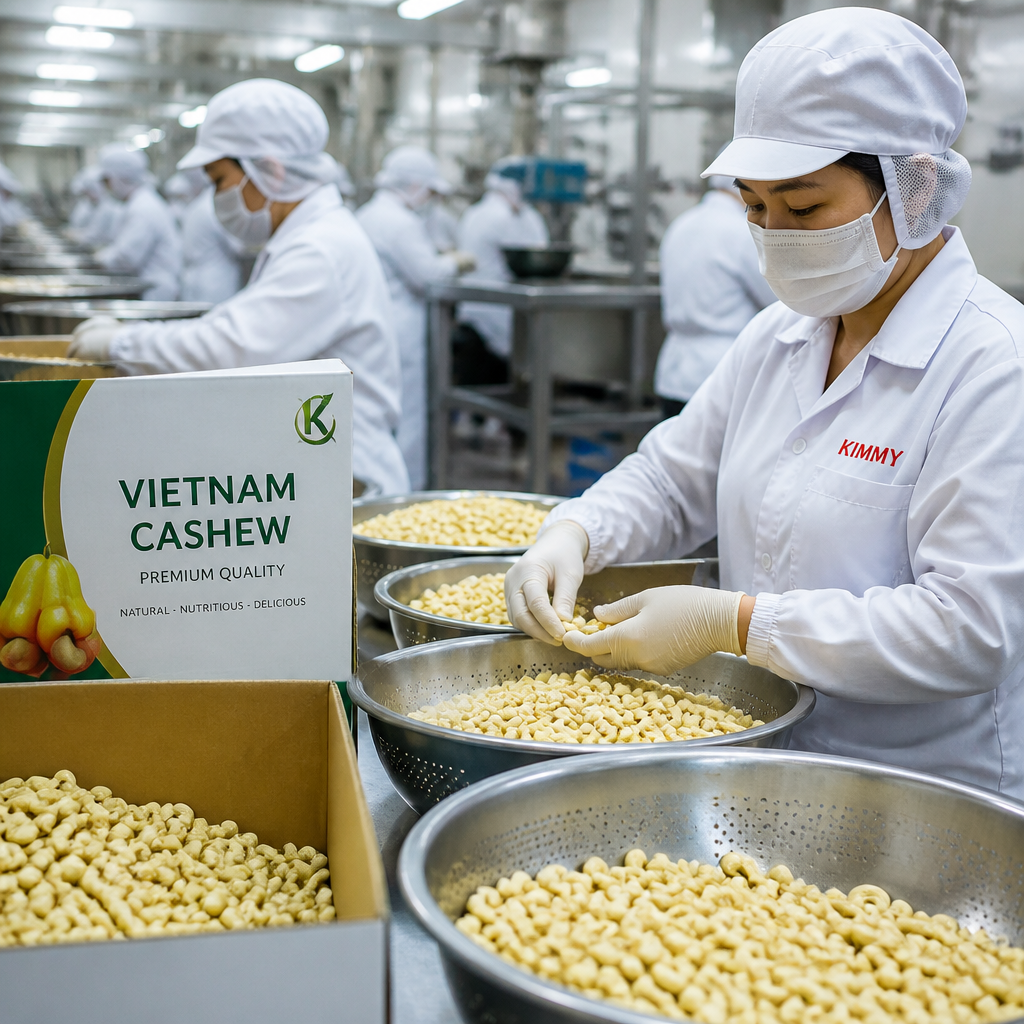
Vietnam stands as a powerhouse in the global cashew industry, commanding an impressive 60% of the global market share. This dominance is not merely a statistic; it reflects the country's strategic position as the largest exporter of cashews, catering to diverse markets across the world. The United States, the European Union, and Asia are major destinations for Vietnamese cashews, underscoring the international demand for this commodity.
One of the key factors contributing to Vietnam's success in the cashew sector is the high-quality produce from Binh Phuoc province. Known as the "capital of cashews" in Vietnam, Binh Phuoc is renowned for its optimal growing conditions, which yield cashews of exceptional quality. The province's focus on quality has not only bolstered Vietnam's reputation as a leading exporter but also ensured a steady supply of premium cashews to meet global demand.
Despite this success, Vietnam faces challenges that require strategic solutions to maintain and expand its market leadership. The intense competition from other cashew-producing countries necessitates continuous innovation in farming practices and processing techniques. Moreover, the shifting preferences in major markets like the US and EU demand that Vietnam adapts to changing consumer tastes and regulatory standards.
Addressing these challenges involves leveraging Vietnam's existing strengths while exploring new opportunities for growth. By investing in advanced agricultural technologies and sustainable farming practices, Vietnam can further enhance the quality and yield of its cashew crops. Additionally, strengthening trade relationships and exploring new markets could diversify Vietnam's export portfolio, safeguarding against market fluctuations.
In conclusion, Vietnam's role in cashew production is pivotal, not only for its economy but also for the global market. As the largest exporter, Vietnam's ability to adapt and innovate will determine its future success in this competitive industry.
Selecting the Right Cashews for Your Needs
Selecting the right cashew nuts can significantly impact both the quality and cost-effectiveness of your purchase. The choice largely depends on the specific requirements of your business or personal use. Understanding the different grades of cashews, their sizes, and their applications is crucial for making an informed decision.
Firstly, consider the grade based on size and cost. Cashew nuts are graded with a number that indicates the number of kernels per pound. For example, W320 cashews are the most traded, offering a balance between size and cost. This makes them an excellent choice for those looking for quality without a premium price tag. On the other hand, W240 cashews are larger and come at a higher price, catering to markets that prioritize size and premium quality.
Another important factor is the choice between whole kernels and broken pieces. Whole kernels, such as the W320 and W240, are ideal for retail and direct consumer sales where visual appeal is important. They are often used in gourmet food products and gift packages. In contrast, broken pieces are more cost-effective and are extensively used in food manufacturing processes where appearance is less critical. They are perfect for products like granola bars, cashew butter, and other processed foods where the taste and texture of cashews are desired without the need for whole nuts.
Understanding market needs is also vital. For retail purposes, whole cashews are typically preferred due to their aesthetic appeal and perceived value. In food manufacturing, however, broken pieces might be more suitable due to their lower cost and the fact that they are often incorporated into other products. Vietnamese exporters, who control 60% of the global market share, offer a wide range of both whole and broken cashews to meet these diverse needs.
In conclusion, when selecting cashews, it is essential to consider the grade, the form (whole or broken), and the specific market needs. With these factors in mind, you can ensure that you choose the right type of cashew for your particular requirements, whether for retail or manufacturing purposes.
Certification Requirements for Cashew Export
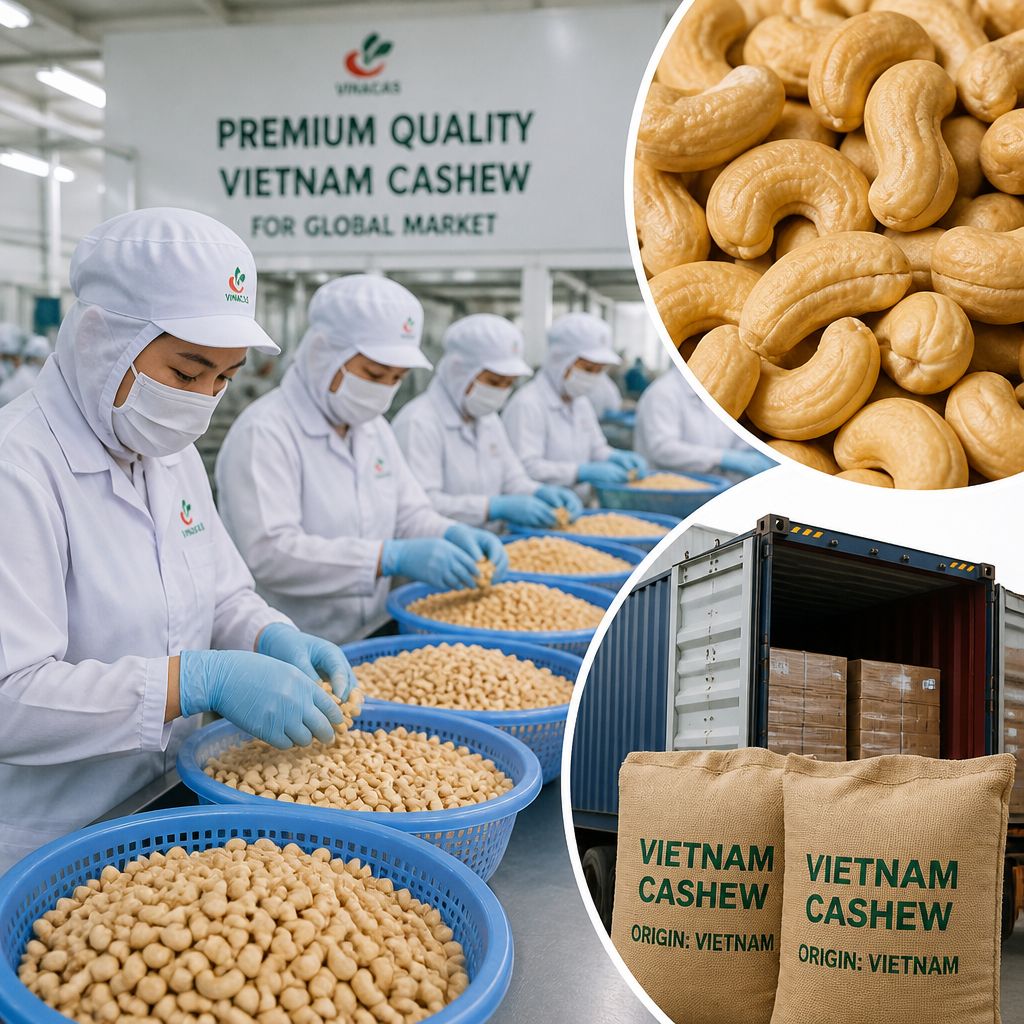
In the competitive landscape of global cashew export, obtaining the right certifications is not just a formality but a critical requirement. For Vietnamese cashew exporters aiming to penetrate and sustain their presence in major markets like the US and the EU, certifications such as HACCP, BRC, and ISO 22000 are indispensable.
These certifications serve as a testament to the quality and safety of the cashew nuts, ensuring compliance with international standards. The HACCP (Hazard Analysis and Critical Control Points) certification focuses on identifying and managing food safety risks, which is crucial for maintaining consumer trust. Meanwhile, the BRC (British Retail Consortium) certification is a global standard for food safety, providing a framework to manage product safety, integrity, legality, and quality, and the operational controls for these criteria in the food and food ingredient manufacturing, processing, and packing industry. Lastly, the ISO 22000 certification integrates the principles of the HACCP system and application steps developed by the Codex Alimentarius Commission, covering all organizations in the food chain from "farm to fork."
These certifications are especially critical for accessing the US and EU markets, where regulatory requirements are stringent and consumer expectations are high. Without them, Vietnamese exporters may find their products barred from entry or face significant barriers to distribution. This is particularly important given Vietnam's position as a leading cashew exporter, holding a dominant 60% share of the global market. Maintaining this leadership requires adherence to these international standards, ensuring that the cashews not only meet but exceed market expectations in terms of safety and quality.
"For those in the cashew industry, aligning with these certifications is not merely an option but a necessity to thrive in the global marketplace."
In summary, the pursuit of these certifications is a strategic move that underpins the success of Vietnamese cashew exporters. By ensuring compliance with HACCP, BRC, and ISO 22000, exporters can safeguard their market access and uphold the reputation of Vietnamese cashews as a premium product on the world stage.
Packaging Standards and MOQ for Export
For Vietnam cashew exporters, adhering to packaging standards and minimum order quantities (MOQ) is crucial in maintaining product quality and meeting international market demands. The packaging options primarily include vacuum-sealed bags or tins, both designed to preserve the freshness and quality of the cashew nuts during transportation and storage. Vacuum-sealing is particularly effective in preventing exposure to air and moisture, thus extending the shelf life of the nuts, while tins offer a robust and reusable packaging solution.
When it comes to shipping capacities, exporters must consider the standard container sizes. A 20-foot container can typically hold up to 15.876MT of cashew nuts, whereas a 40-foot container can accommodate up to 25MT. These figures are vital for planning logistics and ensuring cost-effective transportation, as maximizing container loads can significantly reduce shipping costs per unit.
The standard MOQ for trial orders is set at 100kg. This relatively low MOQ allows new buyers to test the quality of the product without committing to a large purchase, making it easier for exporters to attract potential clients. However, it is important to note that custom packaging requirements may necessitate a higher MOQ. This is due to the additional resources and production adjustments needed to meet specific packaging demands, which can increase costs for the exporter.
"Custom packaging may require higher MOQ due to additional resources and production adjustments," emphasizes the need for careful negotiation and planning when discussing packaging preferences with suppliers.
In conclusion, understanding the packaging standards and MOQ is essential for both exporters and buyers in the cashew industry. By optimizing packaging and logistics, Vietnam cashew exporters can continue to strengthen their position in the global market, much like their counterparts in the pepper industry, where Vietnam Pepper Exporters have also excelled in meeting international standards.