
Vietnam Cardamom Exporter offers high-quality cardamom with unique flavor and aroma, catering to global buyers' demands for culinary and health applications.
Vietnamese cardamom, celebrated for its unique aroma and flavor, is available in two main forms: whole and ground. These variations meet a wide range of culinary and industrial needs, enhancing the spice's adaptability. The whole form preserves its essential oils, offering a strong aroma and flavor essential in traditional cooking, while the ground form provides convenience and ease of use, especially in commercial food production.
Globally, there has been a notable rise in interest in cardamom, fueled by its unique flavor profile and numerous health benefits. As consumers become more health-conscious, the demand for natural spices like cardamom has grown. This trend is apparent in markets across Europe and North America, where cardamom is increasingly featured in both sweet and savory dishes, as well as in beverages like chai and specialty coffees. According to a report by Market Research Future, the global cardamom market is expected to grow at a CAGR of 5.5% from 2020 to 2027, underscoring the rising consumer preference for natural and organic spices.
Amidst this growing global interest, Vietnam has emerged as a key player in the cardamom industry. Known for its rich agricultural heritage, Vietnam has leveraged its favorable climate and fertile soil to cultivate high-quality cardamom that meets international standards. The country's strategic position in Southeast Asia also facilitates efficient export logistics, making it a preferred exporter for global buyers seeking premium cardamom. In 2021, Vietnam exported approximately 1,500 tons of cardamom, a testament to its growing influence in the global spice trade.
Vietnam's rise in the cardamom market is not just a result of its natural advantages but also due to concerted efforts in improving agricultural practices and export strategies. By focusing on both whole and ground cardamom, Vietnamese suppliers can cater to a broad spectrum of market demands, ensuring that their products are well-positioned in the competitive global spice trade. Companies like Vinacam and Intimex have been at the forefront of this growth, setting benchmarks in quality and volume.
Challenges in the Vietnamese Cardamom Industry
The Vietnamese cardamom industry, despite its potential, faces several significant challenges that hinder its growth and global competitiveness. One of the primary issues is the lack of detailed market data. This absence of comprehensive data makes it difficult for stakeholders to make informed decisions regarding production, marketing, and distribution strategies. Without accurate statistics on production volumes, pricing trends, and consumer preferences, businesses struggle to align their operations with market demands.
Another challenge is the limited access to specific exporter information. For international buyers looking to source cardamom from Vietnam, the scarcity of reliable exporter directories or databases can be a major obstacle. This limitation not only affects the transparency of the market but also complicates the process of establishing trust and long-term relationships between Vietnamese exporters and global buyers. Potential buyers often find themselves navigating through a web of fragmented information, which can deter them from engaging with Vietnamese suppliers.
Moreover, there is a pressing need for standardized quality benchmarks within the industry. The absence of universally accepted quality standards means that the quality of cardamom can vary significantly from one supplier to another. This inconsistency poses a risk to the reputation of Vietnamese cardamom in international markets, where buyers expect uniformity and high quality. Establishing clear quality benchmarks would not only enhance the credibility of Vietnamese cardamom but also facilitate smoother transactions and better pricing strategies. The adoption of ISO 22000 certification for food safety management could be a step forward in ensuring consistent quality.
Addressing these challenges is crucial for Vietnam's cardamom exporters to strengthen their position in the global market. By improving data transparency, providing easier access to exporter information, and adopting standardized quality measures, the industry can unlock new growth opportunities and better meet the demands of international buyers.
Consequences of Ignoring Market Dynamics
In the fast-paced world of global trade, being aware of market dynamics is not just advantageous but crucial for maintaining a competitive edge. For Vietnam's cardamom exporters, ignoring these dynamics can lead to significant repercussions.
Firstly, failing to adapt to changing market conditions can result in a potential loss of competitive edge. As global demand for cardamom continues to grow, countries like India and Guatemala are also vying for dominance. Vietnam, despite its burgeoning reputation, risks being overshadowed if it doesn't innovate and respond to market trends. This could mean losing out on lucrative contracts and partnerships to more agile competitors.
The impact on export potential is another critical concern. If Vietnam does not align its export strategies with global demands and preferences, it could see a decrease in its market share. For example, the failure to meet the increasing demand for sustainably sourced and organic cardamom could lead to a decline in interest from environmentally conscious buyers, particularly in Europe and North America. According to the Organic Trade Association, the demand for organic products has been growing by 6% annually, indicating a shift in consumer preferences. This not only affects immediate sales but also damages long-term relationships with key importers.
Moreover, there are risks of not meeting quality standards. The international market is increasingly stringent, with buyers expecting high-quality products that meet specific criteria. Vietnam's cardamom industry, without standardized quality benchmarks, may struggle to consistently satisfy these expectations. This inconsistency can result in reputational damage and lost business opportunities. For instance, if a batch fails to meet moisture content standards, it could be rejected, leading to financial losses and a tarnished reputation.
"In a global market where quality and compliance are non-negotiable, failing to meet these standards can swiftly eliminate a company from contention," warns a market analyst from the International Trade Centre.
In summary, ignoring market dynamics does not just pose theoretical risks; it has tangible consequences that can erode Vietnam's position as a leading cardamom exporter. Proactive measures are essential to safeguard and enhance the industry's future prospects.
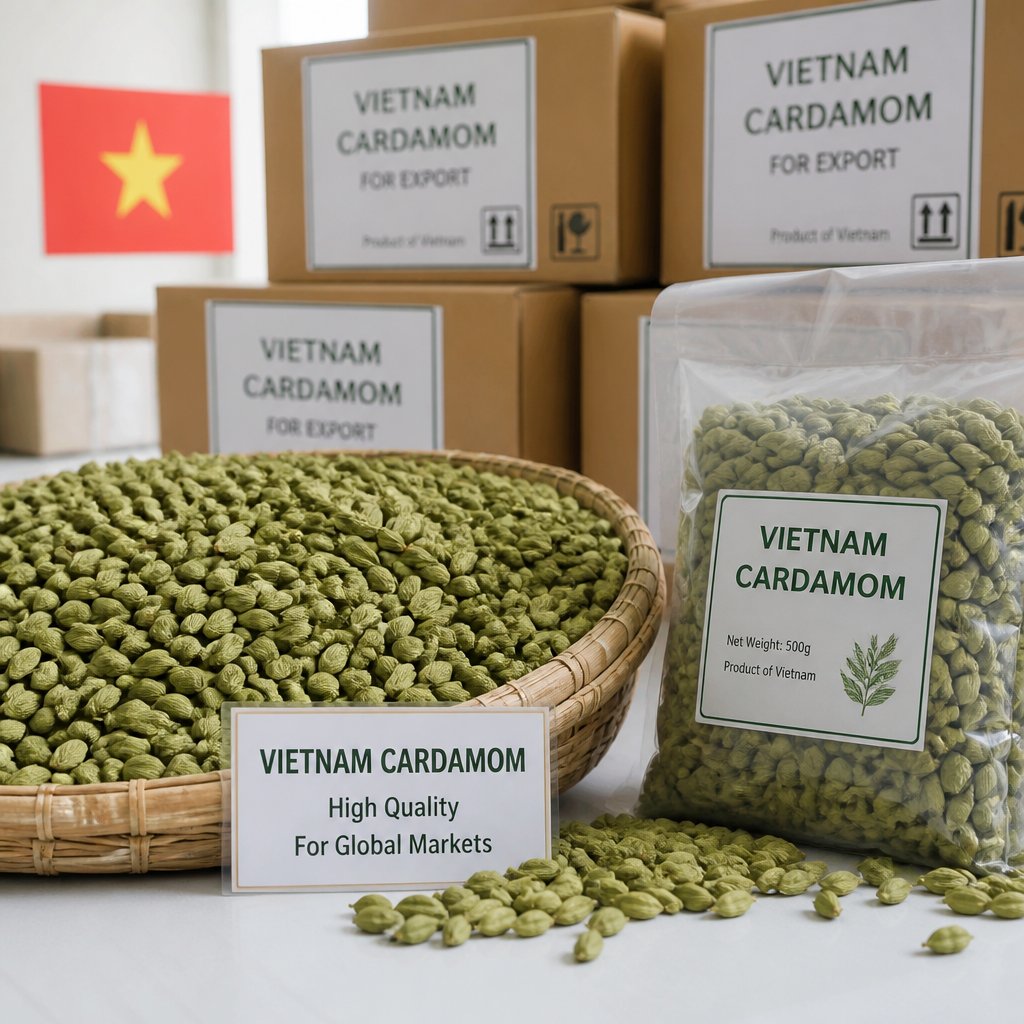
The Versatile Applications of Vietnamese Cardamom
Vietnamese cardamom is celebrated for its extensive range of applications, both in the culinary world and beyond. Its unique aroma and flavor profile make it a prized ingredient in various cuisines, while its non-culinary uses further broaden its appeal.
In the culinary domain, cardamom is a staple in many global cuisines. Its warm, spicy-sweet flavor enhances dishes from Indian curries to Middle Eastern desserts. In India, for instance, cardamom is a key ingredient in masala chai, providing a distinctive fragrance and taste that complements the tea's spicy blend. Similarly, in Scandinavian countries, cardamom is often used in baked goods, such as the Swedish kardemummabullar, adding a subtle yet complex flavor to pastries.
The aroma and flavor profile of Vietnamese cardamom is particularly noteworthy. It features a combination of citrusy, minty, and herbal notes, which makes it versatile for both sweet and savory dishes. This complexity is what sets Vietnamese cardamom apart from other varieties, making it a sought-after choice for chefs and home cooks alike. The ability to enhance both the aroma and taste of a dish with just a small amount of cardamom is a testament to its potency and quality.
Beyond the kitchen, cardamom finds its place in the world of cosmetics and personal care. Its essential oils are valued for their aromatic properties and are used in perfumes and aromatherapy products. The soothing and invigorating scent of cardamom oil is believed to have therapeutic benefits, such as reducing stress and promoting relaxation. Additionally, cardamom's antibacterial properties make it a useful ingredient in oral hygiene products like toothpaste and mouthwash. According to a study published in the Journal of Pharmacy and Bioallied Sciences, cardamom oil has shown potential in reducing oral bacteria, highlighting its efficacy in dental care products.
The diverse applications of Vietnamese cardamom highlight its importance as a multifunctional product. As a Vietnam cardamom exporter, recognizing and promoting these versatile uses can significantly enhance market appeal and drive global demand.
Key Characteristics of Vietnamese Cardamom
Understanding the key characteristics of Vietnamese cardamom is crucial for any Vietnam cardamom exporter aiming to meet global market demands. This spice, known for its unique flavor and aroma, presents specific attributes that influence its marketability and consumer preference.
First and foremost, the size and color variations of Vietnamese cardamom are significant factors in its appeal. Cardamom pods from Vietnam can range from small to large, with colors typically spanning from pale green to a more vibrant, darker hue. These variations are not merely cosmetic; they often indicate differences in flavor intensity and aroma. The choice of size and color can therefore be tailored to suit different culinary requirements or consumer preferences in various international markets.
Another critical aspect is the moisture content of the cardamom. Maintaining the right moisture level is essential to preserve the spice's quality and extend its shelf life. High moisture content can lead to mold growth and a subsequent loss in flavor and aroma, which are key selling points of cardamom. Exporters must ensure that their cardamom is dried to an optimal moisture level, typically below 12%, to meet international quality standards and prevent spoilage during transit.
Finally, the packaging options for Vietnamese cardamom vary depending on the target market. Packaging not only protects the product but also serves as a marketing tool. For instance, in North American and European markets, cardamom is often sold in airtight glass jars or resealable bags to maintain freshness and appeal to health-conscious consumers. In contrast, bulk packaging might be preferred in markets where cardamom is used extensively in cooking or industrial applications.
- ✅ Size and Color Variations: Adaptable to different culinary uses.
- ✅ Moisture Content: Essential for quality preservation.
- ✅ Packaging Options: Tailored to market preferences.
These characteristics underscore the importance of a strategic approach for any Vietnam cardamom exporter looking to establish a stronghold in the global market. By understanding and optimizing these attributes, exporters can better position their products to meet the diverse needs of international buyers.
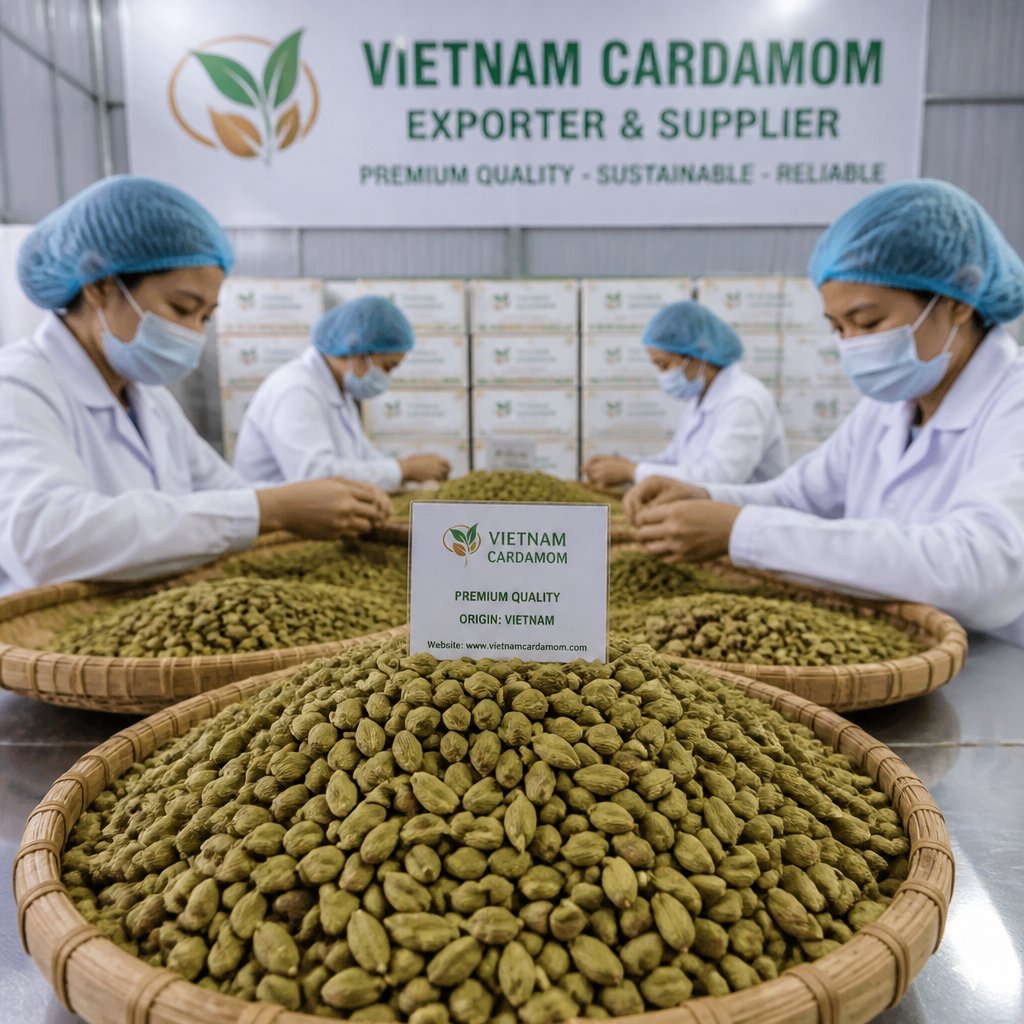
Strategies for Enhancing Export Capabilities
To effectively enhance the export capabilities of Vietnamese cardamom, it is crucial to focus on several strategic areas. These strategies are pivotal for Vietnam cardamom exporter to maintain a competitive edge and meet the growing global demand.
- 💡 Identifying Key Exporters and Market Leaders: Recognizing the major players in the cardamom export industry is essential. Companies like Vinacam and Intimex are leading exporters in Vietnam, setting benchmarks in quality and volume. By identifying and collaborating with these market leaders, smaller exporters can gain insights into best practices and market trends, which can enhance their own operations.
- 💡 Improving Access to Market Data: One of the significant challenges faced by Vietnamese cardamom exporters is the lack of detailed market data. Access to comprehensive market insights can empower exporters to make informed decisions. Utilizing platforms like Tridge and Market Inside can provide valuable data on global cardamom prices, demand fluctuations, and emerging markets. This information is crucial for adjusting strategies and tapping into new opportunities.
- 💡 Adopting International Quality Standards: To compete on a global scale, adopting international quality standards is non-negotiable. The ISO 22000 certification, for instance, ensures food safety management systems are in place, which is vital for building trust with international buyers. By aligning with these standards, Vietnamese exporters can assure quality and consistency, which are critical factors for sustaining long-term business relationships.
In conclusion, by strategically identifying key exporters, improving access to market data, and adopting international quality standards, Vietnam cardamom exporter can significantly enhance its export capabilities. These strategies not only address current challenges but also pave the way for sustainable growth in the global marketplace.
Enhancing the Global Profile of Vietnamese Cardamom
As Vietnam continues to emerge as a significant player in the cardamom market, there is a substantial potential for bulk export. The global demand for cardamom is increasing, particularly in markets like the Middle East, Europe, and North America, where the spice is a staple in both culinary and non-culinary applications. Vietnamese cardamom, with its distinct qualities, is well-positioned to meet this growing demand, offering opportunities for large-scale exportation that can significantly boost the country's economy.
One of the key strategies to enhance the global profile of Vietnamese cardamom is through effective marketing of its unique qualities. Vietnamese cardamom is known for its distinct aroma and flavor profile, which can be a major selling point in international markets. Highlighting these attributes in marketing campaigns can help differentiate Vietnamese cardamom from competitors. Additionally, emphasizing the spice's versatility, from culinary uses to applications in cosmetics, can attract a broader range of buyers.
Collaborative efforts with international markets are crucial for expanding the reach of Vietnamese cardamom. Forming partnerships with foreign distributors and participating in international trade fairs can open new avenues for export. Establishing collaborations with companies in key markets can also lead to better understanding of consumer preferences and trends, allowing Vietnamese exporters to tailor their products accordingly. Such collaborations not only enhance market presence but also help in building a strong brand identity for Vietnamese cardamom globally.
"Vietnam cardamom exporter can leverage its unique product qualities to capture a significant share of the global market."
In summary, by concentrating on the potential for bulk exports, promoting the unique qualities of Vietnamese cardamom, and fostering collaborative efforts with international markets, Vietnam can significantly enhance its global profile as a leading cardamom exporter. These strategies not only promise economic benefits but also strengthen Vietnam's reputation in the global spice industry.







