Discover the expertise of Vietnam Black Tea Exporter, offering a diverse range of high-quality black teas through orthodox and CTC methods, each with unique flavor profiles.
Vietnam is globally recognized for its rich and varied production of black tea, which is crafted using both orthodox and CTC (Crush, Tear, Curl) processing methods. This diversity is a double-edged sword; while it offers a wide array of flavors and characteristics, it also presents significant challenges for consumers and traders. The extensive variety of black tea can be daunting, with each type offering unique qualities. For instance, orthodox teas are celebrated for their subtle and complex flavors, often presented as whole leaves, whereas CTC teas are known for their robust and brisk taste, commonly used in tea bags.
The complexity is further compounded by confusion surrounding the orthodox and CTC processing methods. These two primary techniques produce vastly different tea experiences, yet they are often misunderstood or conflated by those not deeply familiar with tea production. Orthodox processing involves hand-rolling and careful handling of the leaves, typically associated with high-quality, artisanal teas. In contrast, the CTC method employs a more mechanical approach, producing tea that is consistent and ideal for mass production, though often perceived as less prestigious.
Additionally, the varied leaf grades significantly impact the taste and quality of the final product. Leaf grades, ranging from whole leaves to fannings and dust, determine not only the appearance but also the strength and flavor profile of the tea. Higher-grade leaves generally offer a more refined taste, while lower grades, often used in commercial tea bags, provide a stronger brew. This variability can lead to confusion among consumers who may not understand why two black teas, though similar in appearance, can taste so different.
"Understanding the nuances between orthodox and CTC methods, along with recognizing the impact of leaf grades, is crucial for anyone involved in the black tea market," notes a leading Vietnam Black Tea Exporter.
Therefore, the challenge extends beyond the diversity of products to include educating consumers and traders to appreciate and distinguish these differences. Without this understanding, the rich tapestry of Vietnam's black tea offerings may remain underappreciated, potentially hindering market growth and consumer satisfaction.
Impacts of Misunderstanding Tea Grades and Processing
The intricate world of tea grades and processing methods often leaves room for significant misunderstandings, which can have profound impacts on the perception and marketability of black tea, especially for a Vietnam Black Tea Exporter. One of the primary issues stemming from these misunderstandings is the perception of quality, which is heavily influenced by the grade of tea leaves used. Different grades, such as broken leaves or whole leaves, can dramatically alter the perceived quality of the tea. For instance, whole leaf teas are often associated with higher quality and a more refined taste, while broken leaf teas might be seen as inferior, despite potentially offering a stronger flavor.
These misconceptions extend to taste expectations as well. Consumers may expect a certain flavor profile based on the leaf grade, leading to inconsistent taste experiences. For example, a buyer expecting the delicate nuances of a high-grade whole leaf tea might be disappointed if they receive a stronger, more robust flavor typical of a lower-grade tea. This inconsistency can lead to customer dissatisfaction and a tarnished brand reputation.
Furthermore, incorrect packaging due to misunderstanding of tea grades and processing can result in significant market losses. Packaging that does not accurately reflect the quality or type of tea can mislead consumers and damage trust. For instance, if a premium tea is packaged in a way that does not convey its high quality, potential customers might overlook it in favor of better-presented options. This misalignment between product quality and packaging presentation can lead to decreased sales and lost market opportunities.
"Inaccurate packaging and miscommunication about tea grades can lead to a potential market loss of up to 20%," according to industry experts.
Resolving these issues is essential for maintaining a strong position in the competitive tea market. By ensuring that the packaging accurately reflects the tea grade and processing method, exporters can better meet consumer expectations and capitalize on their product's true value.
The Importance of Recognizing Taste Profiles
In the world of black tea, understanding taste profiles is crucial for both producers and consumers. This is especially true for a Vietnam Black Tea Exporter, where the diversity in processing methods and grades significantly influences the flavor and aroma of the tea. Different processing techniques, such as orthodox and CTC (Crush, Tear, Curl), produce distinct taste profiles that cater to varying consumer preferences.
For instance, orthodox processing typically results in a more nuanced and complex flavor, often appreciated by tea connoisseurs. In contrast, CTC processing, which is more mechanized, tends to produce a stronger and bolder taste, preferred by those who enjoy a robust tea experience. The variation in taste profiles is not only dependent on the processing method but also on the leaf grade. Higher-grade leaves generally offer a more refined taste, while lower-grade leaves might lack the depth and complexity desired by some consumers.
Understanding these taste profiles is vital because consumer preferences are directly linked to their taste experiences. A mismatch between a consumer's taste expectations and the actual taste of the tea can lead to dissatisfaction. For example, a customer expecting the delicate flavors of an orthodox tea might be disappointed if presented with a CTC tea, which could result in a negative perception of the product or brand.
The risk of unsatisfactory consumer experiences is a significant concern for exporters. If consumers repeatedly encounter teas that do not align with their taste preferences, it could lead to a decline in brand loyalty and potential market loss. This underscores the importance for Vietnam Black Tea Exporters to accurately communicate the taste profiles of their products, ensuring that consumers are well-informed and can make choices that align with their preferences.
"Taste profiles vary significantly by processing and grade, influencing consumer satisfaction and market success."
Recognizing and effectively communicating the unique taste profiles of their teas allows exporters to enhance consumer satisfaction and build stronger market positions. This approach benefits individual companies and elevates the reputation of Vietnamese black tea on the global stage.
Effective Solutions for Black Tea Knowledge Enhancement
In the intricate world of black tea, understanding the nuances of production and grading is crucial for both consumers and suppliers. The Vietnam Black Tea Exporter can significantly benefit from enhancing knowledge in three key areas: the distinction between orthodox and CTC methods, the importance of leaf grades, and the awareness of taste profiles.
Educating on Orthodox vs CTC Methods
The methods of processing black tea—orthodox and CTC (Crush, Tear, Curl)—are fundamental to the tea's final characteristics. The orthodox method involves a more traditional and delicate process, preserving the leaf's integrity and resulting in a more nuanced flavor profile. In contrast, the CTC method, developed for efficiency and consistency, produces tea with a stronger, more robust flavor, often used in tea bags.
For the Vietnam Black Tea Exporter, educating stakeholders about these methods can lead to better product differentiation and marketing strategies. By understanding these distinctions, exporters can better cater to diverse consumer preferences, ultimately enhancing satisfaction and market reach.
Highlighting the Significance of Leaf Grades
Leaf grades play a pivotal role in determining the quality and taste of black tea. Grades such as OP (Orange Pekoe), BOP (Broken Orange Pekoe), and FOP (Flowery Orange Pekoe) indicate the size and quality of the leaves. For instance, FOP is often associated with a higher quality due to the presence of tips and buds, leading to a more refined flavor.
Highlighting these differences is essential for managing consumer expectations and ensuring that the right product reaches the right market. By emphasizing the significance of leaf grades, the Vietnam Black Tea Exporter can enhance their brand's reputation for quality and precision.
Promoting Taste Profile Awareness
The taste profile of black tea is influenced by both the processing method and the leaf grade. Educating consumers about these taste profiles can enhance their appreciation and enjoyment of the product. For example, a tea processed via the orthodox method might offer floral or fruity notes, while CTC tea might provide a more astringent and bold taste.
- 💡 Understanding Preferences: By promoting awareness of these taste profiles, exporters can align their offerings with consumer preferences, leading to higher satisfaction.
- ⚡ Creating Unique Blends: Knowledge of taste profiles allows for the creation of unique blends that can cater to niche markets or specific consumer demands.
Ultimately, by investing in education and awareness, the Vietnam Black Tea Exporter can improve their market position while fostering a more informed and appreciative consumer base, paving the way for sustainable growth and innovation in the black tea industry.
Improving Packaging and Supply Chain Knowledge
In the competitive landscape of black tea exportation, particularly for a Vietnam Black Tea Exporter, mastering packaging and supply chain intricacies is crucial. The efficiency and effectiveness of these processes can significantly influence market success. This section delves into the essential aspects of bulk packaging options, understanding Minimum Order Quantities (MOQ) and container supply terms, and optimizing packaging for export efficiency.
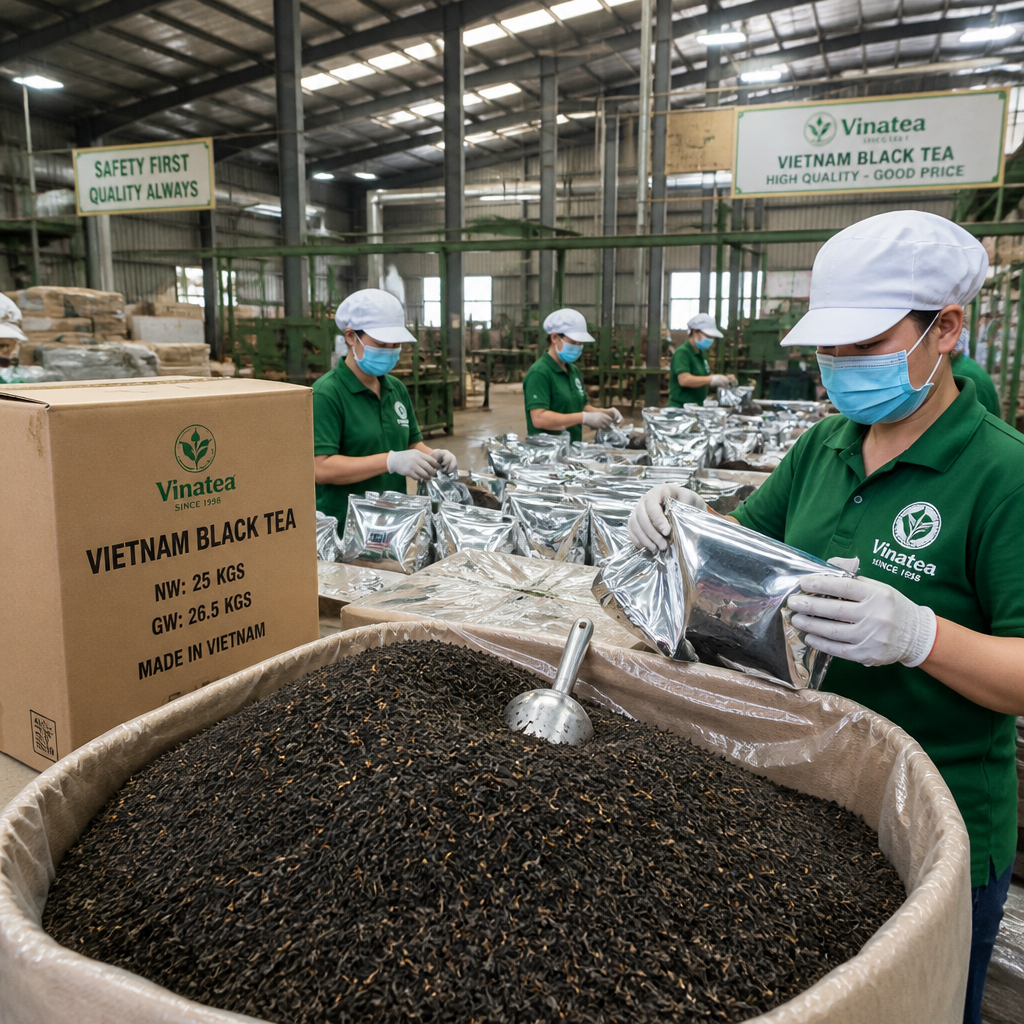
To begin with, exploring bulk packaging options is a fundamental step. Bulk packaging not only reduces costs but also enhances the efficiency of transportation. For instance, using large bags or containers can minimize the packaging material needed per unit of tea, leading to a reduction in overall expenses. Moreover, bulk packaging is environmentally friendly, aligning with the growing demand for sustainable practices in the global market.
Understanding MOQ and container supply terms is another critical area. MOQ refers to the minimum quantity that a supplier is willing to sell, which directly impacts inventory management and cash flow. For example, a supplier might set an MOQ of 1,000 kilograms per order. This means that buyers need to plan their purchases carefully to avoid excess stock and associated holding costs. Additionally, comprehending container supply terms, such as FOB (Free on Board) or CIF (Cost, Insurance, and Freight), is essential for negotiating favorable shipping conditions and costs. These terms define the responsibilities and risks between buyers and sellers during transportation.
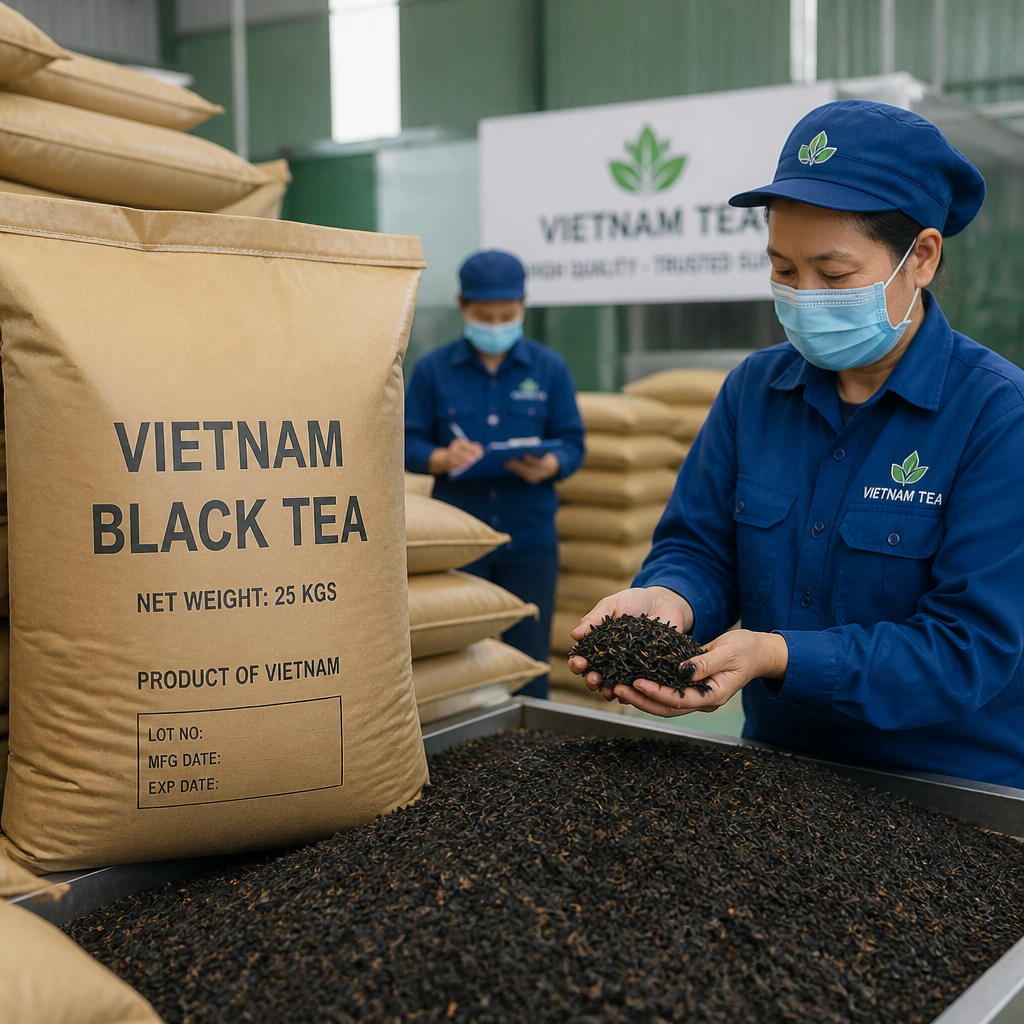
Optimizing packaging for export efficiency involves ensuring that the packaging not only protects the tea but also maximizes space utilization. This can be achieved through innovative packaging solutions such as vacuum sealing, which reduces the volume of the package, allowing more units to be shipped in a single container. Efficient packaging also ensures the preservation of tea quality during transit, maintaining its flavor and freshness upon arrival at its destination.
"According to industry experts, optimizing packaging can lead to a reduction in shipping costs by up to 20%, significantly impacting the bottom line for exporters."
In conclusion, enhancing packaging and supply chain knowledge is not just about cost-cutting; it's about strategic planning and execution that can lead to substantial competitive advantages in the global market. By focusing on these areas, Vietnam Black Tea Exporters can position themselves more favorably in the international arena, ensuring their products arrive in prime condition and at competitive prices.
Leveraging Vietnam's Black Tea Expertise
Vietnam has long been recognized as a significant player in the global black tea market, contributing substantially to the industry with its rich and diverse tea cultivation. The country's unique geographical conditions and climate create an ideal environment for tea production, enabling it to produce a variety of black teas that are appreciated worldwide for their distinct flavors and high quality.
Despite Vietnam's established role, there is considerable potential for growth in its black tea exports. As global demand for black tea continues to rise, Vietnam is well-positioned to expand its market share. According to recent data, the global black tea market is expected to grow at a compound annual growth rate (CAGR) of 4.5% from 2021 to 2026. This growth presents a lucrative opportunity for Vietnam to increase its exports by capitalizing on its expertise and enhancing its production capacity.
Furthermore, Vietnam can explore numerous opportunities in international markets. The country's strategic location in Southeast Asia allows it to easily access major tea-consuming regions such as China, India, and the Middle East. Additionally, free trade agreements, such as the Comprehensive and Progressive Agreement for Trans-Pacific Partnership (CPTPP) and the EU-Vietnam Free Trade Agreement (EVFTA), provide Vietnam with preferential access to key markets, reducing tariffs and opening doors for increased export volumes.
- ✅ Strategic Location: Proximity to major tea-consuming countries.
- ✅ Free Trade Agreements: Enhanced market access through agreements like CPTPP and EVFTA.
- ✅ Rising Global Demand: Black tea market projected to grow at a 4.5% CAGR from 2021 to 2026.
"Vietnam's black tea industry stands on the brink of significant growth, poised to leverage its strategic advantages and expand its footprint in the global market."
Focusing on improving production techniques and increasing the quality of its tea, Vietnam can further solidify its position as a leading black tea exporter. Investment in sustainable farming practices and modern processing technologies will be crucial in enhancing the quality and consistency of Vietnamese black tea, ensuring it meets international standards and consumer expectations.