Vietnam Bay Leaf Exporter offers high-quality dried bay leaves, addressing challenges in size variability, aroma, and packaging to meet global culinary demands.
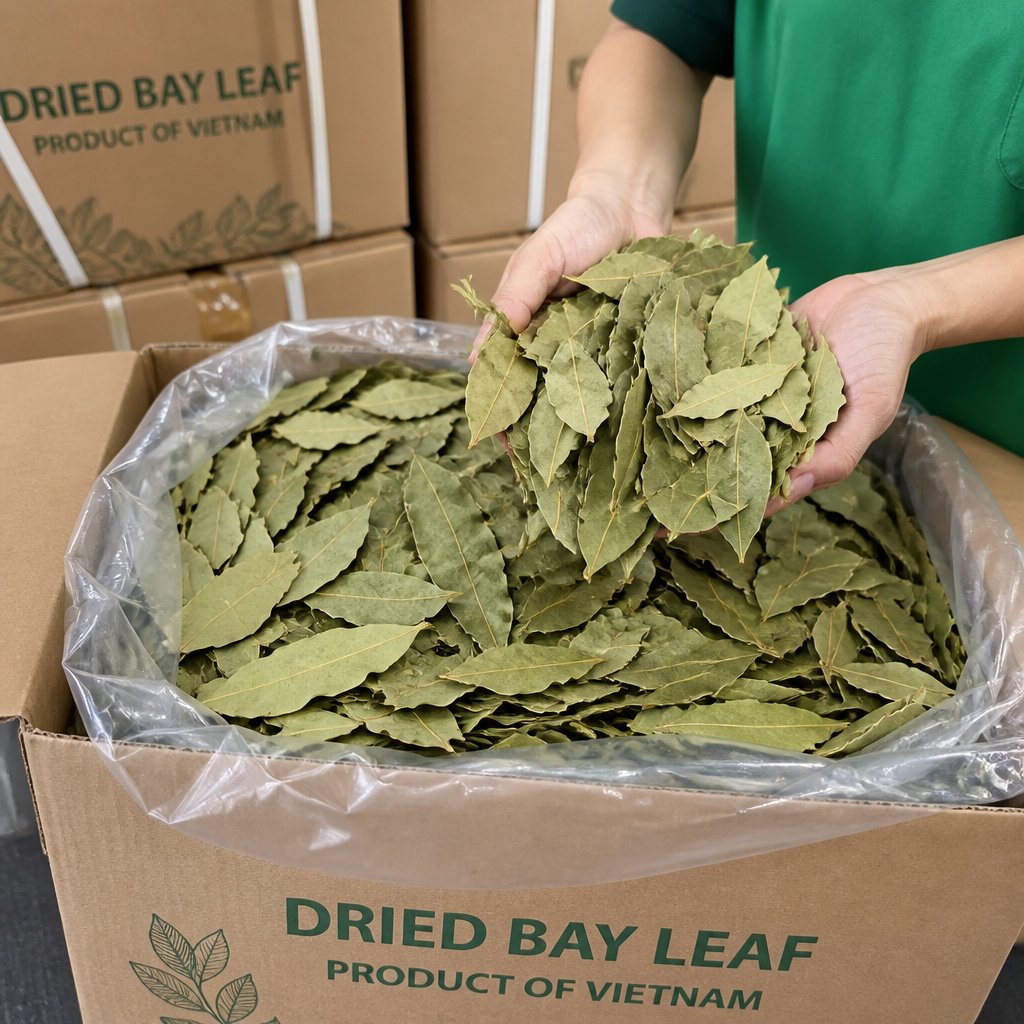
The dried bay leaf, a staple in many kitchens around the world, is more complex than it might appear at first glance. One of the main challenges faced by Vietnam Bay Leaf Exporters is the size variability of these leaves. Bay leaves can range significantly in size, from small leaves measuring just a few centimeters to larger ones that can reach up to 10 centimeters in length. This variability can affect packaging and presentation, making it difficult to maintain a uniform product appearance, which is often expected by consumers and retailers alike. The size inconsistency can also impact the cooking process, as larger leaves may require more time to infuse their flavor compared to smaller ones.
In addition to size, color differences present another layer of complexity. Dried bay leaves can vary in color from a light, almost yellowish-green to a darker olive green. These color variations can be attributed to factors such as the age of the leaves at the time of harvest, drying methods, and storage conditions. While these differences do not typically affect the flavor, they can influence consumer perception of quality, as some buyers may associate certain colors with freshness or potency. For instance, a darker hue might suggest a more mature leaf, which some chefs prefer for its robust flavor profile.
A crucial aspect of bay leaves is their aroma characteristics. The aromatic profile of bay leaves is highly valued in culinary applications, providing a distinct flavor that enhances many dishes. However, the intensity and quality of this aroma can vary based on the leaf's origin, drying process, and age. Ensuring that the aroma remains potent and true to the bay leaf's natural scent is essential for maintaining consumer satisfaction. The loss of aroma can lead to a less flavorful dish, which can be disappointing in recipes that rely heavily on the herb's unique scent.
Another important factor to consider is the moisture content of dried bay leaves. Excess moisture can lead to mold growth and spoilage, while too little moisture may cause the leaves to become brittle and lose their aromatic oils. Maintaining the right balance of moisture is critical to preserving both the quality and shelf life of the product, which is a significant concern for exporters aiming to deliver high-quality bay leaves to international markets. This balance ensures that the leaves remain pliable enough to release their essential oils during cooking.
Purity standards are paramount for Vietnam Bay Leaf Exporters striving to meet international quality expectations.
Finally, purity standards are a top priority for any reputable Vietnam Bay Leaf Exporter. Ensuring that the leaves are free from contaminants such as pesticides, dust, or foreign materials is essential to meet the stringent requirements of global food safety regulations. Adhering to these standards not only protects consumer health but also enhances the reputation of Vietnamese bay leaves in the competitive international market. The presence of impurities can lead to health risks and affect the overall culinary experience.
Challenges in Packaging and Application
In the realm of exporting dried bay leaves, particularly for a Vietnam Bay Leaf Exporter, the challenges in packaging and application are multifaceted and require careful consideration. Packaging methods play a crucial role in maintaining the quality and extending the shelf life of bay leaves, directly impacting their marketability and utility.
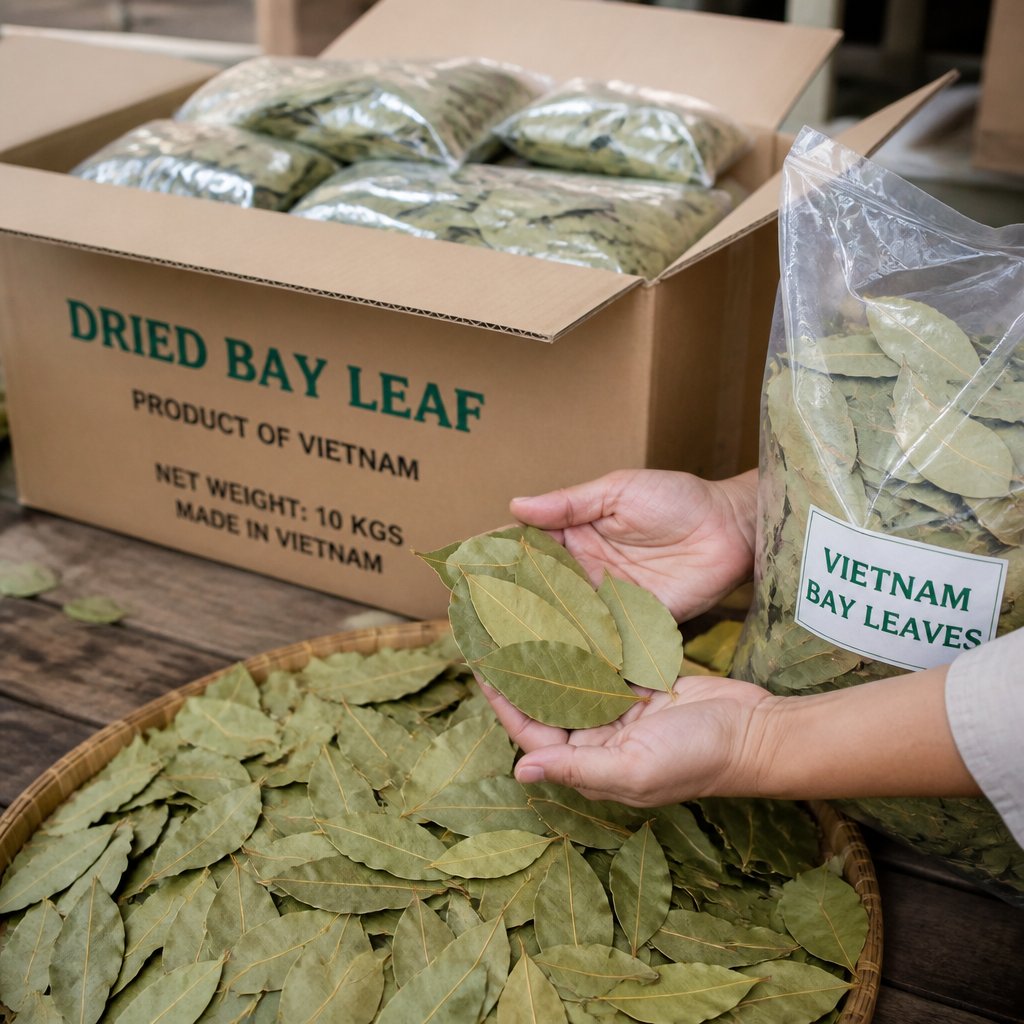
Several packaging methods are employed to preserve the quality of dried bay leaves. Common techniques include vacuum sealing, which effectively removes air and reduces oxidation, and the use of airtight containers that prevent moisture ingress. These methods are essential in safeguarding the leaves' aroma and flavor, which are critical attributes sought by consumers and culinary professionals alike. However, the choice of packaging is not solely about preservation; it also influences the product's shelf life. For instance, vacuum-sealed packages can extend the shelf life significantly compared to conventional packaging, providing a competitive edge in international markets.
Beyond preservation, the application of bay leaves is diverse, ranging from culinary uses to medicinal and aromatic applications. This diversity necessitates flexibility in packaging solutions, as different uses may demand different packaging sizes and types. For example, bulk packaging might be suitable for commercial kitchens, while smaller, consumer-friendly packages could cater to household usage. The ability to cater to different market segments through varied packaging options can enhance the product's appeal.
Consumer preferences further complicate the packaging landscape. Modern consumers are increasingly environmentally conscious, often favoring sustainable and eco-friendly packaging options. This trend poses a challenge for exporters who must balance the need for effective preservation with the demand for green packaging solutions. Additionally, consumers may have preferences for packaging that allows easy resealing or offers a window to view the product, which can influence purchasing decisions. The integration of biodegradable materials or recyclable packaging can attract eco-conscious consumers.
The choice of packaging affects the shelf life and plays a pivotal role in meeting consumer expectations and adapting to diverse application needs.
Addressing these challenges requires innovation and adaptability. Exporters must continually assess and evolve their packaging strategies to align with market trends and consumer demands while ensuring that the quality and integrity of the bay leaves are not compromised. By doing so, they can maintain a competitive position in the global market and meet the varied needs of their clientele.
International Supply Chain Issues
The global supply chain for bay leaves, particularly for exporters like Vietnam Bay Leaf Exporter, faces a myriad of challenges that can significantly impact their operations. These challenges are not only diverse but also interconnected, creating a complex web of issues that need to be navigated carefully.
One of the primary concerns is the export limitations imposed by various countries. These restrictions can take the form of quotas, tariffs, or stringent quality standards that must be met before goods can be shipped. For instance, certain countries may require specific certifications or adherence to organic farming practices, which can be a hurdle for exporters who do not have the necessary infrastructure or certifications in place. Such limitations can significantly reduce the volume of exports, affecting the overall revenue and market presence of exporters.
Adding to this complexity are the supply chain disruptions that have become increasingly common in recent years. Events such as natural disasters, geopolitical tensions, and the COVID-19 pandemic have all contributed to interruptions in the supply chain. For example, the pandemic led to global shipping delays and container shortages, which increased transportation costs and delivery times. These disruptions can lead to a ripple effect, causing delays in getting products to market and potentially leading to shortages or overstock situations.
The issue of global demand challenges also looms large. While there is a steady demand for bay leaves in culinary and medicinal applications, fluctuations in global markets can lead to unpredictable demand patterns. Economic downturns or changes in consumer preferences can result in reduced demand, leaving exporters with surplus stock. Conversely, a sudden spike in demand can lead to supply shortages, driving up prices and leading to potential loss of market share if competitors can meet the demand more efficiently.
Furthermore, trade barriers pose a significant challenge. These can include tariffs, import/export bans, and other regulatory hurdles that vary from country to country. For example, certain countries may impose high tariffs on agricultural imports to protect local industries, making it less economically viable for exporters to enter those markets. Additionally, political tensions can lead to sudden changes in trade policies, creating uncertainty and risk for exporters who rely on stable trade relations.
An industry expert noted that navigating these international supply chain issues requires a strategic approach, where understanding each element's impact can help mitigate risks and capitalize on opportunities.
Ultimately, understanding and addressing the significant challenges faced by Vietnam Bay Leaf Exporters in the international supply chain is crucial for maintaining and expanding their market presence. By staying informed and adaptable, exporters can better manage the risks associated with export limitations, supply chain disruptions, global demand challenges, and trade barriers.
Consequences of Ignoring Bay Leaf Quality
Overlooking the quality of bay leaves, particularly for exporters like those from Vietnam, can have a profound impact on multiple facets of the industry, from culinary outcomes to economic ramifications. Understanding these consequences is crucial for stakeholders at every level of the supply chain.
Impact on Culinary Outcomes
The culinary world places a high value on the quality of bay leaves, as they are a staple in many recipes. Poor quality bay leaves can significantly affect the taste and aroma of dishes. For instance, bay leaves that are too dry or lack the characteristic aroma can result in bland or unappealing meals, disappointing both chefs and consumers. This is particularly problematic for restaurants and food manufacturers who rely on consistency and quality to maintain their reputation.
Potential Health Risks
Ignoring bay leaf quality is not just a matter of taste; it can also pose health risks. Contaminated bay leaves, whether through improper drying or storage, can harbor mold or other pathogens that may lead to foodborne illnesses. For consumers, this is a serious concern, especially when these leaves are used in dishes that are not cooked thoroughly, allowing potential contaminants to survive and cause harm.
Economic Losses for Businesses
The economic implications for businesses dealing with subpar bay leaves are substantial. Companies that distribute or use low-quality bay leaves may face increased returns and customer complaints, leading to a loss of revenue. Moreover, the cost of replacing poor-quality stock and addressing consumer grievances can be significant. For a Vietnam Bay Leaf Exporter, maintaining high standards is essential to avoid these financial pitfalls and sustain their position in the competitive global market.
Consumer Dissatisfaction
Consumer dissatisfaction is an inevitable outcome of ignoring bay leaf quality. When consumers encounter bay leaves that do not meet their expectations, whether due to poor aroma, flavor, or appearance, their trust in the brand or supplier diminishes. This dissatisfaction can lead to negative reviews and a decline in customer loyalty, which is particularly damaging in an age where online feedback can rapidly influence public perception.
John Ruskin once said, "Quality is never an accident; it is always the result of intelligent effort."
Neglecting bay leaf quality extends far beyond immediate culinary disappointments, encompassing health risks, economic losses, and consumer trust. These factors can significantly impact the success and reputation of businesses involved in the bay leaf supply chain.
Solutions for Improving Bay Leaf Quality
As the demand for high-quality bay leaves grows globally, Vietnam Bay Leaf Exporters are increasingly focusing on innovative solutions to address quality challenges. These solutions encompass advanced processing techniques, innovative packaging, strengthening supply chain resilience, and rigorous quality assurance practices.
Advanced Processing Techniques
The adoption of advanced processing techniques is crucial in enhancing the quality of dried bay leaves. These techniques involve the use of state-of-the-art machinery that ensures consistent size, color, and aroma. For instance, implementing automated sorting systems can significantly reduce size variability and improve product uniformity. Additionally, advanced drying methods, such as vacuum drying, help maintain the optimal moisture content, preserving the leaves' essential oils and flavors. This not only enhances the culinary value of the leaves but also extends their shelf life.
Innovative Packaging Solutions
Packaging plays a vital role in preserving the quality of bay leaves during storage and transportation. Innovative packaging solutions, such as vacuum-sealed bags and moisture-resistant pouches, are being increasingly utilized to protect the leaves from environmental factors that can degrade their quality. These packaging methods not only extend shelf life but also meet diverse consumer preferences by offering convenient and sustainable options. As a result, consumers can enjoy fresher, more flavorful bay leaves, which enhances their overall experience.
Strengthening Supply Chain Resilience
To mitigate the impact of international supply chain disruptions, Vietnam Bay Leaf Exporters are focusing on strengthening supply chain resilience. This involves diversifying supply sources, investing in local production facilities, and establishing robust logistics networks. By doing so, exporters can ensure a steady supply of high-quality bay leaves, even in the face of global challenges such as trade barriers and export limitations. This strategic approach not only safeguards the business against potential economic losses but also ensures consistent quality for consumers worldwide.
Quality Assurance Practices
Implementing stringent quality assurance practices is essential to maintain the high standards expected by international markets. This includes regular inspections, adherence to purity standards, and compliance with international food safety regulations. For example, conducting periodic laboratory tests to check for contaminants ensures that the bay leaves meet health and safety requirements. Additionally, obtaining certifications from recognized bodies can enhance the credibility of the products and build consumer trust. By prioritizing quality assurance, Vietnam Bay Leaf Exporters can minimize consumer dissatisfaction and bolster their reputation in the global market.
A leading expert from the Vietnam Bay Leaf Exporter sector noted that advanced processing and innovative packaging are pivotal in maintaining the quality and extending the shelf life of bay leaves.
By integrating these solutions, Vietnam Bay Leaf Exporters can not only improve the quality of their products but also strengthen their position in the competitive global market. These efforts are essential to meet the increasing expectations of consumers and maintain the economic viability of the bay leaf industry.