Vietnam Banana Exporter offers high-quality bananas, meeting international standards like VietGAP and GlobalGAP, ensuring freshness and sustainability for global markets.
The global banana market faces a series of challenges that impact producers and exporters, including those in Vietnam. One of the primary issues is the fluctuating demand in international markets. This volatility can be attributed to changing consumer preferences, economic conditions, and competition with other fruits. For instance, during certain periods, there may be a surge in demand for tropical fruits like mangoes or avocados, which can affect the market share for bananas.
Another significant challenge is the intense competition with other fruit exports. Countries that export bananas often also produce a variety of other fruits, which can lead to a competitive environment where bananas must vie for attention and resources. This competition can affect pricing and profitability for banana exporters, including those operating as Vietnam Banana Exporters.
Moreover, the varying quality standards across different regions pose a complex obstacle. While some markets, such as the European Union, have stringent quality requirements, others may have less rigorous standards. This disparity can lead to inconsistencies in export quality and complicate efforts to maintain a uniform brand reputation globally. As a result, exporters must navigate these differing standards to ensure compliance and customer satisfaction.
The Consequences of Ignoring Market Dynamics
In the competitive landscape of the global banana market, ignoring market dynamics can lead to several significant consequences. One of the most immediate impacts is the loss of market share for producers. As demand fluctuates and consumer preferences shift, producers who fail to adapt may find themselves overshadowed by more agile competitors. This is particularly true for Vietnam Banana Exporters who must remain vigilant to maintain their foothold in key markets.
The economic impact on exporting regions cannot be understated. Regions heavily reliant on banana exports, such as certain provinces in Vietnam, may experience economic downturns if their products become less competitive globally. This can lead to reduced income for local farmers and a decline in regional economic stability, affecting everything from employment rates to local infrastructure development.
Moreover, there is the potential decline in quality and reputation. As market standards evolve, producers who do not keep pace may see their products fall short of international quality expectations. This affects immediate sales and can tarnish the long-term reputation of the exporting region, making it more difficult to regain trust and market position once lost. Such a decline could be detrimental to Vietnam's burgeoning reputation as a quality banana supplier.
Understanding the Global Banana Market
The global banana market is a complex and dynamic ecosystem, characterized by its diverse production bases and expansive trade networks. To grasp its intricacies, one must first look at the overview of global banana production. Bananas are grown in over 135 countries, with an annual production exceeding 116 million tonnes. This widespread cultivation underscores the fruit's significance as a staple food and a key economic commodity.
Among the major exporting countries, Latin America stands out as a dominant force. Nations such as Ecuador, Colombia, and Costa Rica are at the forefront, thanks to their favorable climates and established agricultural practices. Ecuador, for instance, is the world's largest banana exporter, contributing approximately 25% of global exports. Their success is bolstered by efficient supply chains and robust international trade agreements.
On the other hand, Asia is emerging as a significant player in the banana export market. Vietnam, in particular, is gaining recognition as a reliable Vietnam Banana Exporter, with a focus on quality and sustainable practices. The country's strategic investments in infrastructure and logistics have enhanced its export capabilities, allowing it to penetrate key markets such as Japan, South Korea, and the European Union.
The key import markets for bananas are primarily in North America and Europe, where the demand for fresh bananas is consistently high. The United States and the European Union are the largest consumers, driven by a combination of population size and dietary preferences. These regions not only demand large volumes but also place significant emphasis on quality and compliance with stringent import standards.
"Ecuador leads the global banana export market, contributing around 25% of the world's supply."
Understanding these dynamics is crucial for stakeholders looking to navigate the global banana market effectively. By recognizing the major players and their respective markets, businesses can better strategize their operations to maximize both reach and profitability.
Key Varieties in Global Trade
In the global banana trade, the Cavendish variety stands out as the most traded type. Its popularity stems from its resilience to shipping and consistent quality, making it a staple in international markets. The Cavendish banana dominates the shelves in many Western countries due to its sweet taste and appealing appearance, which align with consumer preferences.
However, the Cavendish is not the only variety contributing to the vibrancy of the banana trade. Other notable varieties include Gros Michel and Lady Finger. The Gros Michel, once the dominant variety before the rise of Cavendish, is known for its robust flavor and creamy texture, although its susceptibility to disease has reduced its prevalence. Meanwhile, Lady Finger bananas, appreciated for their small size and sweet taste, cater to niche markets and are particularly popular in regions with a preference for unique culinary experiences.
- ⚡ Regional Preferences: Different regions have distinct preferences that significantly impact trade dynamics. For instance, while the Cavendish is favored in the United States and Europe, Asian markets often show a preference for the sweeter and smaller Lady Finger variety.
- 💡 Impact on Trade: These regional preferences necessitate diverse supply chains and marketing strategies, influencing how exporters like Vietnam Banana Exporter position their products in various markets.
Understanding these preferences is crucial for suppliers aiming to optimize their reach and cater to the specific demands of each market segment.
Growth Drivers in the Banana Export Market
The banana export market is experiencing significant growth, driven by several key factors. One of the most notable is the increasing demand in North America and the Middle East. These regions have seen a surge in banana consumption due to rising health consciousness and the fruit's versatility in various diets. As consumers in these areas become more aware of the nutritional benefits of bananas, demand is expected to continue its upward trajectory.
Another crucial driver is the adoption of sustainable and organic farming practices. With global awareness of environmental issues on the rise, both producers and consumers are leaning towards more eco-friendly agricultural methods. This shift not only helps in reducing the carbon footprint but also caters to the growing market segment that prioritizes organic produce. Vietnam Banana Exporters are increasingly adopting these practices to meet international standards and consumer expectations.
Moreover, technological advancements in agriculture are playing a pivotal role in boosting banana production efficiency. Innovations such as precision farming, advanced irrigation systems, and the use of drones for monitoring crop health are enhancing yield and quality. These technologies allow producers to optimize resources, reduce waste, and maintain consistent quality, which is crucial for meeting the diverse quality standards of different import markets.
In summary, the banana export market's growth is driven by rising demand in strategic regions, a shift towards sustainable farming, and technological innovations that enhance production efficiency. These factors collectively position Vietnam Banana Exporters to capitalize on emerging opportunities in the global market.
Why Understanding the Market Matters for Buyers
In the competitive realm of banana exportation, particularly from Vietnam, buyers are increasingly discerning about the quality and standards of the produce they purchase. The influence of quality cannot be overstated; it directly affects purchasing decisions as consumers and retailers demand consistency and excellence. For instance, the adherence to international standards such as VietGAP and GlobalGAP ensures that Vietnamese bananas meet the stringent requirements of foreign markets, thereby enhancing their appeal and competitiveness.
Moreover, the efficiency of the supply chain plays a crucial role in determining costs. Efficient logistics and streamlined operations can significantly reduce expenses, allowing exporters to offer more competitive pricing. This efficiency is vital in a market where cost margins can be tight, and any savings can be a decisive factor for buyers looking to maximize their investments.
Equally important is the emphasis on sustainable sourcing, which has become a cornerstone for branding. As consumers grow more environmentally conscious, the demand for sustainably sourced bananas is on the rise. Companies that prioritize sustainability not only enhance their brand image but also meet the growing consumer expectations for ethical and eco-friendly products. This trend is particularly relevant for Vietnam Banana Exporters aiming to position themselves as leaders in both quality and sustainability.
Key Players and Major Exporting Regions
The global banana market has long been dominated by Latin American countries, which continue to hold a significant share due to their established export networks and high production volumes. Nations such as Ecuador, Colombia, and Costa Rica are at the forefront, leveraging their favorable climates and extensive agricultural expertise to maintain their leadership. This dominance, however, is being increasingly challenged by emerging players from Asia.
Asian countries are making notable inroads into the banana export market. With improvements in infrastructure and logistics, these nations are enhancing their export capabilities. Countries like the Philippines and India have been increasing their contributions, driven by their focus on quality and sustainable farming practices. This shift is gradually altering the dynamics of the global banana trade.
Among these emerging Asian contributors, Vietnam is carving out a rising presence as a significant banana exporter. The country has been focusing on quality and sustainability, which aligns well with global consumer trends. Vietnam's strategic export markets include Japan, South Korea, and the European Union, where demand for high-quality bananas is robust. As a Vietnam Banana Exporter, the nation is poised to expand its influence, offering a competitive alternative to traditional suppliers.
Latin America: A Dominant Force
Latin America stands as a pivotal player in the global banana market, with countries like Ecuador, Colombia, and Costa Rica leading the charge. These nations are not only top producers but also have established extensive export networks, ensuring a steady supply to international markets. Ecuador, for instance, is renowned for its high production volume, which allows it to maintain a significant presence on the global stage.
However, this dominance is not without its challenges. Environmental concerns, such as deforestation and pesticide use, pose significant threats to sustainable production. Additionally, labor issues, including fair wages and working conditions, are ongoing challenges that these countries face. Addressing these issues is crucial for maintaining their standing in the global market.
Despite these challenges, the established export networks of these countries provide a robust framework for the distribution of bananas worldwide. Their ability to consistently meet international demand highlights the importance of Latin America as a dominant force in the banana industry.
Asia’s Significant Contribution
As a burgeoning player in the global banana market, Vietnam has made significant strides by focusing on quality and sustainability. This strategic emphasis has allowed Vietnam to carve out a niche in several lucrative export markets, including Japan, South Korea, and the European Union. These regions are known for their stringent quality standards and preference for sustainably grown produce, aligning perfectly with Vietnam's agricultural strategies.
Vietnam's commitment to quality is evident in its adoption of international certifications like VietGAP and GlobalGAP, which ensure that bananas meet high standards of safety and environmental responsibility. By adhering to these protocols, Vietnam not only enhances its reputation as a reliable supplier but also meets the growing consumer demand for ethically sourced and environmentally friendly products.
Moreover, Vietnam has invested heavily in infrastructure and logistical improvements, which are crucial for maintaining the freshness and quality of bananas during transit. The development of modern transportation networks and cold chain facilities has significantly reduced transit times and minimized spoilage, making Vietnamese bananas more competitive on the international stage.
"Vietnam's strategic focus on quality and sustainability has positioned it as a formidable competitor in the global banana market, catering to the discerning tastes of markets like Japan and the EU."
These advancements underscore Vietnam's potential to become a major player in the global banana export market, challenging the traditional dominance of Latin American countries and contributing significantly to Asia's growing influence in the sector.
The Banana Supply Chain: From Farm to Port
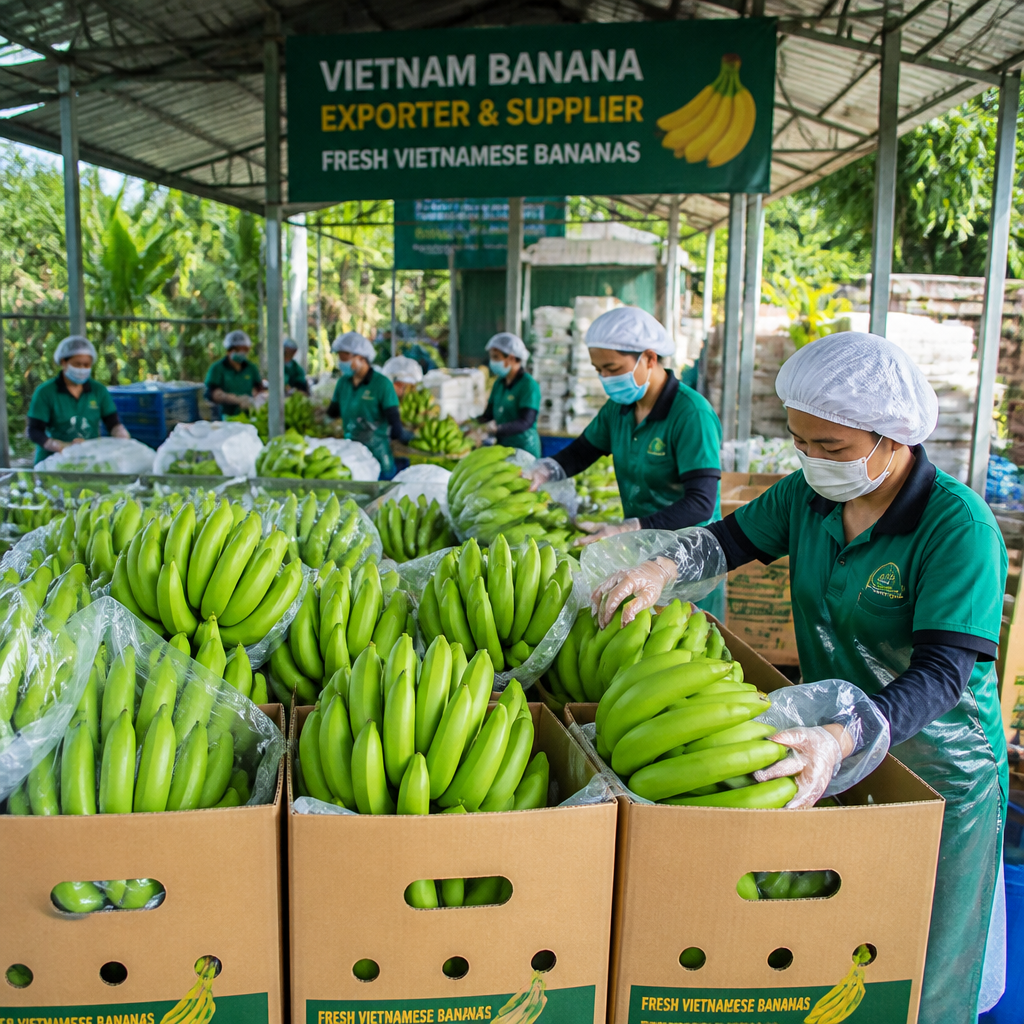
The journey of bananas from farm to port is a meticulous process that ensures the fruit's freshness and quality upon reaching international markets. One of the critical stages in this supply chain is the manual harvesting techniques employed by farmers. Unlike mechanized harvesting, manual methods allow workers to carefully select and cut the bananas at the optimal ripeness, reducing damage to the fruit and ensuring a high-quality product.
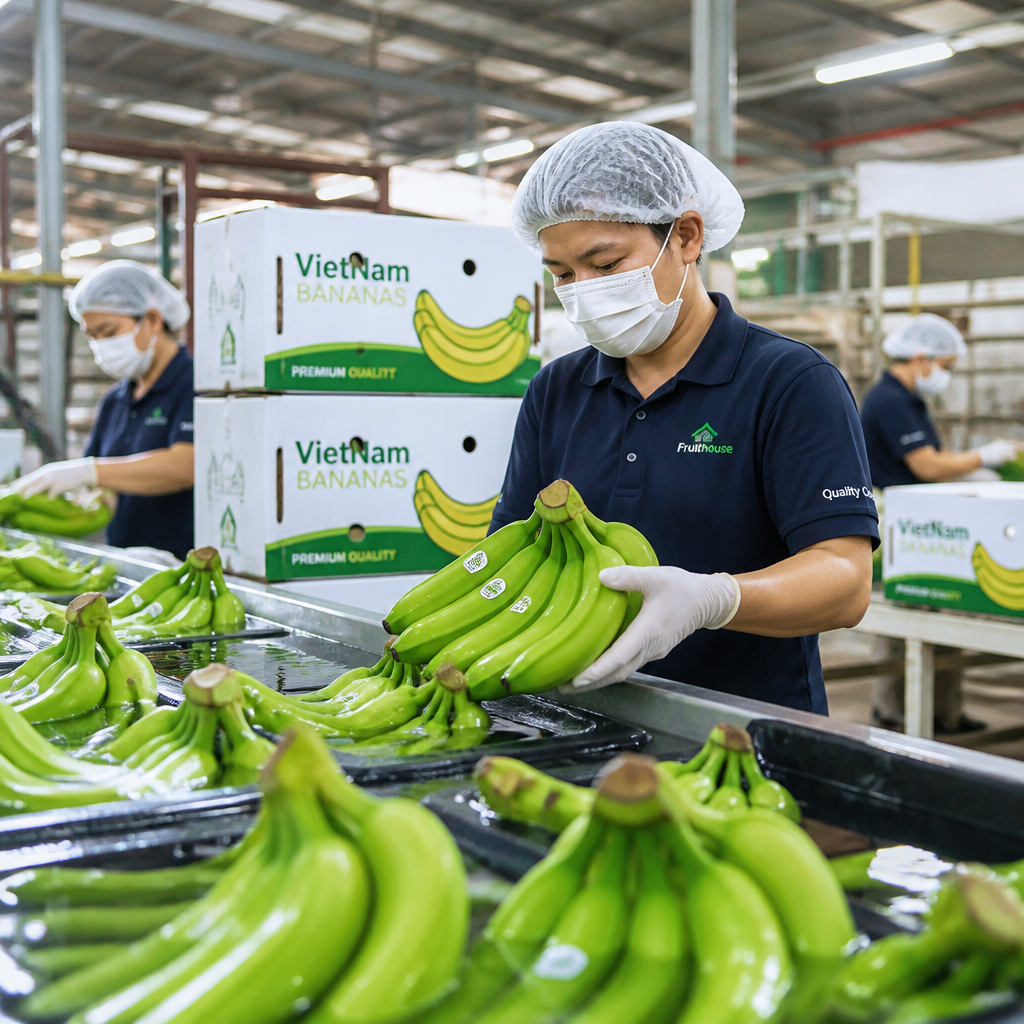
Once harvested, the bananas are promptly packed using specific packaging methods designed to maintain their integrity during transit. The use of ventilated cartons and polyethylene bags is common practice. Ventilated cartons enable air circulation, which is crucial for preventing moisture buildup and reducing the risk of spoilage. Polyethylene bags, on the other hand, help in maintaining the right humidity levels, further protecting the bananas from dehydration and external contaminants.
Another essential step in the supply chain is the pre-cooling processes that the bananas undergo before shipping. This process involves rapidly cooling the fruit to remove field heat, which is vital for preserving freshness and extending shelf life. Pre-cooling not only slows down the ripening process but also minimizes the potential for microbial growth, ensuring that the bananas arrive at their destination in optimal condition.
"The meticulous handling and packaging of bananas are pivotal in safeguarding their quality from farm to port, emphasizing the commitment of Vietnam Banana Exporters to deliver premium produce."
Logistics and Shipping
In the competitive landscape of the banana export market, logistics and shipping play a crucial role in ensuring the quality and freshness of the product upon arrival. One of the primary strategies employed by Vietnam Banana Exporters is the use of refrigerated containers. These containers are essential for maintaining the integrity of bananas during transit, especially over long international shipping routes.
Temperature control is critical, with the ideal range set between 13.5-14.5°C. This specific range is crucial as it helps in slowing down the ripening process, thus extending the shelf life of the bananas. Any deviation from this temperature range can result in premature ripening or spoilage, which not only affects the quality but also the market value of the bananas.
However, the logistics of transporting bananas internationally are not without challenges. Shipping routes can be unpredictable due to factors such as weather conditions, port congestion, and geopolitical issues. These variables can lead to delays, which pose a significant risk to the freshness of the bananas. For instance, a delay in transit can disrupt the temperature-controlled environment, leading to potential losses.
To mitigate these risks, Vietnam Banana Exporters are continuously innovating and optimizing their logistics strategies. By investing in state-of-the-art refrigerated containers and collaborating closely with shipping partners, they aim to ensure timely deliveries and maintain the high quality that international buyers expect. This focus on logistics and shipping not only enhances their reputation but also strengthens their position in the global banana market.
Quality Control and Compliance in Banana Export
In the competitive landscape of banana exports, adhering to international quality standards is paramount for maintaining market position and ensuring consumer trust. Vietnam Banana Exporter has committed to meeting rigorous standards such as VietGAP and GlobalGAP. These certifications are not merely labels; they signify a comprehensive approach to sustainable and safe agricultural practices, which are crucial for accessing demanding markets like the EU and Japan.
Quality control processes in banana exports involve meticulous washing, sorting, and packing protocols. These steps are essential to prevent contamination and ensure that only the best quality bananas reach international markets. The washing process removes any impurities, while sorting ensures that bananas are categorized by size and quality. Packing, often in ventilated cartons or polyethylene bags, protects the fruit during transit and helps maintain freshness.
Another critical aspect of compliance is ensuring minimal pesticide residues. Consumers are increasingly concerned about food safety, and excessive pesticide residues can lead to market rejections and damage to brand reputation. By adhering to these standards, Vietnam Banana Exporter not only meets regulatory requirements but also aligns with consumer expectations for healthier and safer products.
"The commitment to standards like VietGAP and GlobalGAP not only opens doors to premium markets but also reinforces trust in Vietnamese bananas globally."
Sustainability and Ethical Sourcing
As a Vietnam Banana Exporter, integrating sustainability and ethical sourcing into business practices is not just a trend but a necessity. The use of organic fertilizers and smart irrigation systems highlights the commitment to reducing environmental impact. These practices not only enhance soil health and water efficiency but also contribute to a more sustainable agricultural model. By minimizing the use of chemical fertilizers, the industry helps preserve local ecosystems and ensures the long-term viability of banana farming.
Efforts to reduce environmental impact extend beyond cultivation techniques. Implementing ethical labor practices and adhering to fair trade considerations are crucial. This ensures that workers are treated fairly and that their rights are respected, contributing to a more equitable and sustainable supply chain. Fair trade practices also help in building trust with international buyers who are increasingly concerned about the sourcing ethics of their products.
These initiatives address environmental and social issues while enhancing the reputation of Vietnamese bananas in the global market. By prioritizing sustainability and ethical sourcing, Vietnam strengthens its position as a responsible and competitive player in the banana export industry.
What Buyers Should Look For
When considering a Vietnam Banana Exporter, buyers must prioritize several critical factors to ensure they receive high-quality produce that meets their needs. These factors include certifications and quality standards, sustainability credentials, and the reliability of the supplier's logistics network.
- Certifications and Quality Standards: It's essential for buyers to verify that their suppliers comply with international quality standards such as VietGAP and GlobalGAP. These certifications ensure that the bananas are produced under stringent quality controls, which include proper washing, sorting, and packing protocols. Compliance with these standards also guarantees minimal pesticide residues, ensuring the safety and quality of the bananas.
- Sustainability Credentials: In today's market, sustainability is not just a buzzword but a crucial component of a supplier's credibility. Buyers should look for suppliers who use organic fertilizers, smart irrigation techniques, and engage in efforts to reduce their environmental impact. Ethical labor practices and fair trade considerations further enhance a supplier's sustainability profile, making them more attractive to environmentally conscious consumers.
- Supplier Reliability and Logistics Network: The reliability of a supplier's logistics network can significantly impact the freshness and quality of the bananas upon arrival. Buyers should evaluate the supplier's ability to maintain temperature control between 13.5-14.5°C during shipping, as well as their use of refrigerated containers. A robust logistics network ensures timely delivery and minimizes potential losses due to spoilage.
By focusing on these key aspects, buyers can make informed decisions that align with their quality expectations and ethical standards, ensuring a successful partnership with their chosen Vietnam Banana Exporter.