
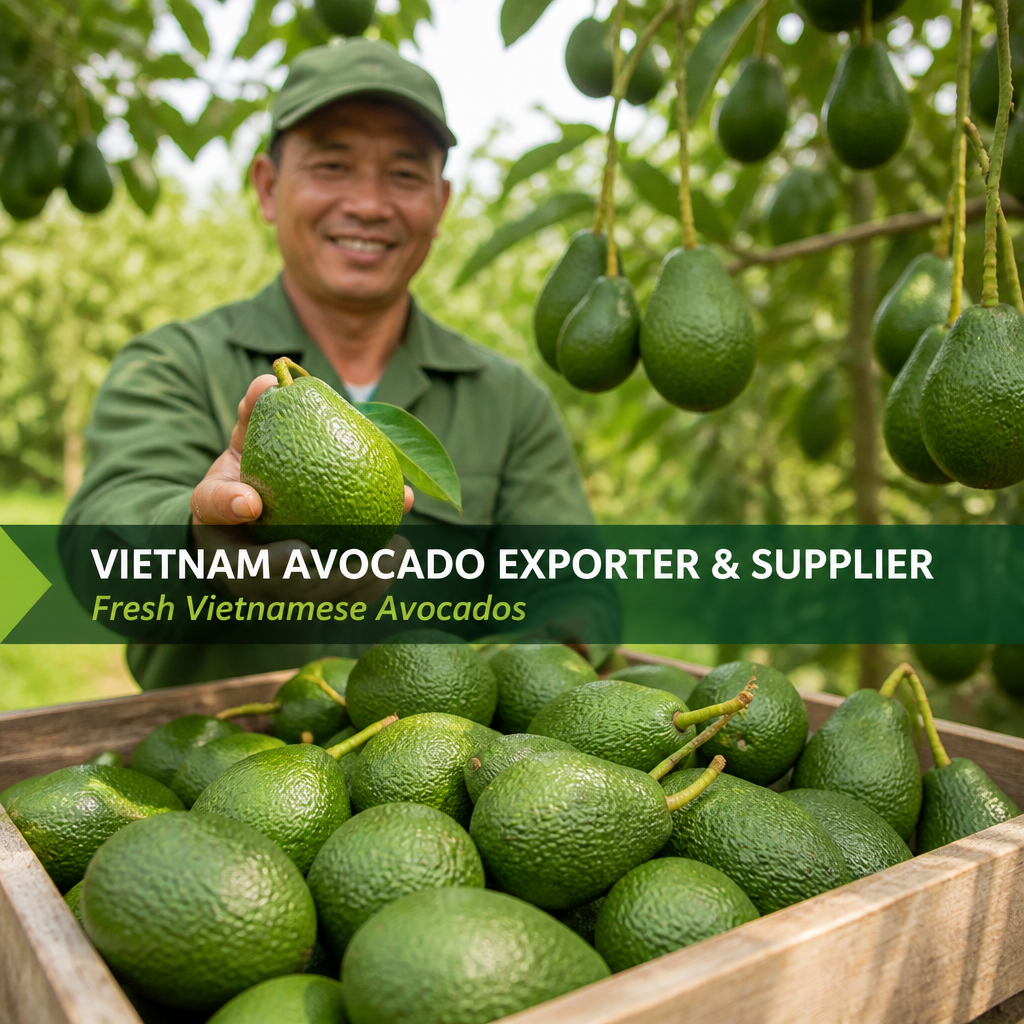
Vietnam Avocado Exporter offers high-quality avocados from the fertile Central Highlands, overcoming challenges with sustainable practices for global market success.
Vietnam is renowned for cultivating green-skinned avocado varieties like Sap, Booth, and 034, predominantly in the Central Highlands provinces such as Dak Lak, Lam Dong, and Dak Nong. These areas boast fertile soil and favorable climate conditions essential for avocado farming. Nevertheless, avocado cultivation encounters several challenges despite these advantages.
Avocado cultivation demands not only fertile soil but also a climate conducive to optimal growth. While the Central Highlands of Vietnam provide these conditions, the unique requirements of each avocado variety can complicate farming. For example, the Sap variety, celebrated for its creamy texture, flourishes in well-drained soil and necessitates meticulous water management to avert root rot. Likewise, the Booth and 034 varieties require specific temperature and humidity levels to maintain fruit quality, rendering climate variability a persistent challenge for farmers.
Moreover, these challenges are intensified by the necessity for sustainable farming practices to preserve soil fertility and prevent environmental degradation. Dependence on traditional farming methods may result in soil depletion and decreased yields over time. Consequently, Vietnam's avocado farmers must manage these complexities to stay competitive in the global market, particularly as a Vietnam Avocado Exporter. Tackling these challenges is vital for ensuring the long-term sustainability of avocado cultivation in these regions.
Consequences of Poor Cultivation Practices
The cultivation of avocados in Vietnam, while promising, is fraught with significant challenges that stem from inadequate farming practices. One of the most pressing issues is the potential for environmental degradation. Improper land use and excessive application of chemical fertilizers and pesticides can lead to soil contamination and loss of biodiversity. This not only affects the immediate farming environment but can also have long-term repercussions on the regional ecosystem.
Moreover, these poor practices pose economic risks for local farmers. Inconsistent yields and lower quality produce can result in reduced market prices, directly impacting the livelihoods of those dependent on avocado farming. For instance, farmers in the Central Highlands, a key avocado-growing region, may face financial instability if their produce does not meet market standards.
Another critical concern is water resource management issues. Avocado cultivation requires substantial water input, and inefficient irrigation practices can lead to water scarcity, affecting both agricultural and household needs in the region. This is particularly worrying in areas like Dak Lak and Lam Dong, where water resources are already under pressure from various agricultural activities.
"The sustainability of avocado farming in Vietnam hinges on addressing these environmental and economic challenges," notes a report on agricultural practices in the region.
Addressing these issues is crucial for the long-term viability of Vietnam's avocado industry, ensuring that it can thrive without compromising the environment or the economic stability of local communities.
Optimizing Avocado Growth Conditions
To succeed as a Vietnam Avocado Exporter, optimizing avocado growth conditions is crucial, especially considering the previously mentioned challenges and consequences. This can be achieved by adopting sustainable farming practices, implementing efficient water management, and capitalizing on Vietnam's fertile soil and favorable climate.
Sustainable farming practices are at the heart of maintaining healthy avocado crops. These practices include crop rotation, organic farming, and the use of natural pest control methods. By reducing reliance on chemical fertilizers and pesticides, farmers can protect the environment and enhance the quality of their produce. Moreover, sustainable practices contribute to the long-term viability of avocado farming, ensuring that the land remains productive for future generations.
Water management is another critical aspect. Avocado trees require a consistent water supply, but over-irrigation can lead to root rot and other issues. Implementing efficient irrigation systems, such as drip irrigation, can help manage water usage effectively. This not only conserves water resources but also ensures that the trees receive the right amount of moisture to support healthy growth.
The fertile soil and favorable climate of Vietnam present a natural advantage for avocado cultivation. The Central Highlands, encompassing areas like Dak Lak, Lam Dong, and Dak Nong, provide optimal conditions for cultivating green-skinned varieties such as Sap, Booth, and 034. By leveraging these natural benefits, farmers can produce high-quality avocados that meet international standards and attract global markets.
"Leveraging Vietnam's natural resources and sustainable practices is crucial for the success of avocado exports," noted a leading agricultural expert.
In conclusion, optimizing avocado growth conditions through sustainable practices, efficient water management, and leveraging natural advantages is vital for Vietnam's position as a prominent avocado exporter. These strategies not only enhance the quality and yield of avocados but also contribute to environmental sustainability and economic stability for local farmers.
Importance of Proper Post-Harvest Handling
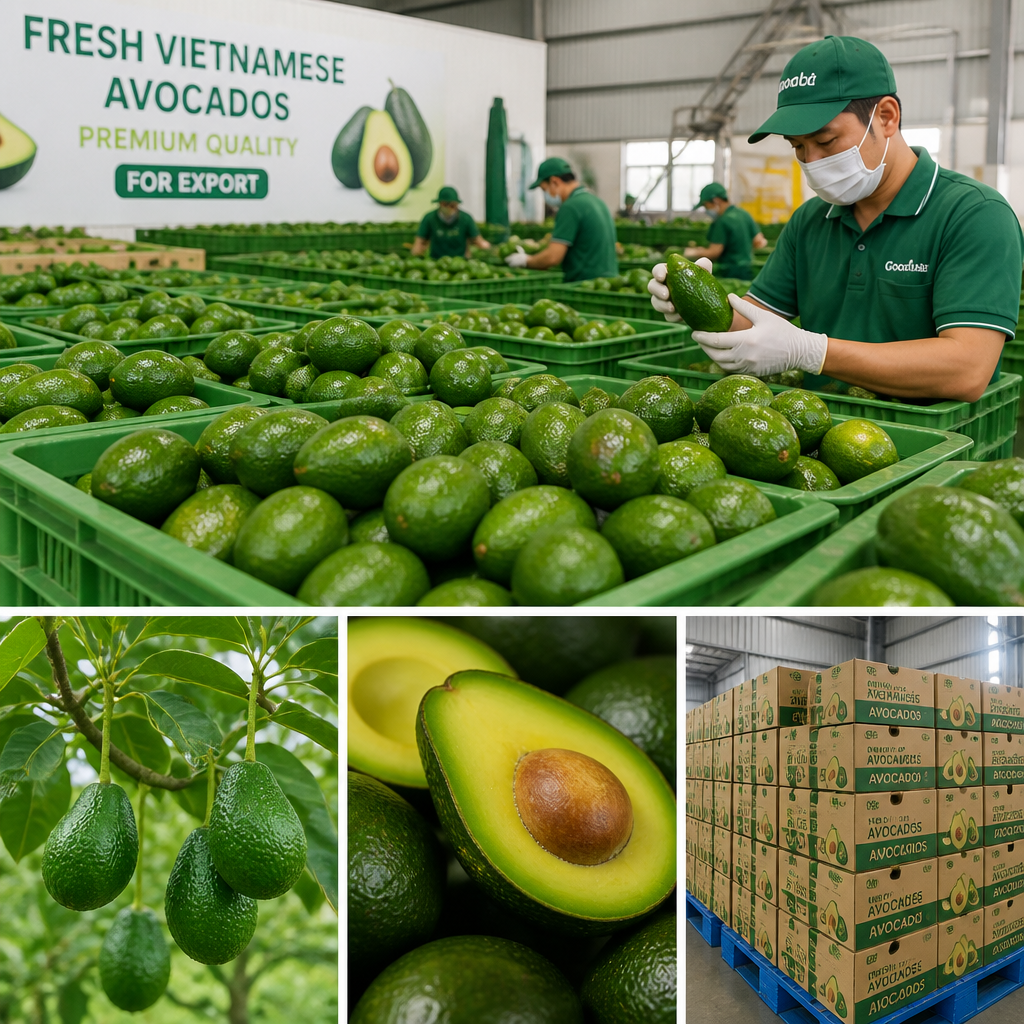
The journey from farm to table is filled with challenges, particularly for a Vietnam Avocado Exporter. Proper post-harvest handling is essential to ensure that avocados retain their quality and reach international markets in prime condition. A critical component of this process is grading the avocados based on size, weight, and skin quality. This grading system categorizes avocados, ensuring each fruit meets the quality standards of different markets. For example, larger and heavier avocados with smooth skin are typically favored in high-end markets, offering better economic returns.
Another critical step is the harvesting of firm avocados. Unlike other fruits, avocados do not ripen on the tree. They need to be harvested when they are firm, which allows them to withstand the rigors of transportation. Firm avocados are less susceptible to bruising and damage, which is vital for maintaining quality during long journeys to international destinations.
Maintaining the right temperature and humidity levels during storage and transportation is equally important. Avocados should be kept at a temperature of 5-7°C with a humidity level of 85-95%. This controlled environment slows down the ripening process and minimizes spoilage, ensuring that the avocados remain fresh upon arrival at their destination. Such precise conditions require sophisticated logistics and infrastructure, underscoring the complexity and importance of post-harvest handling in the avocado supply chain.
"Effective post-harvest handling is not just about preserving quality; it's about securing the economic future of Vietnam's avocado industry."
Risks of Inadequate Post-Harvest Processes
In the realm of avocado exportation, especially for a Vietnam Avocado Exporter, post-harvest processes are pivotal in determining the success of delivering fresh produce to international markets. A major risk linked to inadequate post-harvest handling is the quality degradation during transport. Avocados are delicate fruits that need specific conditions to preserve their quality. Without proper handling, they can experience bruising and over-ripening, significantly diminishing their quality upon arrival.
Another significant concern is the potential spoilage without controlled conditions. Avocados need to be stored at temperatures between 5-7°C with humidity levels ranging from 85-95%. Deviating from these conditions can accelerate spoilage, rendering the fruit unsellable. The lack of controlled environments during storage and transport can result in a high percentage of waste, which is not only economically detrimental but also contributes to food loss.
The repercussions of these issues are severe, leading to a loss of export opportunities. When the quality of avocados is compromised, it affects the reputation of Vietnamese avocados in the global market. This can result in importers choosing suppliers from other countries with more reliable post-harvest processes. Consequently, Vietnam may lose its competitive edge, affecting the livelihoods of local farmers who depend on these exports.
"Without proper post-harvest handling, Vietnam's avocado export potential could be severely undermined, impacting both economic gains and market reputation."
Effective Post-Harvest Solutions
In the competitive sphere of avocado exportation, particularly for Vietnam Avocado Exporters, the post-harvest phase is critical. This stage determines whether the avocados will reach international markets in optimal condition. To address the potential pitfalls of post-harvest handling, several effective solutions have been implemented, focusing on maintaining the quality and integrity of the fruit.
- ✅ Careful Hand-Picking, Sorting, and Grading: The initial step in post-harvest management involves meticulous hand-picking to prevent bruising and damage. Each avocado is then sorted and graded based on size, weight, and skin quality. This ensures that only the best quality fruits are selected for export, maintaining the reputation of Vietnamese avocados on the global stage.
- ✅ Packaging to Prevent Mechanical Damage: Packaging plays a vital role in safeguarding avocados during transportation. By using specially designed packaging materials that cushion the fruit, exporters can significantly reduce the risk of mechanical damage. This step is crucial in preserving the aesthetic and nutritional quality of the avocados, which is a key requirement for maintaining market access and consumer satisfaction.
- ✅ Facilitate Airflow to Maintain Quality: Proper airflow is essential to prevent the accumulation of ethylene gas, which accelerates ripening and spoilage. By ensuring adequate ventilation within packaging and storage areas, exporters can maintain the freshness and extend the shelf life of avocados. This is particularly important when shipping to distant markets such as China, Japan, and South Korea.
"Effective post-harvest solutions are not just about preserving fruit quality; they are pivotal in securing and expanding market opportunities for Vietnam Avocado Exporters."
Export Challenges and Opportunities
As Vietnam establishes itself as a key player in the avocado export market, the country encounters a range of challenges and opportunities that must be addressed to achieve success. A primary requirement for Vietnamese avocado exporters is adherence to VietGAP and GlobalG.A.P. standards. These certifications are essential for ensuring that agricultural practices align with international safety and quality benchmarks, thereby facilitating access to global markets.
Another critical challenge is meeting phytosanitary requirements. These are essential to prevent the spread of pests and diseases across borders, which can be a significant barrier if not adequately addressed. Exporters must ensure that their produce is free from harmful organisms, which requires rigorous inspection and compliance processes.
Vietnamese avocado exporters are primarily targeting markets in China, Japan, and South Korea. These countries present lucrative opportunities due to their high demand for quality produce and willingness to pay premium prices. However, each market comes with its own set of regulations and consumer preferences that must be carefully considered.
- ✅ China: Offers a vast market but requires strict adherence to import regulations and quality standards.
- ✅ Japan: Known for its stringent food safety standards, necessitating high-quality control measures.
- ✅ South Korea: Demands consistent quality and supply, providing an opportunity for stable long-term trade relationships.
"Meeting these international standards not only ensures access to these markets but also enhances the reputation of Vietnamese avocados as a premium product."
Successfully navigating these challenges requires a strategic approach, focusing on quality assurance and regulatory compliance. By doing so, Vietnam can leverage its agricultural strengths and expand its reach in the competitive global avocado market.
Consequences of Not Meeting Export Standards
Non-compliance with export standards can have serious repercussions for Vietnam Avocado Exporters. A primary consequence is restricted market access. Exporting avocados that fail to meet the stringent requirements of international markets like China, Japan, and South Korea can lead to shipment rejections, effectively barring entry to these lucrative markets. This not only curtails growth potential but also weakens Vietnam's competitive position in the global avocado market.
Moreover, there are economic losses for farmers to consider. Farmers, who rely heavily on avocado cultivation for their livelihoods, face financial instability when their produce is deemed unfit for export. The inability to sell avocados at international prices can lead to a significant decrease in income, affecting their economic well-being and discouraging investment in quality improvements. This cycle of loss can perpetuate poverty and hinder the development of sustainable agricultural practices.
Additionally, failing to meet export standards poses reputation risks for Vietnamese avocados. Consistently supplying subpar products can tarnish the reputation of Vietnamese avocados in the international market. A damaged reputation makes it challenging to regain trust and market share, as importers might turn to other countries with more reliable quality standards. This long-term impact can be detrimental to the overall perception of Vietnam as a reliable avocado supplier, affecting future trade relations and opportunities.
Meeting Export Standards Successfully
For Vietnam Avocado Exporters, achieving and maintaining compliance with international quality standards is vital for accessing lucrative global markets. This requires a comprehensive approach that includes strict adherence to quality benchmarks, investment in advanced preservation techniques, and the development of robust supply chain logistics.
Firstly, adhering to international quality standards is non-negotiable. These standards ensure that Vietnamese avocados meet the expectations of discerning consumers in target markets like China, Japan, and South Korea. Compliance not only facilitates market access but also enhances the reputation of Vietnamese avocados on the world stage. For instance, meeting the stringent requirements of GlobalG.A.P. and VietGAP is integral to maintaining competitive advantage.
Investing in preservation techniques is another critical component. Advanced preservation methods, such as controlled atmosphere storage and modified atmosphere packaging, help maintain the freshness and quality of avocados during transit. By extending the shelf life and reducing spoilage, these techniques significantly reduce economic losses and enhance consumer satisfaction.
Developing robust supply chain logistics is equally important. Efficient logistics ensure that avocados are transported under optimal conditions, minimizing the risk of quality degradation. This involves not only maintaining the right temperature and humidity levels but also ensuring timely delivery to prevent delays that could compromise the product's quality. By investing in a reliable logistics network, Vietnam Avocado Exporters can enhance their operational efficiency and market reach.
"The success of Vietnam's avocado exports hinges on the seamless integration of quality standards, preservation techniques, and logistics," says a leading industry expert.
By focusing on these critical areas, Vietnam Avocado Exporters can successfully meet export standards, thereby securing their position in the global market and driving economic growth for local farmers.
Economic and Environmental Considerations
As a prominent Vietnam Avocado Exporter, the industry plays a crucial role in the livelihood of local farmers, serving as a significant source of income. The cultivation and export of avocados have become increasingly important in regions such as the Central Highlands, Dak Lak, Lam Dong, and Dak Nong, where the climate and soil conditions are particularly favorable. However, this economic boon comes with its own set of challenges, particularly in balancing profitability with environmental stewardship.
While the avocado industry promises substantial economic gains, it also poses potential environmental risks if not managed sustainably. Unsustainable farming practices could lead to soil degradation and depletion of local water resources, issues that have already been observed in other agricultural sectors. To mitigate these risks, it is essential to adopt sustainable farming practices. These include efficient water management techniques and maintaining soil health, ensuring that the long-term viability of avocado farming does not come at the cost of environmental degradation.
Balancing economic gains with environmental costs requires a proactive approach. For instance, the adoption of sustainable practices not only helps in preventing environmental degradation but also secures the future economic benefits for local farmers. By implementing measures such as crop rotation, organic fertilizers, and integrated pest management, farmers can enhance yield while preserving the natural ecosystem.
"Sustainable avocado farming is not just about preserving the environment; it's about ensuring that the economic benefits can be enjoyed for generations," said a local agricultural expert.
In conclusion, the avocado industry in Vietnam must carefully navigate the intersection of economic development and environmental responsibility. By prioritizing sustainable practices, the industry can continue to thrive, providing ongoing economic benefits to local communities while safeguarding the environment for future generations.







