Vietnam Arabica Coffee Exporter delivers premium quality beans shaped by high altitudes and advanced processing techniques, ensuring exceptional taste and consistency.
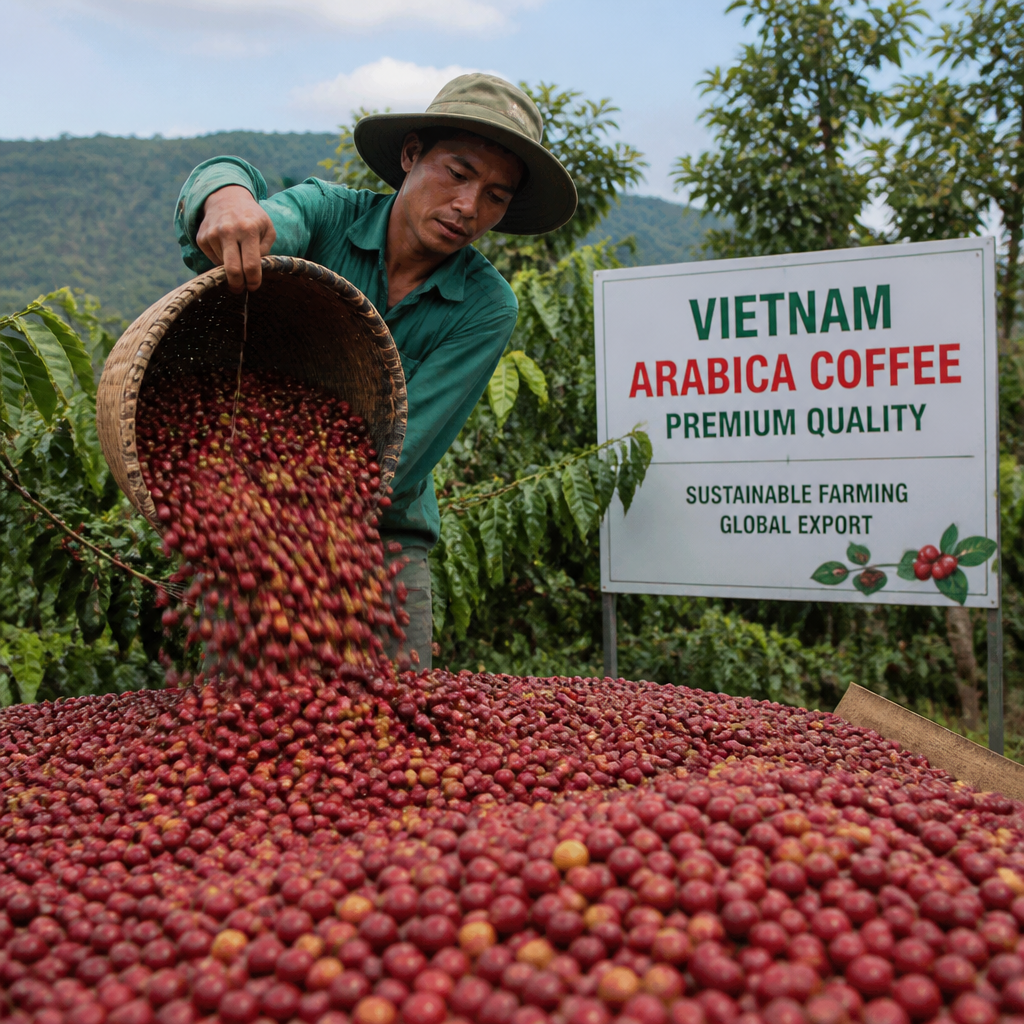
Arabica coffee cultivation in Vietnam faces a unique set of challenges, primarily influenced by the diverse regions and altitudes where it is grown. Vietnam's Arabica coffee is predominantly cultivated in the Central Highlands, particularly in areas like Da Lat and Lam Dong, which are situated at altitudes ranging from 800 to 1,500 meters above sea level. These varying altitudes play a crucial role in shaping the coffee's flavor profile, as higher altitudes generally contribute to a slower bean maturation process, resulting in a more complex and nuanced taste.
However, the influence of altitude is just one aspect of the challenges faced by Vietnamese Arabica coffee growers. The country's climate presents specific hurdles that impact cultivation. Vietnam experiences a tropical monsoon climate characterized by a distinct wet and dry season. This variability in weather conditions can lead to inconsistent yields and affect the quality of the coffee beans. For instance, excessive rainfall during the wet season can cause soil erosion and nutrient leaching, while prolonged dry spells can stress the coffee plants, reducing their productivity.
These climatic challenges necessitate adaptive cultivation techniques to ensure the sustainability and quality of Vietnam's Arabica coffee. Growers must implement strategies that mitigate the adverse effects of climate variability, such as employing effective water management systems and selecting coffee varieties better suited to withstand the local environmental conditions. Addressing these issues is essential for Vietnam to maintain its reputation as a premium Arabica coffee exporter.
Impact of Inadequate Processing Methods
Processing methods are pivotal in shaping the final flavor profile of Arabica coffee in Vietnam. Yet, when these methods are inadequate, they can cause considerable variations in flavor profiles, adversely affecting the coffee's marketability and reputation.
One major issue is the variation in flavor profiles that arises from inconsistent processing techniques. Coffee processed through different methods can exhibit a wide range of flavors, from fruity and bright to earthy and robust. This variability can be problematic for buyers who seek consistent flavor profiles that meet their specific taste preferences. For instance, a batch processed with inadequate fermentation might result in undesirable sour notes, which can be off-putting to consumers expecting a smoother, balanced cup.
The influence of processing methods on taste cannot be overstated. Methods such as washed, natural, and honey processing each impart distinct characteristics to the coffee beans. In Vietnam, where the processing infrastructure might not always meet international standards, the risk of flavor inconsistency is heightened. Washed processing, for example, is known for producing clean and vibrant flavors but requires precise control over fermentation and drying, which can be challenging to achieve consistently without proper facilities.
Furthermore, quality issues due to poor processing are a significant concern. Improper drying techniques can lead to mold and other defects, severely affecting the coffee's quality. Such defects not only reduce the coffee's value but also harm the reputation of Vietnam as a reliable Arabica coffee exporter. Inadequate processing can result in beans that fail to meet the quality expectations of international markets, leading to potential financial losses and a decrease in competitive edge.
"A coffee industry expert noted that inconsistency in processing methods affects not only the flavor but also the overall quality of the coffee, jeopardizing Vietnam's status as a premium Arabica coffee supplier.
Consequences of Inconsistent Grading Standards
The grading system for Vietnam Arabica coffee, which is crucial for determining quality and market value, lacks a standardized framework. This inconsistency in grading standards can lead to significant issues in quality consistency. Unlike other major coffee-producing countries that have well-established grading criteria, Vietnam's system often varies by region and exporter. This fragmented approach can result in coffee batches of varying quality being marketed under the same grade, leading to confusion among buyers.
One of the primary issues arising from inconsistent grading is the variability in quality. When coffee is not graded uniformly, it becomes challenging for buyers to trust the quality they are purchasing. For instance, a batch labeled as "premium" by one exporter might not meet the same standards set by another. This inconsistency can lead to dissatisfaction among international buyers who expect a certain level of quality, impacting the reputation of Vietnam as a reliable Arabica coffee exporter.
The market impact of these inconsistent standards can be profound. In the global coffee market, where competition is fierce, maintaining a consistent quality is essential for building and retaining trust with international buyers. When grading standards are not consistent, it can lead to a loss of confidence in Vietnamese Arabica coffee, potentially resulting in decreased demand and lower prices. This is particularly concerning given the growing interest in specialty coffees, where precise grading is critical.
"Inconsistent grading standards not only affect quality perception but also pose a significant barrier to market competitiveness," notes a report from the International Coffee Organization.
Thus, the lack of a unified grading system represents a significant challenge for Vietnam's Arabica coffee exporters, affecting both the market perception and economic viability of their products. Addressing these inconsistencies is crucial for enhancing Vietnam's position as a premium Arabica coffee supplier in the global market.
Problems in Packaging and Preservation
In the competitive realm of coffee export, especially for a Vietnam Arabica Coffee Exporter, effective packaging techniques are crucial. Proper packaging ensures the quality and freshness of coffee beans from processing to consumption. Conversely, inadequate packaging can significantly degrade the coffee's quality, impacting its aroma, flavor, and market value.
Poor packaging practices can severely impact the freshness of Arabica coffee. Coffee is highly sensitive to environmental factors like oxygen, moisture, and light, which can accelerate the degradation process. When coffee beans are not properly sealed, they are exposed to these elements, leading to oxidation and loss of flavor. This not only diminishes the taste but also reduces the shelf life, making the product less appealing to buyers who prioritize freshness.
Moreover, the challenges extend beyond just packaging. Transport and storage are critical phases where improper handling can exacerbate the issues of preservation. Coffee beans are often transported over long distances and stored in varying conditions before reaching their final destination. During this time, fluctuations in temperature and humidity can further compromise the integrity of the coffee. For instance, if coffee is stored in a humid environment, it can absorb moisture, leading to mold growth and spoilage.
These challenges highlight the necessity for exporters to invest in advanced packaging solutions and efficient storage systems. By doing so, they can ensure that the coffee retains its high quality and meets the expectations of international buyers, ultimately enhancing the reputation and competitiveness of Vietnamese Arabica coffee in the global market.
Buyers' Concerns and Requirements
In the competitive landscape of the global coffee market, international buyers have set forth specific standards and certifications that must be met by exporters, including those dealing with Vietnam Arabica Coffee. Certifications such as Fair Trade, Rainforest Alliance, and Organic are often prerequisites for entering premium markets. These certifications not only ensure ethical sourcing and environmental sustainability but also guarantee that the coffee meets specific quality benchmarks, crucial for buyers who prioritize sustainability and quality.
International buyers have distinct preferences that influence their purchasing decisions. For instance, many buyers from Europe and North America prefer coffee that has a unique flavor profile, often associated with specific altitudes and regions. This preference pushes Vietnamese exporters to focus on high-altitude cultivation areas like the Central Highlands, which are known for producing superior Arabica beans with distinctive taste profiles. Additionally, there is a growing demand for specialty coffee, which requires meticulous processing and grading to meet the expectations of discerning consumers.
The impact of these buyer requirements on the Vietnamese coffee market is significant. As the demand for certified and specialty coffee increases, Vietnamese producers and exporters are compelled to adapt their practices to align with international standards. This shift not only enhances the reputation of Vietnam as a coffee exporter but also opens up new market opportunities, allowing Vietnamese coffee to compete on a global scale. However, this transition requires investment in better processing techniques, certification processes, and quality control measures, which can be challenging for smaller producers.
"Meeting international certifications and standards is not just a necessity for market entry; it's a pathway to elevate Vietnam's position in the global coffee industry."
Improving Cultivation Techniques
For Vietnam Arabica Coffee Exporters, optimizing cultivation techniques is crucial to enhancing the quality and yield of their coffee beans. One of the primary areas of focus is optimizing growing conditions. This involves carefully managing factors such as soil quality, moisture levels, and sunlight exposure. By ensuring that these conditions are ideal, farmers can significantly improve the health and productivity of coffee plants.
Another critical aspect is implementing best practices for high-altitude cultivation. Arabica coffee plants thrive in cooler temperatures typically found at higher altitudes. In Vietnam, regions like Da Lat and the Central Highlands provide these optimal conditions. Farmers in these areas are adopting techniques such as terracing and shade management to maximize the benefits of altitude. These practices not only enhance the flavor profile of the coffee but also contribute to more sustainable farming.
Moreover, adapting to climate challenges is becoming increasingly important. With climate change affecting weather patterns, Vietnamese farmers are facing unpredictable conditions that can impact coffee production. To counter these challenges, innovations such as drought-resistant coffee varieties and improved irrigation systems are being introduced. These adaptations help ensure that coffee production remains stable even in the face of adverse weather conditions.
"Vietnamese coffee farmers are at the forefront of adapting to climate change, employing innovative strategies to maintain high-quality Arabica production."
By focusing on these cultivation improvements, Vietnam Arabica Coffee Exporters can not only maintain but also enhance their reputation as suppliers of premium Arabica coffee, capable of meeting the demands of a global market.
Enhancing Processing and Flavor Profiles
In the competitive arena of coffee production, the role of processing methods cannot be overstated. For Vietnam Arabica Coffee Exporters, leveraging innovative processing methods is essential to elevate the quality of their coffee. These methods not only enhance the flavor profiles but also ensure consistency, which is a critical factor for maintaining a strong foothold in the global market.
One of the key challenges faced by Vietnamese coffee producers is the variation in flavor profiles caused by traditional processing techniques. This inconsistency can deter potential buyers who seek reliability in taste and quality. To address this, producers are increasingly adopting advanced techniques such as the honey process and the wet-hulled method. These techniques have been shown to produce a more uniform flavor, which is crucial for building brand loyalty and meeting international standards.
Ensuring a consistent flavor profile is not merely about the taste; it involves a meticulous balance of science and art. Techniques like controlled fermentation and precise drying times are employed to enhance the natural flavors of Arabica beans. This attention to detail ensures that each batch of coffee meets the expected quality standards, thereby reducing the risk of rejection from discerning international buyers.
Moreover, improving taste and quality through these innovative methods contributes significantly to the premium positioning of Vietnamese Arabica coffee. By focusing on techniques for improving taste and quality, such as selective harvesting and meticulous sorting, producers can highlight the unique characteristics of Vietnamese coffee. This not only enhances the overall coffee experience for consumers but also strengthens the reputation of Vietnam as a reliable exporter of high-quality Arabica coffee.
"The integration of innovative processing methods is not just an option but a necessity for Vietnamese Arabica coffee to thrive in the global market."
Establishing Robust Grading Systems
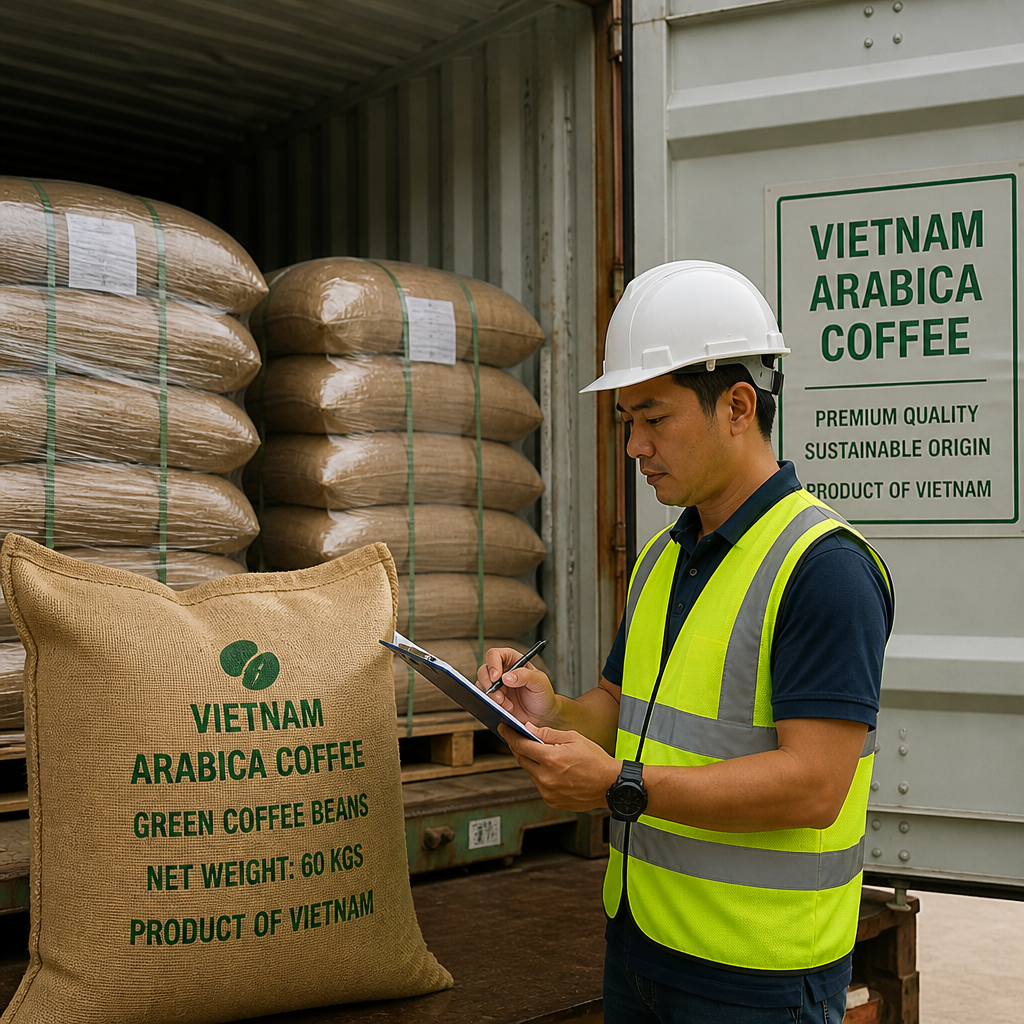
For Vietnam Arabica Coffee Exporters, establishing a robust and standardized grading system is a crucial step towards ensuring quality consistency and enhancing market competitiveness. The implementation of standardized grading practices is not just a procedural formality; it is a strategic move that addresses several critical issues in the coffee supply chain.
Firstly, implementing standardized grading systems helps in maintaining quality consistency. By setting clear and uniform criteria for grading, exporters can ensure that every batch of Arabica coffee meets the expected quality standards. This consistency is vital in building trust with international buyers who expect uniformity in flavor and quality with every purchase.
Moreover, a robust grading system provides significant benefits for market competitiveness. In a market where quality can vary widely, having a reliable grading system positions Vietnamese Arabica coffee as a dependable choice for buyers. This can lead to increased demand and better pricing, as buyers are often willing to pay a premium for products that consistently meet high standards.
"A standardized grading system is a cornerstone for ensuring that Vietnamese Arabica coffee can compete on the global stage, where quality and consistency are non-negotiable."
In conclusion, the establishment of a robust grading system is indispensable for Vietnam Arabica Coffee Exporters. It ensures that they can deliver consistent quality, thereby enhancing their competitiveness in the global market. As Vietnam continues to refine its coffee grading practices, it not only secures a stronger position in the international market but also bolsters the reputation of Vietnamese Arabica coffee as a premium product.
Advanced Packaging Solutions
In the competitive world of coffee exportation, ensuring the freshness and quality of Arabica coffee is paramount. This is where innovative packaging technologies come into play. Companies like the Vietnam Arabica Coffee Exporter are leveraging cutting-edge solutions to address the challenges of preserving coffee quality from farm to cup.
One of the forefront technologies being utilized is vacuum packaging. This method removes air from the packaging before sealing, significantly slowing down the oxidation process, which is a primary cause of flavor degradation. By doing so, it helps in maintaining the coffee’s rich aroma and taste over extended periods.
Another strategy involves the use of hermetically sealed bags with one-way degassing valves. These valves allow gases emitted by freshly roasted coffee to escape without letting air in, thus preserving freshness. This technology is crucial for maintaining the coffee's integrity during long shipping times.
- ✅ Vacuum Packaging: Reduces oxidation, preserves flavor.
- ✅ Hermetic Sealing: Maintains freshness with one-way valves.
Efficient transport and storage solutions are also critical. The use of insulated containers during shipping helps to regulate temperature fluctuations that could otherwise affect the coffee’s quality. Furthermore, the integration of humidity control measures ensures that the coffee beans remain dry, preventing mold and other quality-compromising issues.
"Innovative packaging not only extends shelf life but also enhances the overall customer experience by delivering coffee as fresh as the day it was packed."
By adopting these advanced packaging solutions, Vietnam Arabica Coffee Exporter not only ensures the premium quality of their coffee but also strengthens their position in the global market, meeting the high standards expected by international buyers.
Meeting Buyer Standards and Preferences
In the competitive world of coffee exports, Vietnam Arabica Coffee Exporter has made significant strides in meeting the stringent demands of international buyers. A key factor in this success is the achievement of necessary certifications, which serve as a testament to the quality and safety of the products. For instance, obtaining certifications like Fair Trade, Rainforest Alliance, and Organic not only opens doors to new markets but also reassures buyers of the ethical and environmental standards adhered to during production.
Aligning with international standards is another crucial element. By adhering to globally recognized benchmarks such as ISO 9001 for quality management and ISO 22000 for food safety, Vietnam's Arabica coffee producers ensure that their products meet the expectations of discerning consumers worldwide. These standards are not mere formalities; they represent a commitment to quality that can significantly enhance the product's appeal in global markets.
Furthermore, enhancing the reputation in global markets is a strategic move that Vietnam Arabica Coffee Exporter has embraced wholeheartedly. By consistently delivering high-quality coffee that aligns with international preferences, these exporters are not only improving their market position but also establishing Vietnam as a reliable source of premium Arabica coffee. This reputation is further bolstered by participation in international coffee expos and competitions, where Vietnamese coffee is showcased and recognized for its excellence.
"Achieving certifications and aligning with international standards are not just about compliance; they are about building trust and credibility in a competitive market."
In conclusion, by focusing on certifications, standards, and reputation, Vietnam Arabica Coffee Exporter is well-positioned to meet and exceed buyer expectations, ensuring a strong foothold in the global coffee industry.