Vietnam Adzuki Bean Exporter offers premium quality adzuki beans, ensuring compliance with international standards for size, color, and purity to meet the growing global demand.
Adzuki beans, celebrated for their small size and distinctive red color, have been a staple in Asian culinary traditions for centuries. Originating from East Asia, these beans have made their way into global markets, becoming a significant export product from Vietnam. They are cherished not only for their unique taste and nutritional benefits but also for their adaptability in various dishes worldwide. The quality of adzuki beans is predominantly assessed based on two critical parameters: size and color. Uniformity in these aspects is crucial, as it directly influences their desirability and market value.
Maintaining the quality of adzuki beans requires careful sorting and packaging processes. Sorting ensures that only beans of the desired size and color reach the market, thereby enhancing consumer appeal. Meanwhile, packaging is crucial for preserving freshness and preventing contamination during transportation. This is especially important given the beans' long journey across international borders, where they must endure various environmental conditions.
Adzuki beans have a broad global distribution, with key markets in Japan, China, and South Korea, where they are essential in traditional dishes. Beyond these areas, they are increasingly used in health foods and innovative culinary applications in Western markets. This expanding global presence highlights the need for maintaining high-quality standards, which directly affects Vietnam's reputation as a leading exporter. By meeting international quality parameters, Vietnam can continue to bolster its position in the global market, addressing the growing demand for this versatile legume.
Challenges in Meeting International Standards
As a prominent Vietnam Adzuki Bean Exporter, ensuring that products meet international standards is a multifaceted challenge. One of the primary issues faced by exporters is achieving uniformity in size and color. International buyers often demand consistency to ensure that their products meet consumer expectations and maintain brand reputation. Discrepancies in size and color can lead to rejection of shipments or reduced prices, impacting the profitability of exporters.
Another critical aspect is ensuring moisture content and purity. The moisture content of adzuki beans must be carefully controlled to prevent spoilage during transport and storage. Excessive moisture can lead to mold growth, which not only damages the product but also poses health risks. Purity, on the other hand, involves removing foreign materials and ensuring that the beans are free from contaminants. This requires advanced sorting technologies and meticulous quality control processes.
Compliance with export regulations is equally crucial. Different countries have varying regulations concerning agricultural imports, which can include pesticide residue limits, phytosanitary certificates, and quality grades. Exporters must stay updated with these regulations to avoid costly delays or rejections at international borders. For instance, the European Union has strict rules on pesticide residues, meaning exporters must ensure their products meet these stringent requirements.
Addressing these challenges requires a comprehensive approach that includes investment in technology, adherence to international quality standards, and regular training for staff involved in the sorting and packaging processes. By overcoming these hurdles, Vietnamese exporters can enhance their competitiveness in the global market, ensuring that their adzuki beans meet the expectations of international buyers.
Potential Benefits of Improved Quality Standards
Enhancing the quality standards of adzuki beans presents a multitude of benefits for Vietnam Adzuki Bean Exporters. A primary advantage is the enhanced marketability of these beans. High-quality beans that meet international standards in terms of size, color, and purity are more appealing to global buyers who are increasingly discerning about product quality. This appeal not only allows exporters to command premium prices but also positions them as competitive players in the global market.
Additionally, there is a notable increase in consumer trust. When consumers are confident in the consistent quality of a product, their trust grows. This is particularly important in markets like Japan and South Korea, where adzuki beans are key ingredients in traditional dishes. Consistent quality assurance fosters repeat purchases and brand loyalty, which are essential for maintaining long-term business relationships.
Moreover, adhering to improved quality standards facilitates broader international market access. Meeting stringent international regulations and quality benchmarks opens doors to new markets that were previously inaccessible. For instance, the European Union has strict import regulations concerning agricultural products. By complying with these standards, Vietnam Adzuki Bean Exporters can tap into these lucrative markets, potentially increasing their market share significantly.
"Vietnam's commitment to enhancing adzuki bean quality standards is a strategic move that not only boosts marketability but also fortifies consumer trust and expands global market access."
In summary, by adopting and maintaining improved quality standards, Vietnam Adzuki Bean Exporters can enhance their marketability, build stronger consumer trust, and access broader international markets, thereby securing a more robust position in the global agricultural landscape.
Innovative Sorting and Packaging Techniques
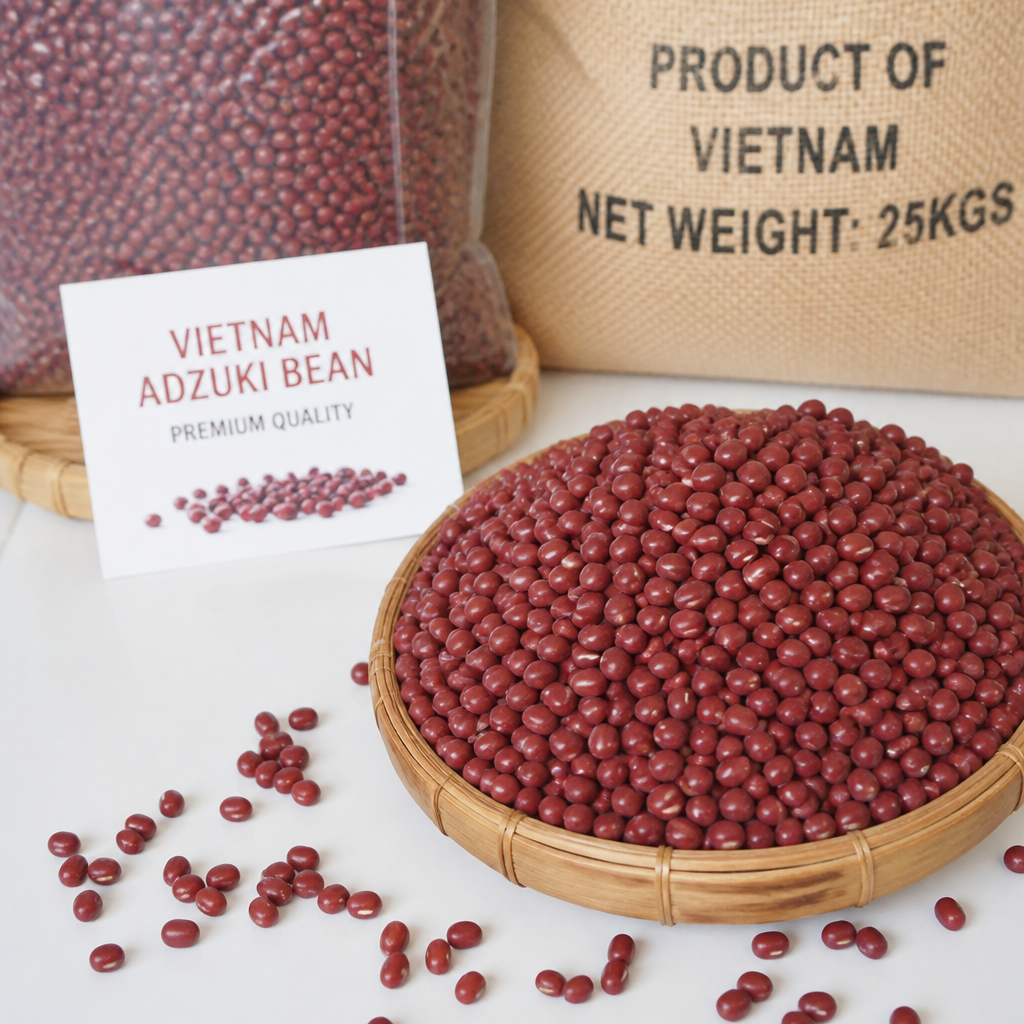
In the competitive landscape of adzuki bean exportation, maintaining superior quality while ensuring efficient distribution is pivotal. One of the key advancements in this domain is the use of advanced sorting methods that effectively remove impurities. These methods employ cutting-edge technologies such as optical sorters and laser scanners, which can detect and eliminate foreign materials, ensuring that only the finest beans make it to the market. This level of precision not only enhances the quality but also boosts the reputation of Vietnam Adzuki Bean Exporters as reliable suppliers.
Equally important is the implementation of packaging solutions designed to maintain the freshness of the beans. Adzuki beans are susceptible to moisture and environmental factors that can affect their quality over time. Therefore, packaging plays a crucial role in preserving their integrity. Modern packaging solutions often involve vacuum sealing or the use of modified atmosphere packaging, which reduces oxygen levels and prolongs shelf life. This innovation is essential for maintaining the beans' freshness during long-haul shipments, ensuring that they reach international markets in prime condition.
- 💡 Bags and Bulk Containers: The choice between using bags or bulk containers is dictated by the scale of distribution and the specific requirements of the buyers. For smaller shipments, high-quality, moisture-proof bags are preferred, offering convenience and protection. In contrast, bulk containers are more suitable for larger quantities, providing an economical and efficient solution for transporting substantial volumes of beans across borders.
These innovative techniques bridge the gap between traditional methods and modern demands, enhancing the quality and reliability of adzuki beans exported from Vietnam. By adopting these advanced sorting and packaging methods, exporters are not only meeting international standards but also setting new benchmarks in the global market.
Expanding Food Applications for Adzuki Beans
The culinary versatility of adzuki beans is steadily gaining recognition, both in traditional and modern contexts. These beans have long been a staple in Asian cuisine, particularly in Vietnam, where they are commonly used in traditional sweets such as chè đậu đỏ and various soups. These traditional dishes highlight the beans' natural sweetness and nutritional benefits, making them a beloved ingredient in local diets.
Beyond their traditional uses, adzuki beans are experiencing a surge in popularity in the health food markets. This growth is driven by an increasing consumer demand for natural and nutritious food options. Adzuki beans are rich in protein, fiber, and essential nutrients, making them an attractive choice for health-conscious consumers. As a result, they are being incorporated into a variety of health foods, ranging from protein bars to plant-based snacks. This trend is not only expanding the market for adzuki beans but also elevating their status as a superfood.
Looking forward, there is immense potential for new culinary applications of adzuki beans. Chefs and food innovators are creatively integrating these beans into various cuisines. For example, adzuki beans are being utilized in flour form to produce gluten-free baked goods, providing a nutritious alternative to traditional wheat-based products. Furthermore, their subtle sweetness and creamy texture make them an ideal base for dairy-free desserts and smoothies.
The Vietnam Adzuki Bean Exporter is poised to capitalize on these expanding applications. By focusing on the quality and diversity of their bean offerings, they can meet the growing global demand and introduce adzuki beans to new culinary landscapes. This strategic expansion not only promises economic benefits but also enhances the cultural appreciation of adzuki beans worldwide.
Strategies for Enhancing International Supply
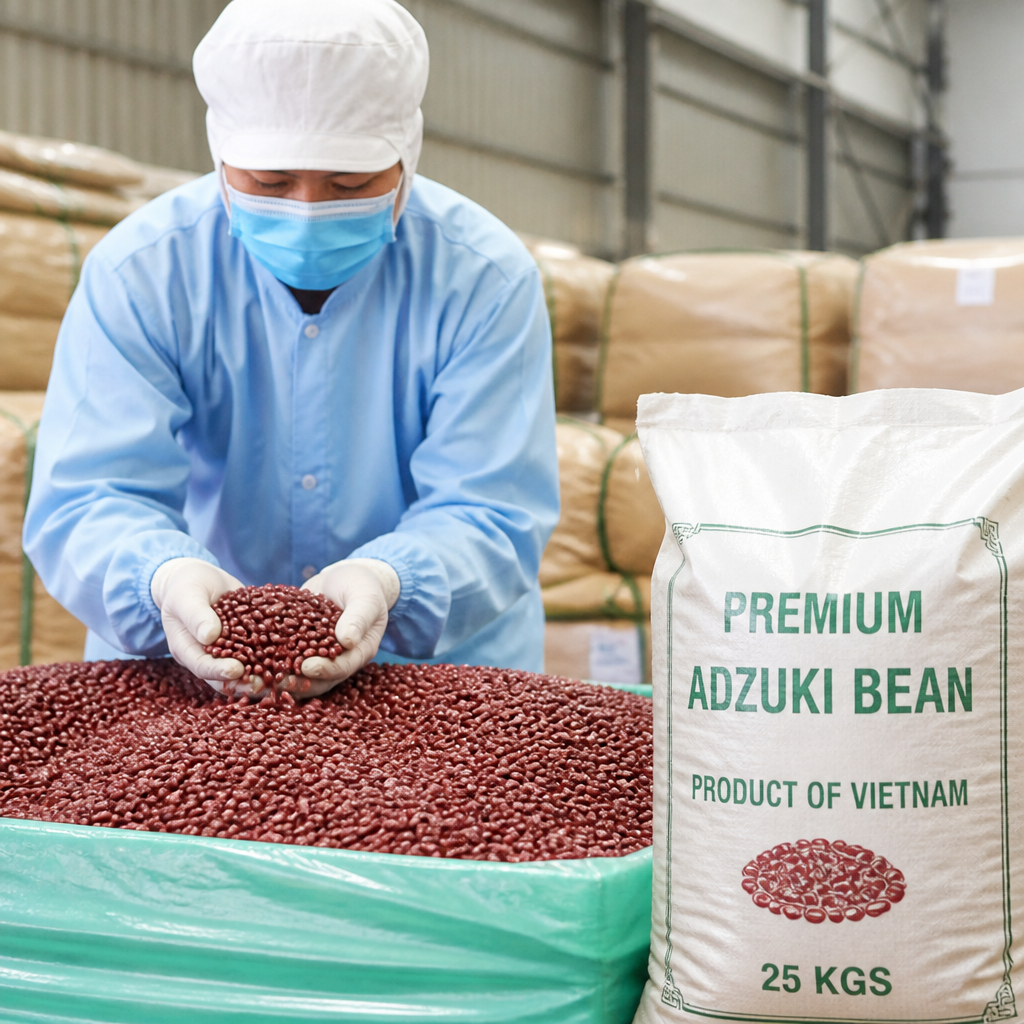
To effectively enhance the international supply of adzuki beans, Vietnam Adzuki Bean Exporter needs to focus on several key strategies. These strategies are essential for maintaining competitiveness and meeting the expectations of global markets.
- Focus on Quality Compliance: Quality compliance is at the core of establishing a reliable international supply chain. By adhering to strict quality standards, exporters can ensure that their products meet the expectations of international buyers. This involves maintaining uniformity in size and color, as well as ensuring the moisture content and purity of the beans. For instance, employing advanced sorting technologies can help remove impurities, thereby enhancing the overall quality of the adzuki beans.
- Building Relationships with International Buyers: Establishing and nurturing relationships with international buyers is crucial for expanding market reach. This can be achieved by participating in international trade fairs and exhibitions, which provide an opportunity to showcase product quality and build trust with potential buyers. Additionally, maintaining transparent communication and understanding the specific needs of different markets can lead to long-term partnerships and repeat business.
- Adapting to Global Market Demands: The global market for adzuki beans is continually evolving, with increasing demand for health food products and diverse culinary applications. Exporters need to stay informed about these trends and adapt their product offerings accordingly. This could involve developing new packaging solutions that cater to specific consumer preferences or exploring innovative uses of adzuki beans in different cuisines. By aligning product offerings with market demands, exporters can enhance their competitiveness and appeal to a broader audience.
By focusing on these strategies, Vietnam Adzuki Bean Exporter can strengthen its position as a premium supplier in the international market, ensuring sustainable growth and increased market share.
Role of Vietnamese Exporters in the Global Market
Vietnamese exporters have increasingly become significant players in the global adzuki bean market. However, one of the current limitations is the lack of detailed information about these exporters. This gap in data can hinder the ability of international buyers to make informed decisions and potentially limit the growth opportunities for Vietnamese suppliers. Comprehensive exporter profiles, including company size, export volume, and market reach, are crucial for building trust and fostering business relationships globally.
Despite these limitations, the general strategies employed by Vietnamese exporters have been instrumental in establishing their presence in the international market. These strategies often include a strong focus on maintaining quality standards, which is essential for meeting the demands of discerning international buyers. By ensuring that their products comply with global quality parameters, such as size uniformity and moisture content, Vietnamese exporters can enhance their marketability and consumer trust.
Furthermore, Vietnamese exporters are recognized for their adaptability to evolving market demands. They actively cultivate relationships with international buyers, a crucial component of their export strategies. This proactive approach aids in understanding market trends and tailoring their offerings to meet specific buyer needs.
However, there is a need for further research on specific exporters to understand their individual contributions and challenges in the global market. Detailed studies could provide insights into their operational efficiencies, innovative practices, and potential areas for improvement. Such research would be invaluable for policymakers and industry stakeholders aiming to support and enhance the competitiveness of Vietnamese exporters.
"Vietnam's export strategy focuses on quality and adaptability, but detailed exporter profiles are needed to unlock further growth potential."
In conclusion, while Vietnamese exporters have made significant strides in the global adzuki bean market, addressing the current limitations in detailed exporter information and conducting further research are crucial steps towards maximizing their global impact.